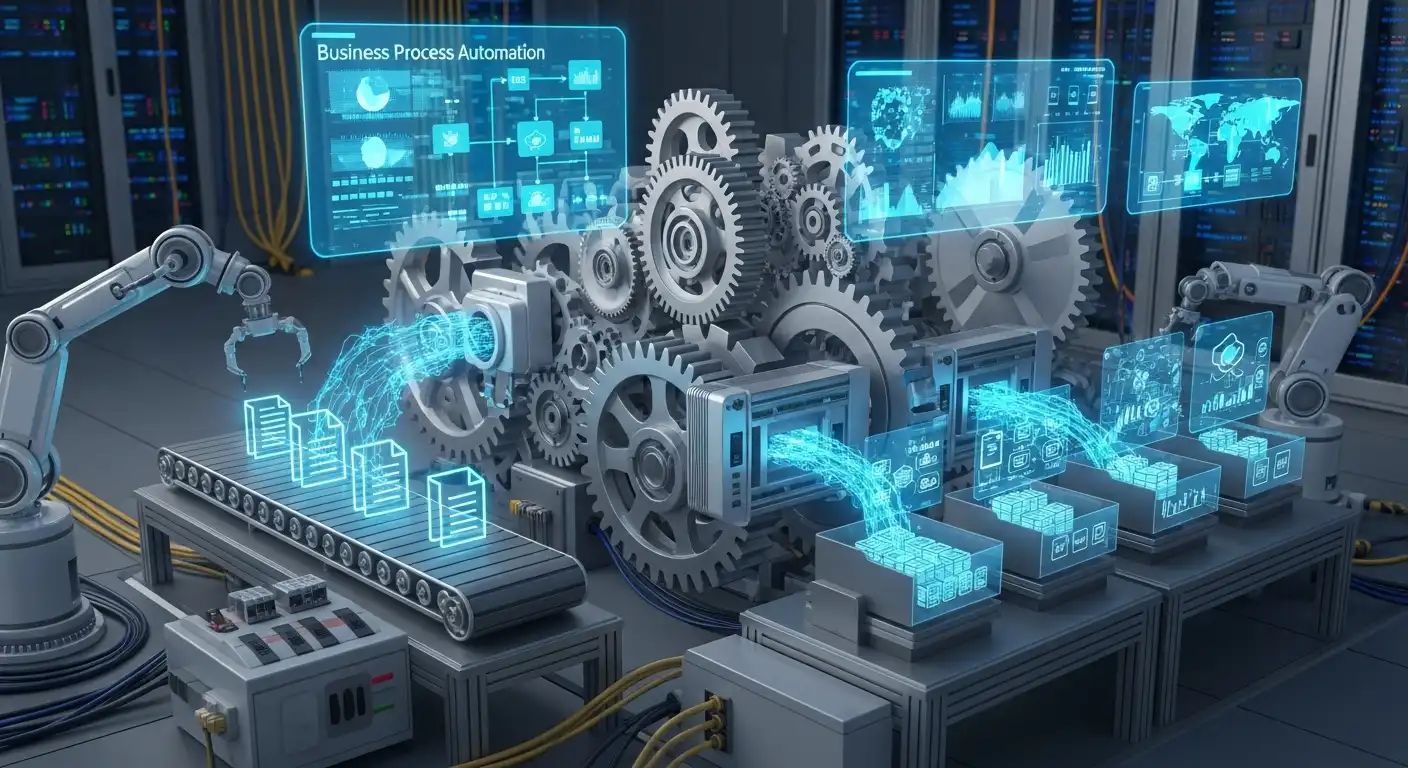
The fear that robots and AI will take all our jobs is a common one. However, the more immediate and likely reality is that AI and automation will work alongside humans, making them dramatically more productive. This wave of AI-powered tools is creating a potential productivity boom, and the companies providing these solutions are at the center of a major investment trend.
The Rise of the ‘Co-pilot’
The most visible form of this trend is the AI “co-pilot.” These are AI assistants embedded directly into the software that knowledge workers use every day. Microsoft’s (MSFT) Copilot for 365 can draft emails, summarize long documents, and create presentations from a simple prompt. GitHub Copilot (also from Microsoft) helps software developers write code faster. These tools don’t replace the worker; they augment their abilities.
Automating Repetitive Tasks
In many jobs, a significant amount of time is spent on repetitive, manual tasks like data entry, scheduling, or filling out forms. Robotic Process Automation (RPA) software from companies like UiPath (PATH) can automate these mundane tasks. This frees up employees to focus on more creative, strategic, and high-value work, leading to both higher productivity and better job satisfaction.
A New Enterprise Software Upgrade Cycle
This new wave of AI functionality is driving a major upgrade cycle in enterprise software. Businesses are willing to pay a premium for AI-enabled versions of the software they already use because the return on investment from increased productivity is so clear. This is a major tailwind for software giants like Microsoft, Adobe (ADBE), and Salesforce (CRM), who are all racing to embed generative AI into their entire product suites.
The Impact on the Labor Market
While these tools will boost productivity for many, they will also cause disruption. Jobs that consist primarily of repetitive, information-based tasks are at the highest risk of being automated. This will require a shift in the workforce, with a greater emphasis on skills that AI cannot easily replicate, such as critical thinking, complex problem-solving, and emotional intelligence.
Investing in the Productivity Boom
The most direct way to invest in this trend is through the large software companies that are successfully integrating AI into their platforms. Microsoft is the clear leader here. Another angle is to invest in the specialized automation players like UiPath. Finally, the “picks and shovels” play applies here too: all of this automation runs on powerful servers in the cloud, benefiting the cloud providers and chip companies.
Conclusion
AI and automation are not just about futuristic robots; they are about practical tools that are making workers more efficient right now. This is creating a powerful productivity boom that will be a major driver of economic growth. For investors, the companies that are enabling this transformation represent one of the most compelling and tangible ways to invest in the AI revolution.