

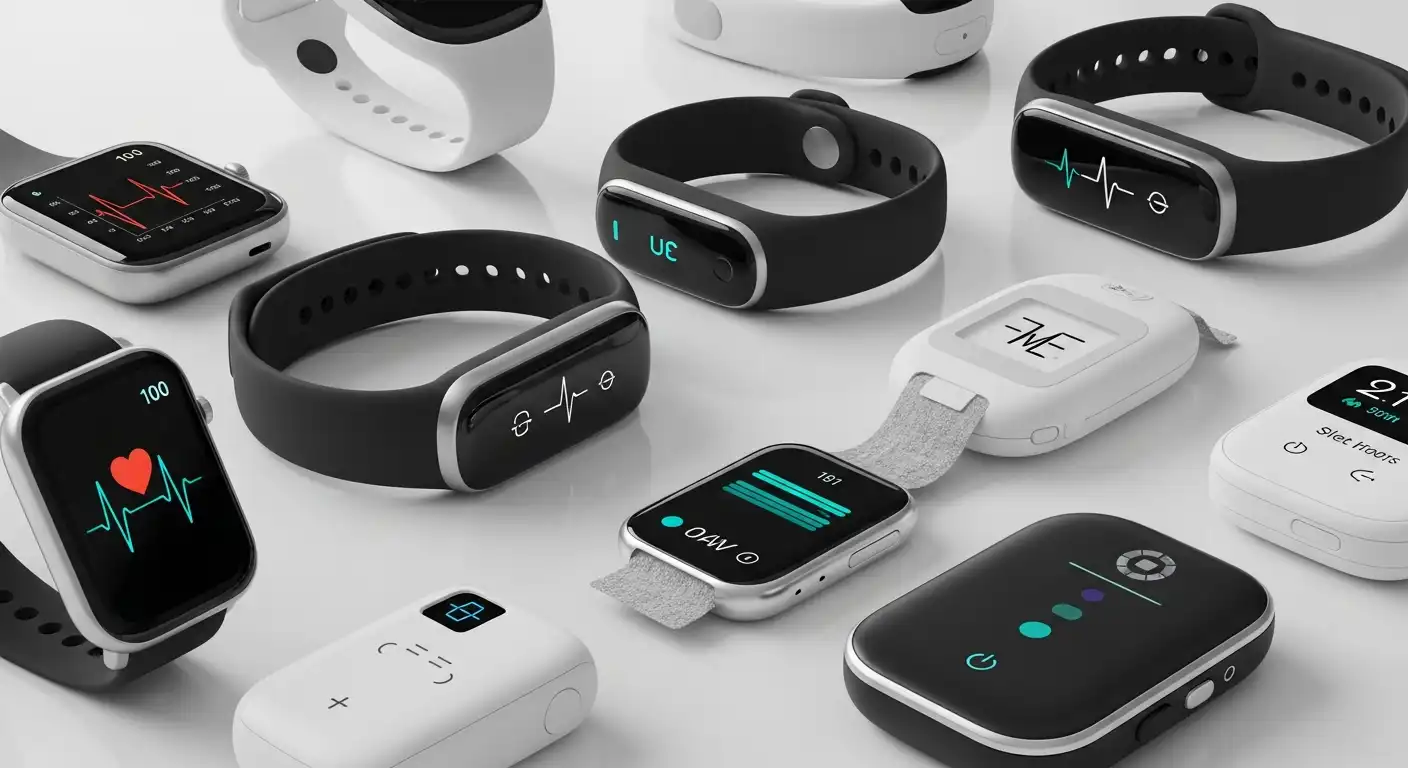
In the relentless pursuit of peak human potential, we have always sought tools to measure, understand, and improve ourselves. From the simple stopwatch to the complex physiology lab, the quest to quantify our capabilities has been a constant. Today, we stand at the precipice of a revolution —a paradigm shift driven not by large, stationary equipment but by tiny, intelligent devices that live on our bodies. This is the era of smart wearables—a fusion of advanced sensor technology, data analytics, and human biology that is fundamentally changing how we approach health, wellness, and performance.
These devices are more than just glorified pedometers or digital watches. They are 24/7 personal laboratories, silently collecting a torrent of biometric data that was once the exclusive domain of elite athletes and medical researchers. They monitor our heartbeats, sleep cycles, stress levels, and movement patterns with astonishing precision. This constant stream of information provides an unprecedented, high-resolution view into the inner workings of our bodies. But the true power of smart wearables lies not just in monitoring, but in enhancing. By translating raw data into actionable insights, they empower us to train smarter, recover faster, sleep deeper, manage stress more effectively, and ultimately, unlock a level of performance we never thought possible.
This comprehensive guide will delve into the multifaceted world of smart wearables for human performance. We will explore their evolution, dissect the technology that powers them, and examine their profound impact across various domains—from the Olympic track to the corporate office. We will also look ahead to the future, uncovering the next wave of innovations, while critically assessing the challenges and ethical considerations that accompany this powerful technology. Whether you are an elite athlete, a weekend warrior, a biohacker, or simply someone curious about optimizing your life, this article will serve as your definitive resource for understanding how smart wearables are unlocking the next frontier of human potential.
The Evolution of Performance Monitoring: From Clipboard to Cloud
The concept of monitoring human performance is not new. For centuries, coaches, physicians, and individuals have used various methods to track progress and health. However, the evolution of these methods highlights the revolutionary leap that smart wearables represent. Understanding this history provides crucial context for appreciating the significance of the technology we have today.
The Analog Era: Stopwatch and Subjectivity
Before the digital age, performance monitoring was labor-intensive and often imprecise. It was an era defined by manual tools and subjective feedback, a stark contrast to the data-rich environment we now inhabit.
The primary tools of this era were simple yet effective for their time. Here are some of the cornerstones of analog performance tracking:
- The Stopwatch: The quintessential tool for athletes, allowing coaches to measure speed, splits, and duration. It provided objective data on time but offered no insight into the physiological effort required to achieve that time.
- The Coach’s Eye: A coach’s experienced observation was paramount. They would analyze form, technique, and perceived effort, offering qualitative feedback that was critical for improvement but inherently subjective and prone to bias.
- Logbooks and Journals: Athletes and individuals meticulously recorded their workouts, meals, and feelings. These journals were invaluable for tracking long-term progress but relied on self-reported data, which could be inconsistent or inaccurate.
- Basic Medical Equipment: Tools like the stethoscope, used to listen to heart rate recovery, and the blood pressure cuff provide snapshots of physiological state, but only at specific, isolated moments, usually in a clinical or resting setting.
This era was characterized by data scarcity. Decisions were made based on a combination of limited objective numbers and a great deal of intuition and experience. The “why” behind a good or bad performance was often a matter of educated guesswork rather than data-driven analysis.
The Digital Dawn: The First Heart Rate Monitors and Pedometers
The late 20th century ushered in the first wave of digital consumer devices aimed at performance monitoring. This marked a significant shift from purely external observation to the capture of internal physiological data, laying the groundwork for the wearable revolution.
Two key innovations defined this period and brought biometrics to the masses. Let’s explore these foundational technologies:
- The Chest-Strap Heart Rate Monitor: Pioneered by companies like Polar in the 1980s, the chest strap was a game-changer. For the first time, athletes could get continuous, real-time heart rate readings during exercise. This allowed for the concept of “training in zones,” a more scientific approach to cardiovascular conditioning. However, these devices were often bulky, required a separate display, and were primarily used during dedicated exercise sessions.
- The Electronic Pedometer: These simple clip-on devices use a mechanical pendulum or accelerometer to count steps. They introduced the public to the idea of a daily activity target, famously popularizing the “10,000 steps a day” goal. While rudimentary, they were instrumental in shifting the focus from episodic exercise to a more holistic view of daily movement and activity.
These early digital devices were a major step forward, but they operated in silos. The data they collected was often trapped on the device itself or required manual logging. There was no ecosystem, no cloud, and no sophisticated software to analyze trends or provide personalized insights. They provided the “what” (heart rate, step count) but still lacked the deeper “so what?”
The Smart Revolution: Connectivity, Miniaturization, and AI
The true revolution began in the late 2000s and early 2010s, driven by a convergence of several key technological advancements. This perfect storm transformed niche gadgets into the powerful, mainstream smart-wearable ecosystem we see today.
A holistic, data-centric approach to performance defines this new era. Here are the key drivers of this transformation:
- Miniaturization of Sensors: Technologies developed for smartphones—such as accelerometers, gyroscopes, and GPS chips—became smaller, cheaper, and more power-efficient, enabling integration into small, comfortable form factors like watches and rings.
- The Smartphone and Bluetooth Connectivity: The ubiquity of the smartphone provided the perfect “hub” for wearables. Bluetooth Low Energy (BLE) enabled seamless, low-power data synchronization between the wearable and a powerful computing device in our pockets. The smartphone app became the dashboard for our personal data.
- Cloud Computing and Big Data: Wearables generate an enormous amount of data. Cloud computing provides the infrastructure to store, process, and analyze this data on a massive scale. This allows companies to develop sophisticated algorithms by learning from millions of users’ anonymized data.
- Artificial Intelligence (AI) and Machine Learning (ML): These are perhaps the most critical elements. AI and ML algorithms are the “brains” of the operation. They turn raw sensor readings (e.g., fluctuations in blood flow and subtle movements) into meaningful metrics such as sleep stages, stress levels, and recovery scores. They learn an individual’s baseline and can provide personalized, predictive insights.
This convergence has taken us from isolated data points to a continuous, interconnected stream of personal health information. The journey from the stopwatch to the smart ring is not just an evolution of technology; it’s an evolution in our fundamental ability to understand and interact with our own biology.
Anatomy of a Smart Wearable: The Technology Powering Performance
To truly appreciate how smart wearables monitor and enhance performance, we must look under the hood. These devices are marvels of engineering, packing a suite of sophisticated sensors into a compact form factor. Each sensor is a specialized tool designed to capture a different piece of the human performance puzzle.
The Motion Sensors: Capturing Every Move
At the core of nearly every wearable is motion-sensing technology, which translates your physical movements into digital data. These sensors are the foundation for tracking everything from basic steps to complex athletic gestures.
The two primary motion sensors work in tandem to provide a complete picture of movement. Here’s how they function:
- Accelerometer: This sensor measures linear acceleration—the rate of change in velocity—along three axes (X, Y, and Z). It’s the key to step counting, as it can detect the rhythmic jolts of walking and running. It also helps detect falls, determine activity intensity (walking vs. running), and even analyze sleep by tracking periods of stillness and restlessness.
- Gyroscope: While the accelerometer tracks linear movement, the gyroscope measures angular velocity—rotation —along three axes. It detects tilting, turning, and twisting. When combined with an accelerometer (often called an Inertial Measurement Unit, or IMU), it allows the device to understand its orientation in space. This is crucial for more advanced tracking, such as identifying specific exercises (e.g., a bicep curl), analyzing a golf swing or tennis serve, and providing more accurate calorie-burning estimates by understanding the type of activity being performed.
The Optical Heart Rate Sensor (PPG): The Window to Your Cardiovascular System
The flashing green lights on the back of your Smartwatch are the most recognizable piece of wearable tech. This is the Photoplethysmography (PPG) sensor, the workhorse for a vast array of cardiovascular metrics central to performance.
PPG technology works on a simple but brilliant principle. Let’s break down its function and the data it provides:
- How it Works: The LEDs emit green light into your wrist. Blood is red because it reflects red light and absorbs green light. With each heartbeat, the volume of blood in the capillaries of your wrist increases, absorbing more green light. Between beats, the volume decreases, absorbing less. The sensor on the wearable measures the amount of light that is reflected. By analyzing these fluctuations in reflected light, the device can calculate the rate at which your heart is beating.
- Metrics Derived from PPG:
- Heart Rate (HR): The most basic metric, measured in beats per minute (BPM). It’s a fundamental indicator of exercise intensity and cardiovascular fitness.
- Heart Rate Variability (HRV): This is one of the most powerful performance metrics available. HRV measures the precise timing variation between heartbeats. A high HRV is generally a sign of a well-rested, recovered, and resilient autonomic nervous system, ready to take on stress (like a hard workout). A low or declining HRV can indicate fatigue, illness, stress, or overtraining. Many wearables use overnight HRV as a key input for “readiness” or “recovery” scores.
- Resting Heart Rate (RHR): Your heart rate when you are completely at rest. A lower RHR is a strong indicator of improved cardiovascular fitness over time. A sudden spike in your RHR can be an early sign of illness or over-fatigue.
- Respiratory Rate: The sophisticated algorithms can also detect subtle changes in your HRV that correlate with your breathing pattern, allowing the device to estimate your breaths per minute.
The Electrical Sensors: ECG and EDA
Beyond optical sensors, some advanced wearables incorporate electrical sensors that can measure the body’s own electrical signals, providing clinical-grade data and insights into the nervous system.
These sensors provide a deeper, more direct measurement of bodily functions. Here are the most prominent examples:
- Electrocardiogram (ECG or EKG): While PPG estimates heart rate from blood flow, an ECG measures the actual electrical signals generated by the heart as it contracts. To take a reading, the user typically has to touch a specific part of the device (such as the digital crown on a watch) with a finger from the other hand, creating a closed electrical circuit across their body. This allows the device to detect potential irregularities in heart rhythm, such as Atrial Fibrillation (AFib), a serious medical condition. For performance, a clean ECG signal can provide an even more accurate HRV reading than PPG.
- Electrodermal Activity (EDA): Previously known as Galvanic Skin Response (GSR), EDA sensors measure minute changes in the electrical conductivity of your skin. These changes are directly linked to the sweat produced by your eccrine glands, which are controlled by the sympathetic branch of your autonomic nervous system—the system responsible for the “fight-or-flight” response. By tracking EDA, wearables can provide a direct, objective measurement of your body’s stress response. This is used in features like guided meditation and stress management tools to help you see in real time how your body reacts to relaxation techniques.
Environmental and Location Sensors
Human performance is not just about what happens inside our bodies; it’s also about how we interact with our environment. A suite of other sensors helps to contextualize our activity and provide richer data.
These sensors add critical layers of information for a comprehensive performance analysis. Consider the following:
- Global Positioning System (GPS): A GPS chip communicates with satellites to pinpoint your exact location, speed, and distance traveled. This is essential for outdoor athletes like runners, cyclists, and hikers, as it provides accurate mapping, pace tracking, and route analysis.
- Altimeter: This sensor measures altitude using either barometric pressure (which changes with altitude) or GPS data. It’s crucial for tracking elevation gain and loss during activities like trail running, skiing, or climbing, giving a more accurate picture of the workout’s difficulty.
- SpO2 Sensor (Pulse Oximeter): This sensor typically uses red and infrared light to measure your blood oxygen saturation. SpO2 is a key indicator of respiratory and circulatory health. For performance, it’s particularly relevant for athletes training at high altitudes, where oxygen levels are lower. It can also be a marker of sleep-related breathing disturbances, such as sleep apnea, which can severely impact recovery.
- Skin Temperature Sensor: By tracking subtle changes in skin temperature, particularly overnight, wearables can provide insights into recovery and potential illness (as the body fights infection) and, for females, can be a key component in tracking the menstrual cycle.
Together, this symphony of sensors collects a vast and varied dataset. But collecting the data is only the first step. The true magic happens when sophisticated algorithms process this raw information to create the insights that help us perform better.
Key Applications in Enhancing Human Performance
The true value of smart wearables is realized in their application. By translating complex biometric data into actionable feedback, these devices are revolutionizing performance enhancement across a wide spectrum of human endeavors. From the stadium to the sleep lab, their impact is both broad and deep.
Elite Sports and Athletics: The Data-Driven Athlete
Nowhere is the impact of wearables more visible than in the world of sports. What was once based on intuition and feel is now heavily supplemented by objective data, allowing athletes and coaches to fine-tune every aspect of performance.
Wearables provide a granular view of an athlete’s physical state. Here are the core areas of impact:
- Training Load Management: One of the most critical challenges in athletics is balancing training stress with recovery to maximize adaptation without causing injury or burnout. Wearables provide objective measures of training load by tracking metrics such as heart rate zones, duration, and intensity. Algorithms can then calculate a “training impulse” (TRIMP) or a “strain score” to quantify the physiological cost of each workout. This allows coaches to precisely titrate the training dose for each athlete, ensuring they are pushing hard enough to improve without breaking down.
- Recovery Optimization: Performance gains are not made during training, but during the recovery that follows. Wearables have transformed recovery from a passive process into an active, data-informed strategy. By tracking overnight Heart Rate Variability (HRV), Resting Heart Rate (RHR), and sleep quality, devices generate a daily “readiness” or “recovery” score. An athlete waking up with a high score and good HRV knows their body is primed for a hard session. A low score signals that a lighter day or active recovery is a smarter choice, helping to prevent overtraining syndrome.
- Technique and Biomechanical Analysis: The integration of advanced IMUs (accelerometers and gyroscopes) allows for detailed analysis of movement. For runners, wearables can track metrics like cadence (steps per minute), ground contact time, and vertical oscillation. This data helps them improve their running economy and reduce injury risk. For swimmers, specialized devices can count laps and strokes and identify stroke type. In sports like golf or baseball, sensors embedded in equipment can analyze swing speed and path.
- In-Game Performance Monitoring: In team sports, GPS-enabled wearables (often worn in vests under the jersey) track player movements on the field. Coaches can see in real time how far a player has run, their top speed, and the number of high-intensity sprints they’ve completed. This data is invaluable for managing player fatigue, making strategic substitutions, and ensuring players meet the physical demands of their positions.
Everyday Health and Wellness: Democratizing Personal Health
Perhaps the most significant impact of smart wearables is their role in bringing health monitoring out of the clinic and into the daily lives of ordinary people. They empower individuals to take a proactive role in managing their well-being.
These devices act as a personal health companion, offering insights into key pillars of wellness. Let’s look at the most important functions:
- Sleep Tracking and Optimization: Sleep is the foundation of cognitive and physical performance. Wearables have moved beyond simply tracking sleep duration. Using a combination of heart rate, HRV, motion, and breathing rate, they can provide a detailed breakdown of your sleep architecture, including the time spent in Light, Deep, and REM sleep stages. This allows you to understand the quality and restorative power of your sleep. Armed with this data, you can experiment with habits (like caffeine intake, meal timing, and evening screen time) and see their direct impact on your sleep quality, leading to better energy, mood, and recovery.
- Stress Management and Mental Resilience: The modern world is filled with stressors that can degrade performance and well-being. Wearables with EDA sensors provide an objective measure of the body’s physiological stress response. When the device detects a spike in stress, it can prompt the user to engage in a guided breathing exercise or a short meditation. Seeing their heart rate and EDA responses change in real time on the app, users receive direct biofeedback, helping them learn to regulate their nervous system consciously. Over time, this can build greater mental resilience and a lower baseline stress level.
- Movement and Activity Motivation: At a basic level, wearables combat a sedentary lifestyle by encouraging regular movement. Features like “stand reminders,” daily step goals, and “closing your rings” create a gamified experience that motivates users to be more active throughout the day. By tracking “Active Zone Minutes” or “Intensity Minutes,” they also encourage users to engage in moderate-to-vigorous physical activity, which is crucial for cardiovascular health.
- Chronic Disease Management and Prevention: For individuals with or at risk of chronic conditions, wearables can be a powerful tool. Continuous heart rate monitoring can alert users and their doctors to abnormalities like AFib. Blood oxygen (SpO2) monitoring can provide data relevant to conditions like COPD or sleep apnea. While most wearables are not yet medical devices for diagnosis, they provide a rich dataset that can help individuals and their healthcare providers monitor conditions and make more informed lifestyle choices to manage them.
The Workplace and Occupational Performance
The application of wearables is expanding into the professional world, where they are being used to enhance employee safety, well-being, and productivity in a variety of industries.
This is a growing field with significant potential for improving occupational health. Here are some key use cases:
- Enhancing Worker Safety: In physically demanding or hazardous jobs, wearables are being used as a proactive safety tool. For lone workers in remote locations, devices with fall detection and GPS can automatically send an alert in an emergency. For firefighters or miners, wearables can monitor heart rate and core temperature to prevent heatstroke and overexertion. In logistics and transportation, wearables can track biomarkers of fatigue in truck drivers, prompting them to take a break before their cognitive performance declines to a dangerous level.
- Ergonomics and Injury Prevention: In manufacturing and manual labor roles, small wearable sensors can be placed on the body to analyze posture and movement patterns. These systems can detect awkward, repetitive, or forceful movements that are precursors to musculoskeletal injuries. The worker can then receive real-time haptic feedback to correct their form, reducing the long-term risk of conditions like back pain or carpal tunnel syndrome.
- Corporate Wellness Programs: Companies are increasingly incorporating wearables into their wellness initiatives. By providing employees with devices and a common platform, organizations can encourage healthy behaviors through team challenges and incentives. This can lead to a healthier, more engaged, and more productive workforce, with potential benefits like reduced absenteeism and lower healthcare costs.
Cognitive Performance and Mental Acuity
Human performance is not limited to physical output; it is deeply intertwined with our cognitive state. Smart wearables are providing new insights into the connection between our physiology and our mental sharpness.
By monitoring key biometrics, these devices help us optimize the biological foundation for brain function. This includes the following areas:
- The Sleep-Cognition Link: The most direct way wearables enhance cognitive performance is by helping users optimize sleep. The data on sleep stages is particularly important here. Deep sleep is critical for physical restoration and clearing metabolic waste from the brain, while REM sleep is essential for memory consolidation and learning. By identifying deficits in specific sleep stages, users can take targeted actions to improve them, leading to better focus, creativity, and problem-solving skills the next day.
- Focus and Flow States: While direct measurement of a “flow state” is still nascent, wearables can help create the conditions for it. By monitoring stress levels via HRV and EDA, users can become more aware of when they are in a state of hyper-arousal (anxiety) or hypo-arousal (drowsiness). Using this feedback, they can employ techniques like breathing exercises or a short walk to return to an optimal state of calm alertness, which is more conducive to deep work and focus.
- Quantifying the Impact of Lifestyle on the Brain: Wearables make the invisible visible. You might anecdotally know that a poor night’s sleep or a stressful meeting affects your mental clarity, but seeing a low HRV score or a high stress reading provides objective confirmation. This feedback loop helps reinforce positive behaviors. Seeing your recovery score improve after a healthy meal, a meditation session, or a walk in nature quantifies the benefits of these actions, making you more likely to repeat them for sustained cognitive enhancement.
Choosing the Right Wearable: A Guide to the Ecosystem
The market for smart wearables is vast and varied, with devices coming in all shapes, sizes, and price points. Selecting the right one depends entirely on your individual goals, lifestyle, and preferences. Understanding the different options is the first step toward finding the perfect performance partner.
Form Factors: Watch vs. Ring vs. Band vs. Patch
The physical design of a wearable dictates how and when you can wear it, and it can influence the type and quality of data it collects. Each form factor has its own set of advantages and disadvantages.
Let’s compare the most common designs available on the market today.
- The Smartwatch (e.g., Apple Watch, Samsung Galaxy Watch, Garmin Fenix):
- Pros: Highly versatile, offering a rich display for notifications, apps, and real-time workout data. Often includes the widest range of sensors, including GPS, ECG, and SpO2. It can function as a standalone device for music and payments.
- Cons: Can be bulky and distracting. The screen can be a liability in rough sports. Battery life is often shorter (1-3 days, though some sports-focused models last weeks). Not always comfortable to wear while sleeping.
- The Fitness Band (e.g., Fitbit Charge, Garmin Vivosmart):
- Pros: Slimmer, lighter, and more discreet than a smartwatch. Generally, it is more comfortable for 24/7 wear, including sleep. Often has excellent battery life (5-10 days). More affordable.
- Cons: Limited screen size and functionality. Fewer advanced sensors (often lack GPS or ECG). Less powerful app ecosystems compared to full-fledged smartwatches.
- The Smart Ring (e.g., Oura Ring, Ultrahuman Ring):
- Pros: Extremely comfortable and unobtrusive, making it the ideal form factor for sleep tracking. No distracting screen. Long battery life (4-7 days). Finger sensors may provide a stronger PPG signal than wrist sensors.
- Cons: No display for real-time feedback during workouts. Primarily focused on sleep, recovery, and overall wellness rather than in-depth activity tracking. Lacks GPS. It can be expensive for its limited feature set.
- The Adhesive Patch or Pod (e.g., WHOOP, Whoop Body, Coros POD):
- Pros: Can be worn on different parts of the body (bicep, torso) for greater accuracy or comfort, especially in sports where wristwear is prohibited or inconvenient. Offers continuous, high-fidelity data collection.
- Cons: Often requires a subscription model. It can cause skin irritation for some users. The lack of a screen means all data must be viewed on a smartphone.
Key Metrics to Consider for Your Goals
With a clear understanding of your personal goals, you can prioritize the features and metrics that matter most, helping you cut through the marketing noise.
Not all wearables are created equal when it comes to data. Here is a breakdown of which metrics to look for based on your primary objective:
- For the Endurance Athlete (Runner, Cyclist, Triathlete):
- Must-Haves: High-quality, multi-band GPS for accurate distance and pace. Advanced heart rate tracking with zone analysis. VO2 Max estimation to track aerobic fitness. Training load and recovery metrics.
- Nice-to-Haves: Running/cycling dynamics (cadence, power metrics). Altimeter for elevation tracking. Long battery life with GPS active.
- For the Strength Trainer or HIIT Enthusiast:
- Must-Haves: Accurate heart rate tracking during high-intensity intervals. A robust “strain” or “exertion” score. Automatic exercise recognition.
- Nice-to-Haves: Muscle recovery indicators. The ability to build and follow structured workouts on the device.
- For the Biohacker Focused on Longevity and Wellness:
- Must-Haves: Best-in-class sleep tracking with detailed stage analysis (Deep, REM). Highly accurate overnight Heart Rate Variability (HRV) and Resting Heart Rate (RHR). Skin temperature sensing.
- Nice-to-Haves: SpO2 monitoring. Stress tracking (EDA). Respiratory rate monitoring.
- For the Busy Professional Aiming for Stress Management and General Health:
- Must-Haves: All-day stress tracking (EDA or HRV-based). Set reminders and daily activity goals. Guided breathing and meditation exercises. High-quality sleep tracking.
- Nice-to-Haves: Smart notifications to stay connected. Mobile payments for convenience. A discreet and professional design.
The Software Ecosystem: The App is King
The most advanced sensor hardware in the world is useless without powerful, intuitive software to interpret its data. The companion app on your smartphone is where raw numbers are transformed into meaningful, actionable insights.
When evaluating a wearable, spend as much time researching its app as you do its hardware. Consider these critical software elements:
- User Interface (UI) and User Experience (UX): Is the app easy to navigate? Is the data presented in a clear, digestible way, or is it a confusing mess of charts and numbers? A good app tells a story with your data, highlighting what’s important.
- Actionable Insights vs. Raw Data: Does the app simply show you your HRV was 45ms, or does it explain what that means in the context of your recent activity and sleep, and then suggest a course of action (e.g., “Your body is showing signs of strain. Consider a light activity day.”)? The best platforms act as a personal coach.
- Long-Term Trend Analysis: The real power of this data comes from observing trends over weeks and months. The app should make it easy to see how your sleep, activity, and recovery metrics are changing over time in response to your lifestyle choices.
- Community and Social Features: For many, motivation comes from community. Platforms that let you connect with friends, join challenges, and share progress can be powerful tools for staying engaged and accountable.
- Subscription Model vs. One-Time Purchase: Be aware of the business model you choose. Some devices (like WHOOP and Oura) require an ongoing subscription to access the full suite of data and analysis. Others (like Garmin and Apple) provide all software features with the initial hardware purchase. Factor this long-term cost into your decision.
The Future of Wearable Technology: Beyond the Wrist
The current generation of smart wearables is already incredibly powerful, but we are only scratching the surface of what is possible. The next wave of innovation will bring more advanced sensors, new form factors, and increasingly sophisticated AI, providing an even more holistic and predictive view of human performance.
Continuous Glucose Monitoring (CGM)
The holy grail of metabolic health monitoring is moving from the medical realm to the consumer space. CGM involves a small sensor, typically worn on the arm, that continuously measures glucose levels in interstitial fluid.
This technology will revolutionize personalized nutrition and performance fueling. Here’s how:
- Personalized Nutrition: CGM lets you see in real time how your body responds to specific foods. You can learn which carbohydrates provide sustained energy and which cause spikes and crashes, helping you optimize your diet for stable energy levels and better cognitive function.
- Optimized Athletic Fueling: Endurance athletes can monitor their glucose levels during training and competition, enabling them to fuel precisely when needed to avoid “bonking” (hitting the wall due to glycogen depletion). This data will take the guesswork out of nutrition strategy.
Hydration and Electrolyte Sensing
Dehydration is a major limiting factor in both physical and cognitive performance. Future wearables are being developed with sensors that can non-invasively monitor your hydration status.
These advancements will offer real-time guidance on fluid intake. Consider these applications:
- Sweat Analysis Patches: These single-use or reusable patches can analyze the chemical composition of your sweat, measuring not only your sweat rate but also the concentrations of key electrolytes such as sodium and potassium.
- Personalized Hydration Protocols: This data will allow athletes to create personalized hydration and electrolyte-replacement plans tailored to their unique physiology and specific environmental conditions, preventing cramps and performance decline.
“Hearables” and Smart Clothing
Sensors will continue to migrate from the wrist to other parts of the body, integrating seamlessly into items we already wear. This will provide more accurate and context-rich data.
Two of the most promising areas are smart clothing and advanced earbuds. This is what you can expect:
- Smart Clothing: Garments with woven-in sensors will offer a far more comprehensive view of biomechanics and physiology. Smart shirts can track respiratory rate and ECG with clinical precision, while smart shorts can analyze muscle activation and running form in incredible detail.
- Hearables: The ear is an excellent location for biometric sensing. Next-generation earbuds will not only play music but also accurately measure core body temperature, heart rate, and even brainwave activity (EEG) for insights into focus and cognitive load.
Advanced AI and Predictive Analytics
The true leap forward will come from the AI that powers these devices. As sensor data becomes richer, machine learning models will become exponentially more powerful, moving from descriptive analysis (what happened) to predictive analysis (what will happen).
This shift will usher in an era of proactive health and performance management. This future will include:
- Predictive Injury Risk: By combining data on training load, recovery, sleep, and biomechanics, AI can identify patterns that precede common injuries. Your wearable might alert you, “Your running form is showing asymmetry, and your recovery is low. You are at high risk of developing IT band syndrome. It is recommended to rest today.”
- Early Illness Detection: By continuously monitoring your baseline vitals (RHR, HRV, respiratory rate, temperature), the AI can detect subtle deviations that are the earliest signs of an impending illness, often before you even feel symptoms.
- Hyper-Personalized Recommendations: The generic advice of today (“get 8 hours of sleep”) will be replaced by hyper-personalized recommendations powered by your own data (“Your optimal sleep window tonight is 10:15 PM to 6:30 AM to maximize deep sleep based on today’s workout intensity and yesterday’s sleep debt”).
Challenges and Ethical Considerations
While the promise of smart wearables is immense, it is crucial to approach this technology with a critical and informed perspective. The proliferation of personal biometric data raises important questions about accuracy, privacy, and the psychological impact of constant self-monitoring.
Data Accuracy and Validity
A key challenge is the gap between consumer-grade and medical-grade devices. While wearables are remarkably good at tracking trends, their absolute accuracy can vary.
Users must understand the limitations of their devices. Keep these points in mind:
- Heart Rate: Wrist-based optical sensors are generally accurate for steady-state cardio but can struggle with high-intensity interval training or strength training, where rapid heart rate changes and wrist flexion can cause errors. For maximum accuracy, a chest strap is still the gold standard.
- Sleep Staging: The algorithms used to determine sleep stages are sophisticated but remain estimates based on heart rate and movement. They are not as accurate as a clinical polysomnography (sleep study) and are best used for tracking nightly trends rather than focusing on the exact minute count of each stage.
- Calibration and Context: The accuracy of metrics like calorie burn depends heavily on users providing accurate personal information (age, weight, height, gender). These are estimations and should be treated as such.
Privacy and Security of Personal Health Data
Smart wearables collect some of the most sensitive and personal data imaginable. This raises significant concerns about who has access to this information, how it is being used, and how it is protected.
Before buying a device, it is essential to consider the following privacy implications:
- Data Ownership: Who owns your data—you or the company? Read the terms of service to understand how your data can be used, shared, or sold (often in an anonymized, aggregated form for research).
- Security Breaches: Health data is a prime target for hackers. It’s crucial to choose companies with a strong track record of data security and to use strong, unique passwords for your accounts.
- Insurance and Employment: There is a growing concern that this data could be used by insurance companies to set premiums or by employers to make hiring decisions. Clear regulations are needed to prevent such discriminatory practices.
The Risk of Data Overload and Health Anxiety
The constant stream of data can be a double-edged sword. While it can be empowering, it can also lead to obsession, anxiety, and an unhealthy relationship with one’s body.
It is important to maintain a healthy perspective on the data. Be aware of these potential pitfalls:
- Orthosomnia: a term coined to describe the obsession with achieving perfect sleep scores. This anxiety can, ironically, make it harder to sleep, as individuals become stressed about their wearable’s judgment.
- Ignoring Bodily Intuition: There is a risk of becoming overly reliant on data and ignoring your own subjective feelings. If your watch says you’re 95% recovered but you feel exhausted, it’s crucial to listen to your body, not just the device.
- Data as a Source of Stress: A “bad” recovery score or a poor sleep report can create a negative feedback loop, causing stress and anxiety at the start of the day. The data should serve as a guide, not a basis for judgment.
Equity and Accessibility
High-end smart wearables can be expensive, and some require ongoing subscriptions, creating a potential divide between those who can afford access to this detailed health data and those who cannot.
As this technology becomes more integrated into wellness and healthcare, we must address these issues. This involves thinking about:
- Cost Barriers: The most advanced features are often locked behind premium price tags. This can exacerbate existing health disparities, in which those with the most to gain from preventive health monitoring are the least able to access it.
- Digital Literacy: Effectively using a smart wearable and its companion app requires a certain level of technological comfort and understanding. Efforts must be made to ensure these tools are accessible and intuitive for all users, regardless of their technical background.
Conclusion
The journey from the simple stopwatch to the AI-powered smart ring represents a monumental leap in our ability to understand the human body. Smart wearables have placed a personal performance lab on our wrists, fingers, and in our clothes, converting the silent, invisible signals of our physiology into a clear, actionable language. They provide an unprecedented, continuous dialogue with our own biology, empowering us to move from passive participants to active architects of our health, well-being, and performance.
These devices are helping athletes shatter records by fine-tuning the delicate balance between stress and recovery. They are enabling everyday individuals to build healthier habits by making the consequences of their lifestyle choices tangible and immediate. And they are opening new frontiers in preventative health by identifying subtle warning signs long before they become critical issues.
However, this power comes with responsibility. We must remain critical consumers, demanding accuracy, privacy, and transparency from the companies that create these devices. We must also cultivate a healthy relationship with the data, using it as a tool to enhance our own intuition rather than replace it. The goal is not to be ruled by the numbers, but to be informed by them.
The future is one of ever-deeper integration, with sensors becoming more powerful, less obtrusive, and more predictive. As this technology continues to evolve, it will further blur the lines between man and machine, offering us ever-finer control over our physical and cognitive potential. Smart wearables are more than just gadgets; they are a key to unlocking the next evolution of human performance, one data point at a time.