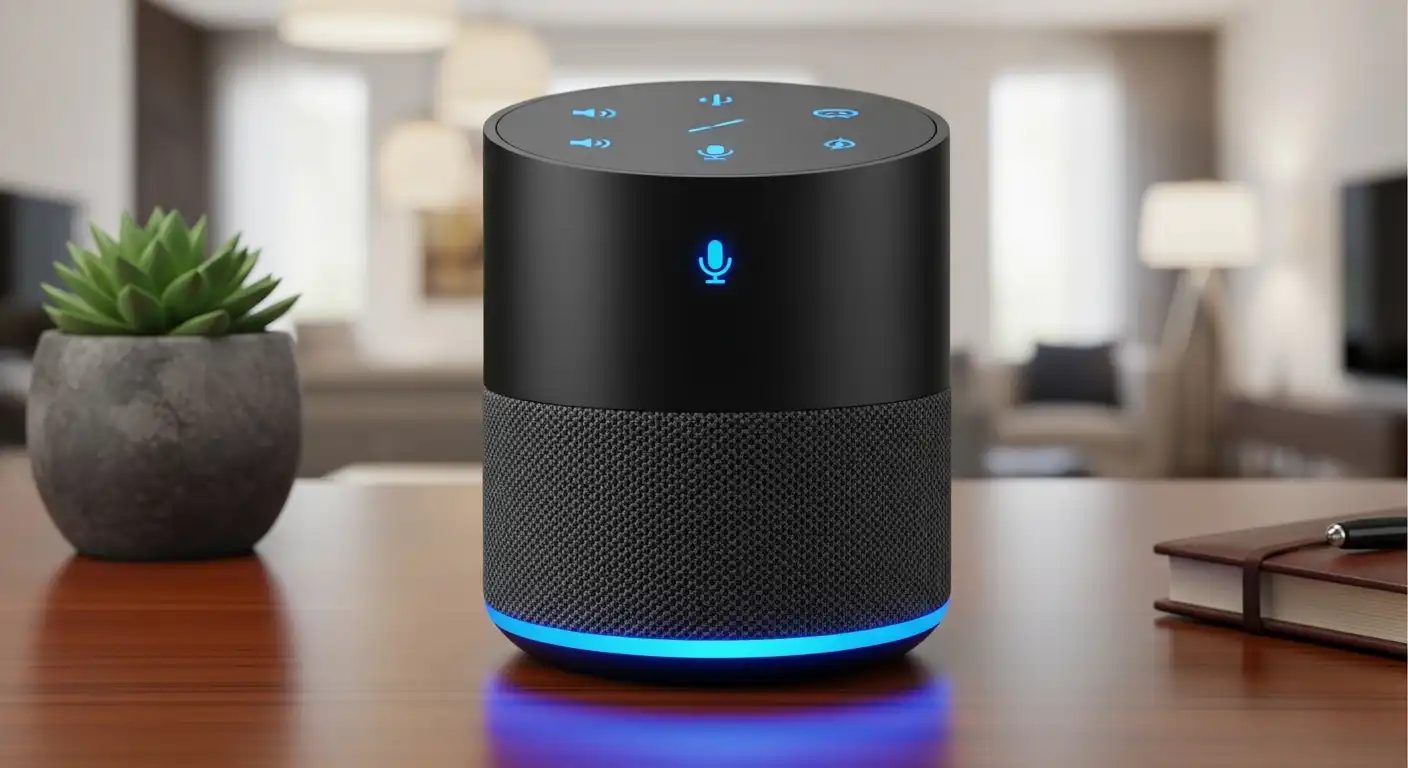
For the past decade, we’ve gotten used to having a robot waiter in our homes. We ask Alexa for the weather, we tell Siri to set a timer, and we ask the Google Assistant to play a song. These voice assistants are highly effective at following simple, direct commands. They are obedient, efficient, and somewhat slow. We are in the “command and control” era of voice technology. But thanks to the massive leaps in large language models, we are on the cusp of a new era—one where we stop giving orders and start having conversations.
From Waiter to Real Assistant
The difference between today’s voice assistants and tomorrow’s is the difference between a waiter and a true personal assistant. A waiter can take your order for “a coffee, black.” A real assistant, when you say, “I need a coffee,” might ask, “Are you trying to stay awake for that late-night meeting? Maybe a double espresso would be better. And don’t forget you have an early flight tomorrow, so maybe cut off the caffeine after 3 p.m.” This is the power of context. The next generation of voice assistants will understand not just what you said, but what you meant.
The Power of Memory and Context
Today’s smart speakers have the memory of a goldfish. Every interaction is a blank slate. The voice assistants of the near future will have a memory. They will know your preferences, schedule, relationships, and habits. When you say, “Plan a date night for Sarah and me,” it will know that Sarah is your wife, that you both love Italian food, that you prefer a restaurant on the quieter side, and that you have a concert next Friday, so it should book the reservation for Saturday instead. This ability to remember and connect the dots will transform these tools from simple command-takers into proactive partners.
The Conversational User Interface
This evolution will fundamentally change how we interact with technology. The “graphical user interface”—the world of icons, windows, and menus—has dominated computing for 40 years. The next great leap is the “conversational user interface.” Instead of clicking through a dozen menus to book a flight, you’ll simply be able to have a five-minute conversation with your assistant: “Find me a flight to Chicago next Tuesday, not too early. I prefer a window seat. Oh, and can you make sure it’s a flight that has Wi-Fi? Check to see if I have enough points to upgrade.” This is a more natural, human, and accessible way to complete complex tasks.
The Bridge Between Your Digital Worlds
Right now, our digital lives are trapped in silos. Our email doesn’t sync with our calendar, which doesn’t sync with our to-do list, and our maps don’t sync with either of them. The future voice assistant will be the bridge that connects them all. It will be an intelligent layer that sits atop all your apps, orchestrating them to achieve a common goal. It will receive an email from a client, automatically create a task on your to-do list, schedule a meeting on your calendar, and then remind you to leave an hour early due to traffic. It will be the conductor of your digital orchestra.
A Partner, Not Just a Speaker
This future is not far off. The underlying AI technology that makes all of this possible is advancing at a breathtaking pace. We are about to move beyond the era of the polite robot waiter. The next generation of voice assistants will be true partners in our daily lives—proactive, context-aware, and conversational. They will be less like a smart speaker and more like a smart sidekick, finally delivering on the promise of a truly personal digital assistant.