Key Points
- President Trump’s decision to allow Nvidia to sell advanced AI chips to China is facing strong criticism.
- Critics, including a former Trump advisor, say the move will boost China’s military and erode the U.S. AI advantage.
- The administration argues that the sales will discourage China from developing its own chip technology.
- The deal includes a 25% fee to the U.S. government and a ban on military use. It’s still unclear if China will even allow the chips to be imported.
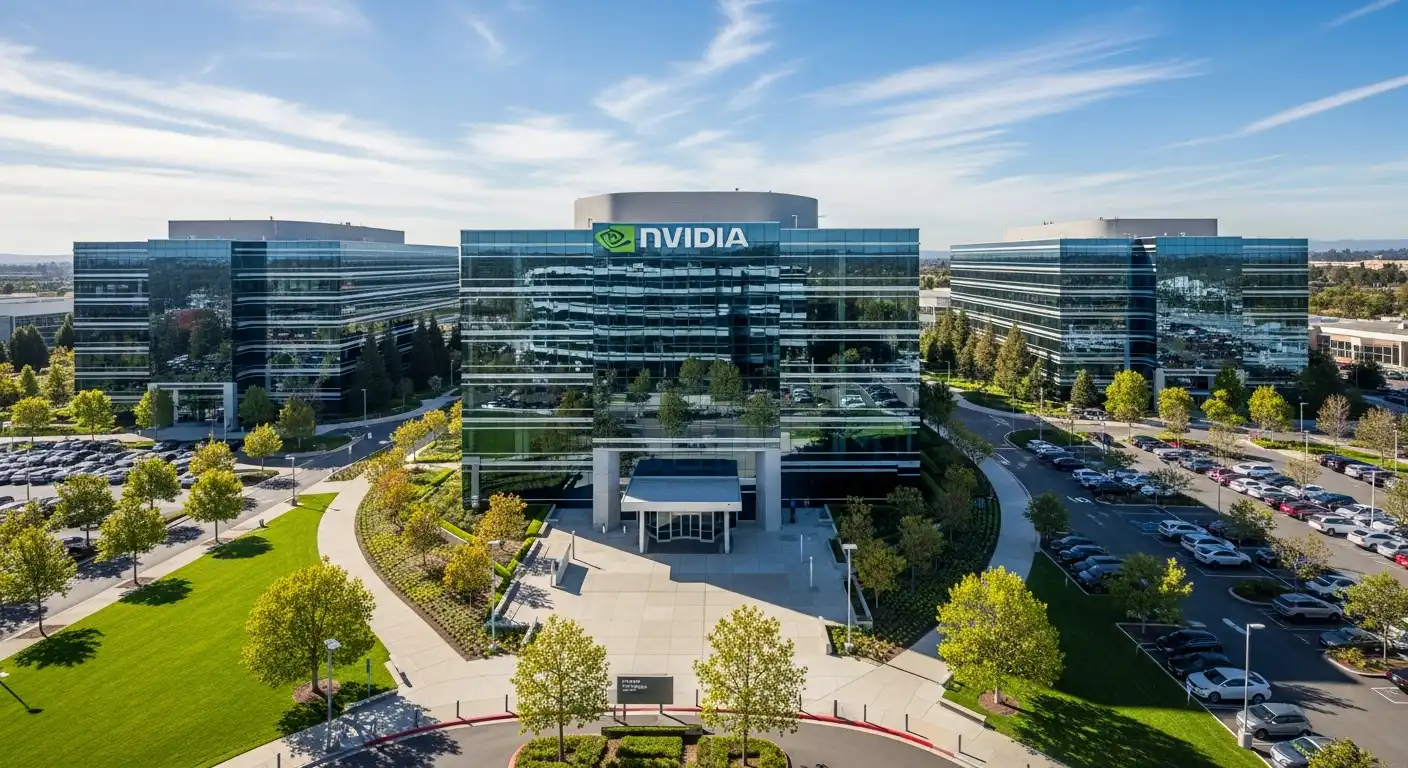
President Trump’s decision to allow Nvidia to sell its powerful H200 AI chips to China is facing widespread criticism from lawmakers and former officials. They are warning that the move will “supercharge” Beijing’s military and erode America’s edge in the artificial intelligence race.
The Trump administration formally approved the sales on Tuesday, reversing a Biden-era ban. The deal includes several conditions, including a 25% fee to the U.S. government and a ban on the chips being used for military purposes.
However, critics are not convinced that these “guardrails” are enough. Matt Pottinger, who served as a senior White House Asia advisor during Trump’s first term, told a congressional hearing that the administration is on the “wrong track.” He argued that selling these chips to China will enhance Beijing’s capabilities in everything from nuclear weapons to cyber warfare.
The administration, led by White House AI czar David Sacks, has defended the move, saying that it will discourage Chinese companies like Huawei from developing their own advanced chip designs. Pottinger called this idea a “fantasy.”
Democratic lawmakers were even more blunt in their criticism. “It’s truly like Trump is handing our opponents our coordinates in the middle of a battle,” said Congressman Gabe Amo. “Why are we giving up our advantage?”
The situation is further complicated by reports that Chinese customs authorities have told agents that the H200 chips are not permitted to enter the country. It’s a messy and confusing situation, but one thing is clear: the debate over how to handle China’s technological ambitions is far from over.