Key Points
- Nine European governments are set to sign a declaration to expand offshore wind power massively.
- The move is a direct defiance of President Trump’s recent criticism of wind energy.
- The declaration commits the countries to a target of 300 GW of offshore wind capacity by 2050.
- Last year, wind and solar produced more electricity than fossil fuels in the EU for the first time.
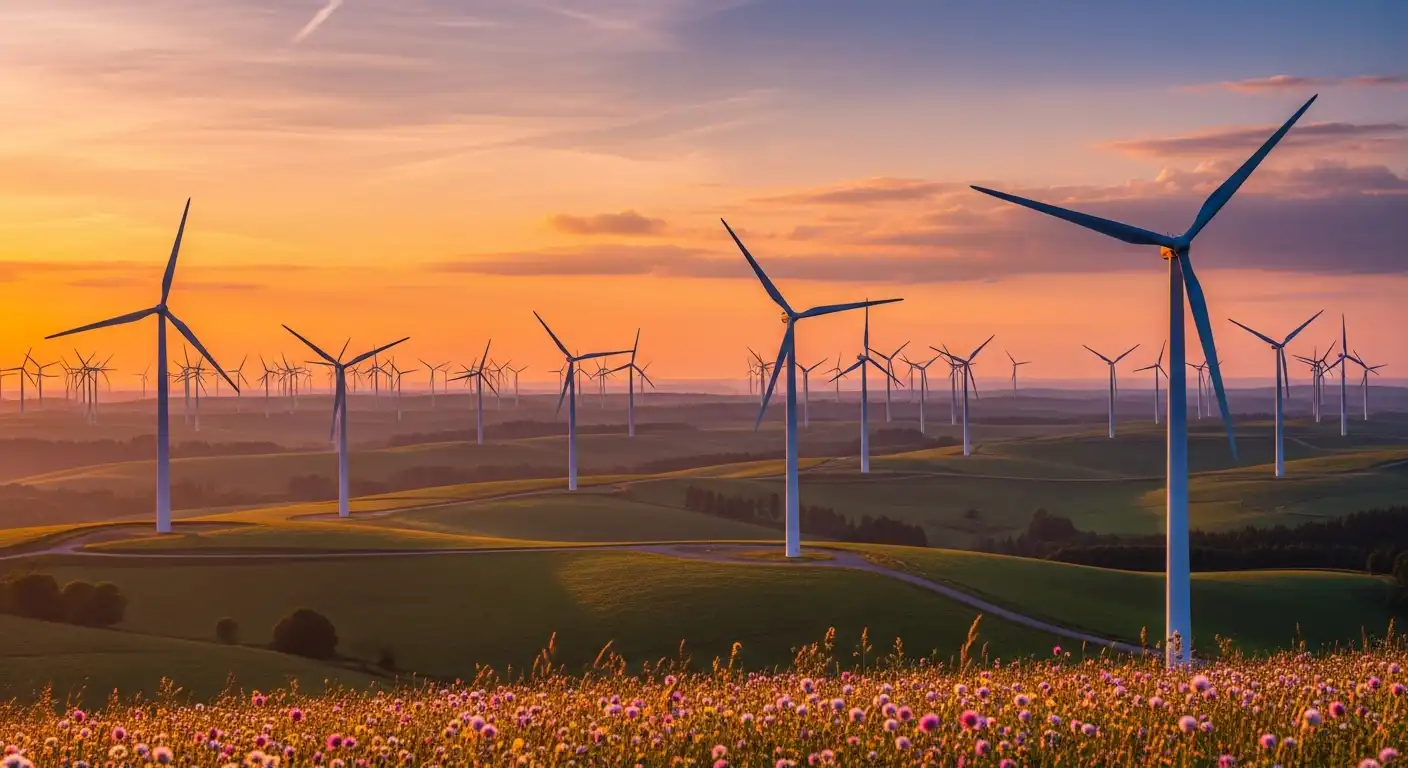
Nine European governments are set to reaffirm their commitment to a massive expansion of offshore wind power on Monday, in a clear defiance of President Donald Trump’s recent criticism of their green energy plans. The leaders of Germany, Britain, Denmark, and six other nations will sign a declaration in Hamburg, pledging to accelerate the development of large-scale, cross-border wind projects.
The move comes just days after Trump, speaking at the World Economic Forum in Davos, called wind turbines “losers” and claimed that the more of them a country has, the more money it loses.
The European leaders are clearly not listening. Their new declaration commits them to a target of 300 gigawatts of offshore wind capacity by 2050. They will also pledge to meet up to 100 GW of that goal through joint, cross-border projects.
“Expanding offshore renewable energy will contribute to promoting a stable, secure, and affordable energy supply, drive local value creation, strengthen our industries and competitiveness, increase our strategic autonomy, and generate jobs,” the draft declaration says.
The push for more wind power comes at a challenging time for the industry. Higher costs have led to failed wind farm auctions in several countries. To address this, the governments will also commit to increasing financing for wind projects, potentially through guarantees from the EU budget and other subsidy programs.
This new commitment is a strong signal that Europe is determined to continue its transition to a low-carbon economy, regardless of the political headwinds from across the Atlantic. Last year, for the first time, wind and solar power produced more electricity than fossil fuels in the EU, a trend that is only set to accelerate.