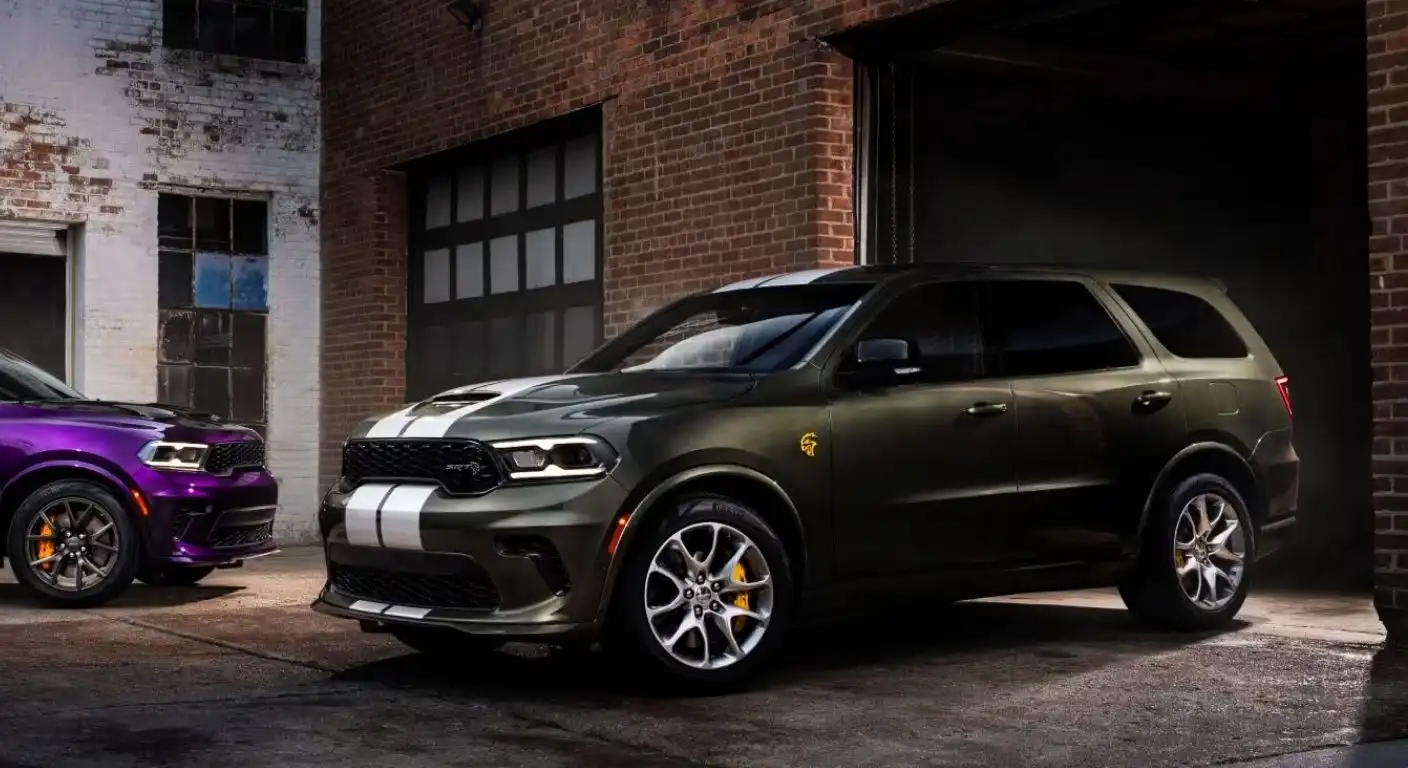
Key Points
- Dodge defeated a lawsuit filed by 2021 Durango Hellcat owners. Plaintiffs paid over $114,000 believing the car was a limited edition.
- Owners sued after Dodge restarted production of the SUV in 2023.
- The judge ruled there was no proof Dodge intended to deceive buyers.
- Changing future production plans does not automatically constitute consumer fraud.
Dodge has won a significant legal victory against a group of frustrated customers who felt the company tricked them into buying a “limited edition” vehicle. On Thursday, a federal judge in Delaware dismissed a class-action lawsuit filed by owners of the 2021 Dodge Durango SRT Hellcat. These owners argued that the automaker committed fraud by restarting production of the high-performance SUV two years after promising it would be a single-year exclusive run.
The trouble began when Dodge originally marketed the 2021 model. The company told buyers it would only produce 3,000 units for that specific year, creating a sense of urgency and scarcity. Believing they were purchasing a rare collectible, many enthusiasts paid premium prices, with costs reaching as high as $114,225. These buyers expected the vehicle to maintain a high resale value due to its exclusivity.
However, the owners expressed “shock and anger” when Dodge announced it would bring the Durango Hellcat back for the 2023 lineup.
The plaintiffs claimed this decision flooded the market, diluting the value of their 2021 models. They accused Fiat Chrysler, a unit of Stellantis, of false advertising and violating consumer fraud laws in states like California, Florida, and New York.
Despite their complaints, U.S. District Judge Jennifer Hall ruled in favor of the automaker. She dismissed the case, stating that the plaintiffs failed to prove that Dodge intended to lie at the start. The judge explained that just because a company changes its mind about future production later on, it does not mean its original statement was fraudulent.
According to the ruling, the automaker’s promise was true when they made it. The judge found no evidence that executives secretly planned to bring the car back while telling customers it was gone forever. Because the “misrepresentation” was an honest statement of intent at the time, it did not violate consumer protection laws.
The decision clears Stellantis of liability, leaving the owners with their powerful SUVs, but perhaps without the investment value they originally hoped for.