Key Points:
- China implemented its new national atomic energy law in January 2026.
- The Zhangzhou plant began operating a new “Hualong One” reactor unit.
- China currently has 41 Hualong One units built or under construction.
- The government expects to have over 100 operational nuclear units soon.
China kicked off 2026 with a major expansion of its nuclear energy sector, marking significant progress in both infrastructure and legislation. In January, key projects in the eastern provinces of Fujian and Jiangsu moved forward, supported by a new national atomic energy law that took effect mid-month. These moves highlight Beijing’s commitment to using nuclear power to boost energy security and cut carbon emissions.
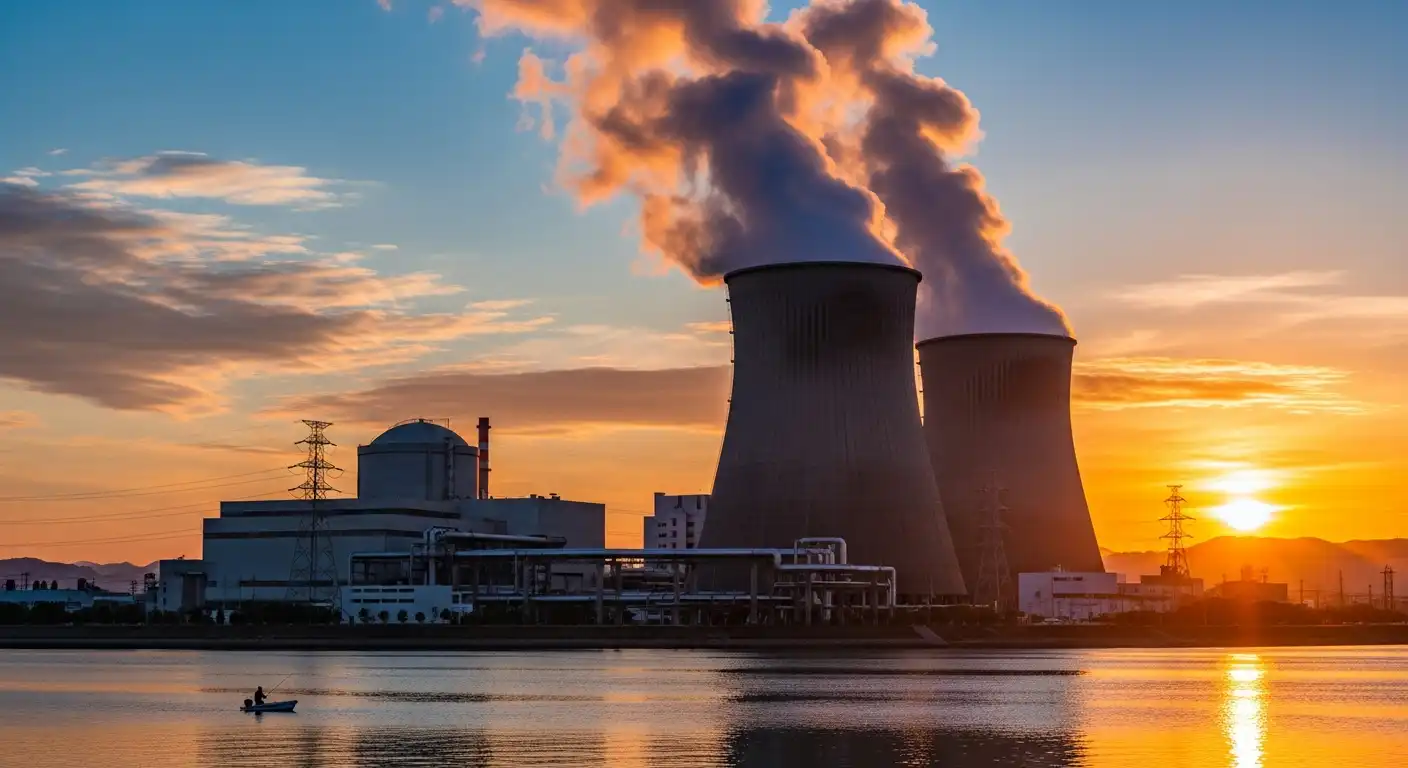
On New Year’s Day, the Zhangzhou Nuclear Power Plant in Fujian fired up its second unit for commercial use. This facility uses “Hualong One,” a third-generation reactor technology developed entirely within China. Engineers designed these reactors to withstand severe earthquakes and operate with world-class safety standards. A single unit generates enough electricity to replace over 3 million tonnes of coal annually, significantly cleaning up the air. Currently, 41 Hualong One units are either running or under construction.
Nuclear power isn’t just keeping the lights on; it is now powering heavy industry. On January 16, construction began on a massive project in Jiangsu province that integrates nuclear energy with petrochemical production.
Instead of burning fossil fuels to create the high-temperature steam needed for chemical manufacturing, this facility will use heat directly from nuclear reactors.
The project pairs two Hualong One reactors with a high-temperature gas-cooled reactor to send industrial steam to the nearby Lianyungang petrochemical base.
Backing these physical projects is the new atomic energy law, which sets clear rules for safety, research, and sustainability. The legislation encourages using nuclear tech for diverse needs, including heating, seawater desalination, and hydrogen production.
The government has signaled it will continue this momentum, planning to have over 100 nuclear units commercially operational soon. By integrating nuclear capabilities into the broader economy, China aims to green its industries while maintaining robust growth.