Key Points:
- Tesla is pivoting from a car manufacturer to a robotics and tech firm.
- Musk plans to end production of the Model S and Model X. Factory lines will be converted to build Optimus humanoid robots.
- Future value will drive from robotaxis, energy, and a new chip plant.
- Analysts project that billions in revenue from robot sales could replace declining EV profits.
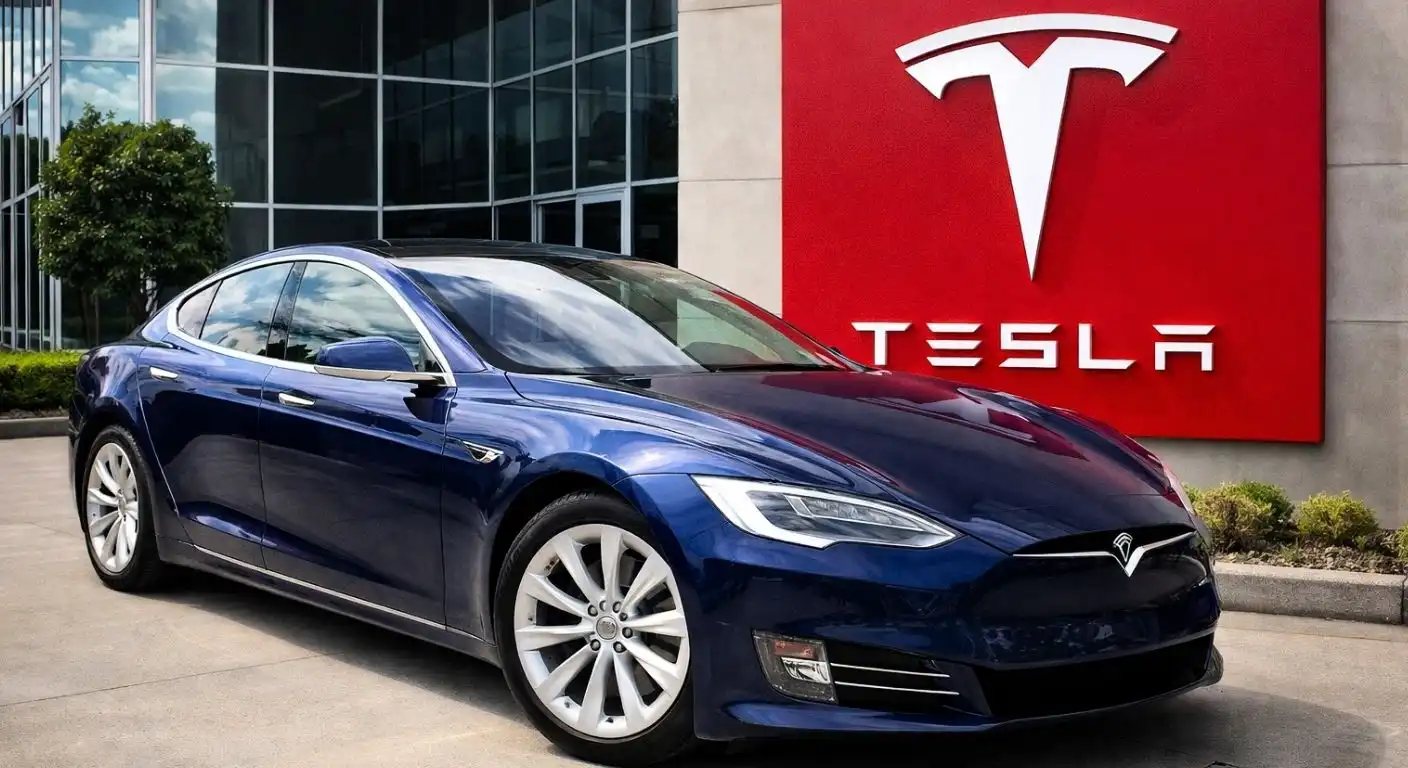
For years, investors argued whether Tesla was a car manufacturer or a technology company. Following Elon Musk’s latest updates, the debate seems settled. As of February 1, 2026, Tesla is effectively leaving the traditional auto industry behind to become a titan of robotics, chips, and software.
The stock market already treats Tesla differently from giants like Ford or General Motors. While traditional car companies trade at low multiples, Tesla trades like a high-growth tech stock. This makes sense because Musk is no longer prioritizing selling electric sedans to everyday drivers. In fact, he recently announced plans to scrap the Model S and Model X entirely.
Musk’s decision to kill off these flagship cars isn’t just about cutting costs; it is about freeing up factory space for his new obsession: the Optimus humanoid robot. Musk sounded almost emotional discussing the end of the S and X lines, but he believes the company is entering an age of “amazing abundance.” He plans to replace car assembly lines with robot production.
Analysts believe this gamble makes financial sense. If Tesla sells just half a million robots a year at $50,000 each, that brings in $25 billion—likely far more profit than selling electric cars that people are buying less of anyway.
Beyond robots, the future of Tesla relies on the long-promised robotaxi fleet and a massive new venture into chip manufacturing called “TerraFab.” Musk admits building this chip facility will cost billions, but supporters see it as the ultimate power move for long-term growth.
This radical shift explains why Tesla’s stock didn’t crash even after the company reported a 16% drop in vehicle deliveries. Investors are looking past the poor car sales. They are buying into a future where Tesla makes money from high-margin software, energy, and autonomous labor, rather than competing in a crowded market to sell family SUVs. The era of Tesla the automaker is ending; the era of Tesla the robotics giant has begun.