Key Points:
- China and the United States plan to reduce tariffs on at least $30 billion worth of goods from each side.
- The two nations will create new trade and investment councils to manage economic relations and avoid crises.
- China agreed to purchase 200 Boeing aircraft while the United States promised to supply necessary engines and parts.
- Both countries plan to remove barriers in agricultural trade to boost exports of beef, poultry, dairy, and seafood.
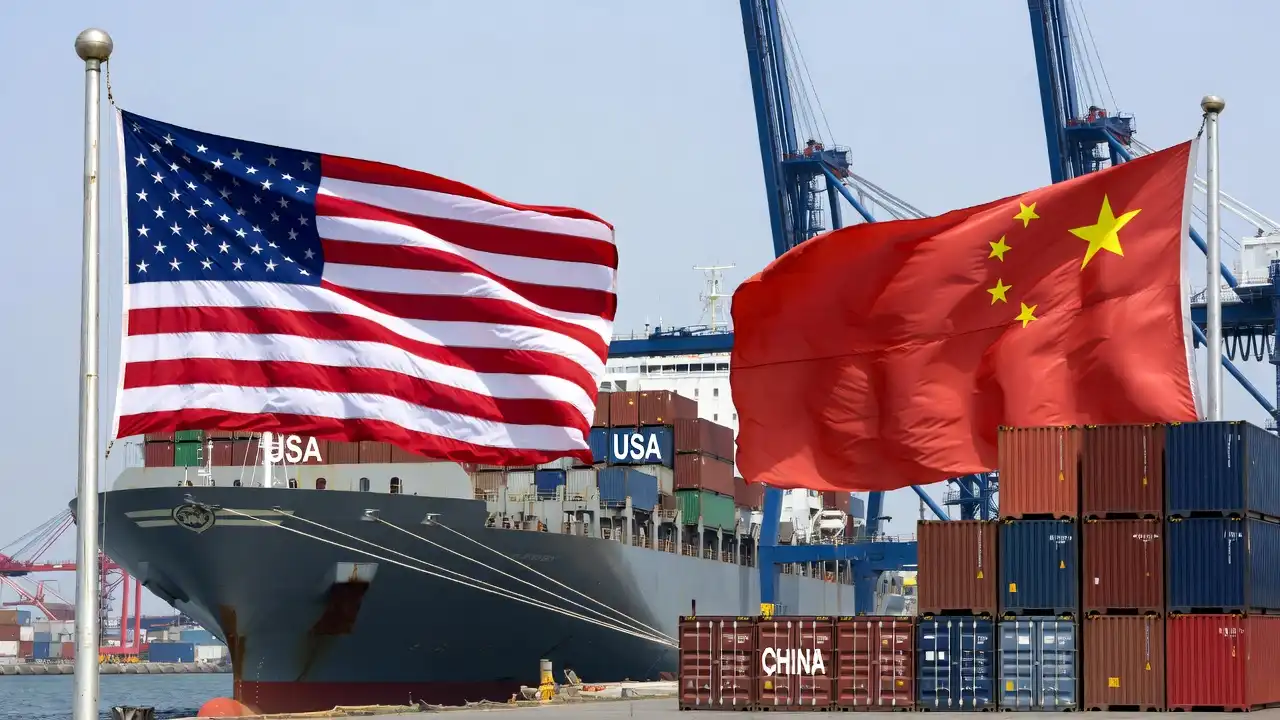
China and the United States recently reached preliminary agreements during their latest round of economic and trade consultations. Officials and experts believe these new measures will stabilize the complex economic relationship between the two nations. These agreements will also support a much more cooperative global economy amid rising international uncertainty.
The Chinese Ministry of Commerce announced on Wednesday that both countries agreed in principle to a reciprocal tariff reduction framework. Under this new plan, they will lower tariffs on products worth $30 billion or more from each side. The selected goods will receive most-favored-nation tariff rates or even lower taxes. A ministry official stated that this arrangement will expand bilateral trade and serve as a strong example of open global cooperation.
To manage these changes, China and the United States will establish dedicated trade and investment councils. This step shifts their economic relationship away from constant crisis response and moves it toward structured daily management. The councils will help officials directly address specific trade concerns and investment roadblocks before they escalate into larger conflicts.
Dai Mingfeng, a researcher at the Chinese Academy of International Trade and Economic Cooperation, praised the new councils. He noted that this move creates favorable conditions for stabilizing bilateral trade. He explained that the structured dialogue provides practical support for expanding trade and will help drive a strong recovery for both agricultural and industrial products.
To turn these plans into real progress, the Chinese commerce ministry urged the United States to honor its previous commitments. Officials asked Washington to ensure that any future tariffs on Chinese goods never exceed the limits set during the Kuala Lumpur economic and trade consultations held in October of last year. China wants a firm guarantee that American tax levels on its exports remain predictable.
Agriculture played a massive role in the recent talks. Both sides agreed to expand two-way farming trade and resolve frustrating non-tariff barriers. The United States promised to address issues with automatic detention measures targeting Chinese dairy and aquatic products. In return, China will advance solutions to address American concerns regarding beef facility registrations and poultry exports coming from specific states.
The commerce ministry highlighted that China remains the world’s most important agricultural market. Expanded American farming exports will help meet heavy structural demand within the Chinese market. At the same time, the massive Chinese consumer base will provide steady demand and reliable income for farmers across the United States. Zhou Mi, a senior researcher, noted that these clear agricultural outcomes will greatly improve market expectations and bring tangible benefits to businesses.
The aviation sector also saw breakthroughs during the consultations. In response to its growing air transportation needs, China agreed to purchase exactly 200 Boeing aircraft in accordance with standard commercial principles. To support this massive purchase, the United States promised to ensure a sufficient and steady supply of aircraft engines and related maintenance parts to China.
Senior economist Zhang Yansheng summarized the global importance of these talks. He explained that both countries remain too important to the rest of the world. When their relationship stays strong, the entire world benefits, but when it falters, global markets feel the shock. Executives from American companies agreed, noting that stability strengthens business confidence and sustains long-term cooperation.
Michael Doogue, chief executive officer of American semiconductor manufacturer Allegro MicroSystems, highlighted the importance of a stable Chinese market. He stated that China plays a dual role for his company, acting as both a major sales market and a crucial part of its global supply chain. Doogue promised to continue investing in China by expanding research collaboration and optimizing supply networks.
Finally, the two sides discussed sensitive export controls regarding rare earths and other critical minerals. The commerce ministry reported that both nations held extensive communications on the topic. They plan to jointly explore new ways to address their legitimate and lawful concerns. China emphasized that it applies its export controls on critical minerals strictly in accordance with its laws while carefully reviewing license applications for civilian use.