Key Points:
- Researchers identified Sphingopyxis bacteria as a powerful “probiotic” for plants.
- These bacteria help plants grow roots and absorb nitrogen more efficiently.
- Using these microbes could significantly reduce the need for synthetic fertilizers.
- Scientists aim to develop a mixture of microbes to further boost crop health.
Farmers rely heavily on nitrogen fertilizer to keep the world fed, but this chemical dependence often harms the environment. Now, scientists at the Technical University of Munich (TUM) have found a natural alternative that could change how we grow crops. They identified a specific type of bacteria that acts like a “probiotic” for plants, helping them grow stronger roots and absorb nutrients more efficiently.
Plants do not just sit passively in the soil. They actively change the microscopic world around their roots. Professor Peng Yu, who led the study, explains that plants can shape the community of tiny organisms living nearby to suit their needs.
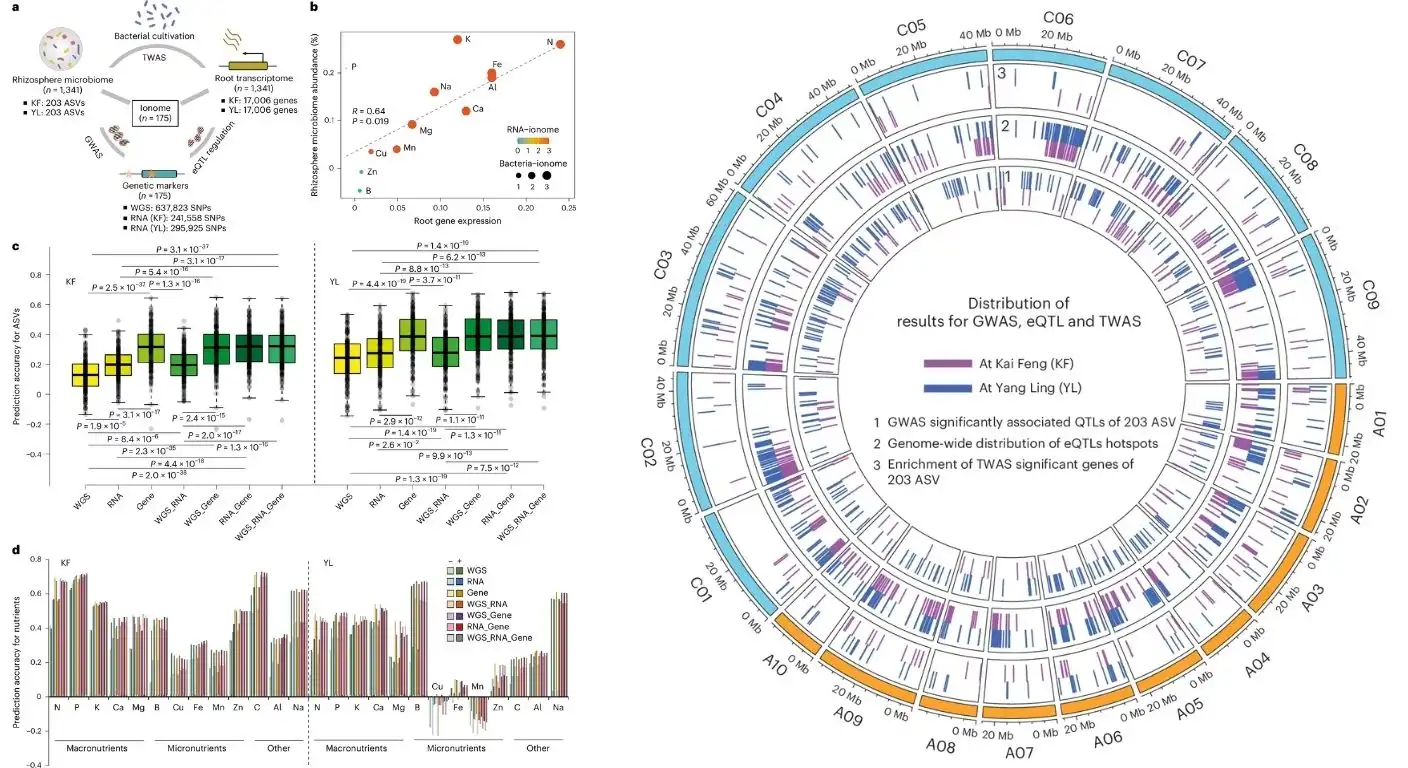
The research team looked closely at how plants and microbes interact on a genetic level. They discovered that the plant and the bacteria work together to control how much nitrogen the plant gets. In fact, nearly half of a plant’s ability to absorb nitrogen comes from this genetic partnership between the host and the microbes.
The standout discovery in their study was a bacterial group called Sphingopyxis. When the researchers added these bacteria to rapeseed plants, the results were impressive. The plants grew better root systems, even in soil that did not have much nitrogen. This proves that the bacteria helped the plants find and use the scarce nutrients that were available.
This discovery offers a promising path toward more resource-efficient farming. If farmers can use these “plant probiotics,” they might not need to use as much artificial fertilizer. Less fertilizer means less pollution in our water and soil, making agriculture more sustainable without sacrificing crop yields.
The team is not stopping with just one type of bacteria. Professor Yu says their goal is to create a powerful mixture of different beneficial microbes. By combining several types of bacteria, they hope to give crops an even bigger boost, improving not just how they take up nitrogen, but how they use other nutrients as well.
Source: Nature Plants (2026).