Key Points:
- Cells can retain a memory of past stress in the 3D structure of their genome.
- This cellular memory is separate from the underlying DNA sequence.
- The altered chromosome shape persists even after the stress is removed.
- The discovery could open doors to new therapies targeting chromatin compaction.
French scientists have made a remarkable discovery about how our cells respond to challenging events. A new study, published in Nature Genetics on February 4, reveals that cells can “remember” a past disturbance not by changing their genetic code, but by altering the physical, three-dimensional shape of their genome. This finding provides a new layer of understanding about cellular life.
A research team led by CNRS scientists found that when cells are exposed to a temporary stress, they can change how their DNA is folded and packed inside the nucleus. This process involves proteins that organize the incredibly long strands of DNA into a compact, functional architecture. The team observed that even after the initial stress was gone and the environment returned to normal, the cells held onto this new structural shape.
You can think of it like folding a map. Even after you flatten it out again, the creases remain as a physical memory of how it was folded. The scientists saw something similar inside living cells. Furthermore, they discovered that if they exposed the cells to the same stress again, the “memory” was strengthened, and the structural changes became more pronounced.
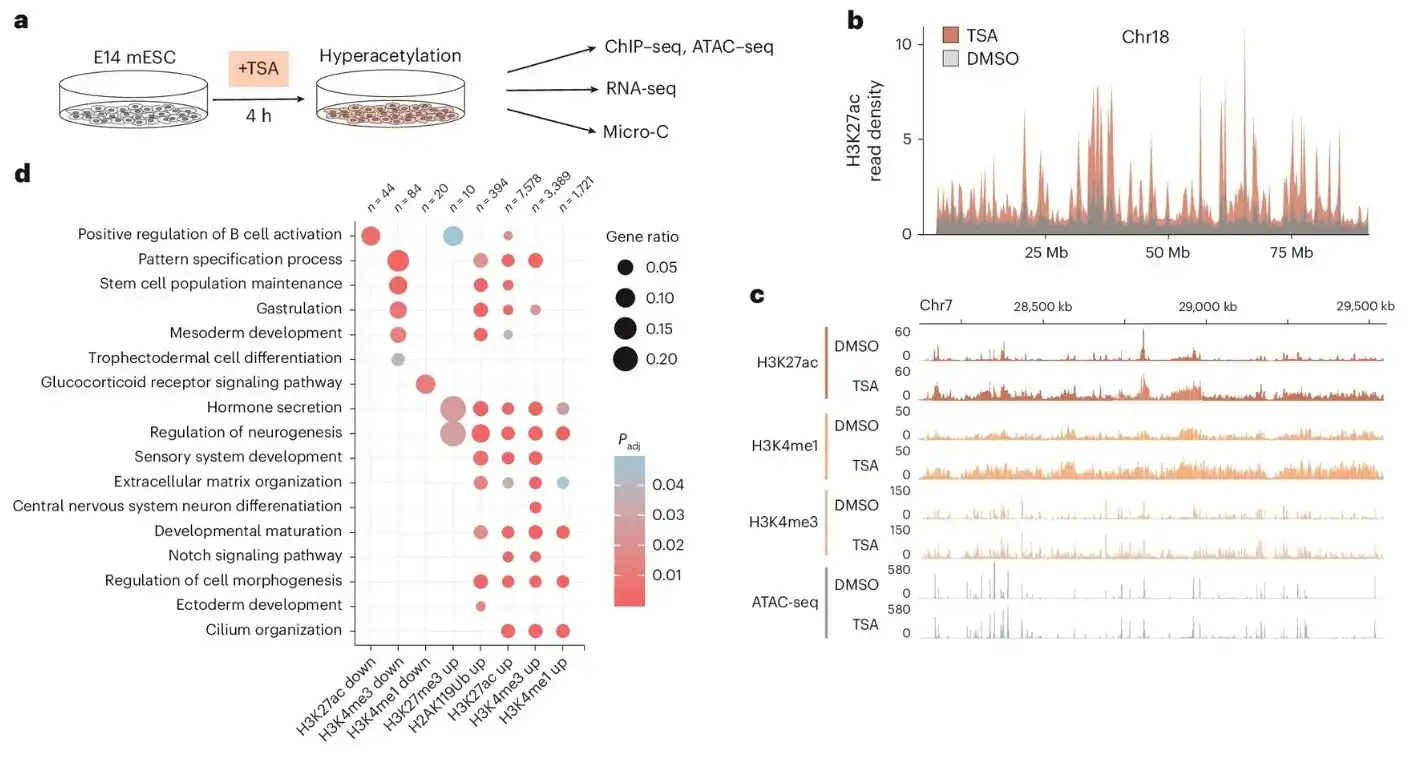
To test their idea, the researchers used mouse embryonic stem cells. They treated the cells with a compound used in some cancer therapies that is known to modify how DNA is compacted. As predicted, the cells’ genomic architecture changed and remained in that new state even after the compound was washed away.
In a crucial follow-up experiment, the team deliberately destroyed specific 3D genomic structures. After this intervention, the cells could no longer retain the memory of the past stress, proving that the physical architecture itself was the key to this memory mechanism.
This discovery reshapes the scientific view of chromatin—the substance of DNA and proteins inside our chromosomes. Previously, scientists thought its main job was to control individual genes. Now, it appears that its overall 3D structure plays a vital role in cellular memory. This breakthrough could lead to new medical therapies designed to treat diseases by modifying the physical structure of the genome.
Source: Nature Genetics (2026).