Key Points:
- The EPA repealed the finding that greenhouse gases endanger public health.
- Federal tailpipe emissions standards for vehicles have been eliminated.
- Trump called the move the biggest deregulatory action in U.S. history.
- The administration claims the change will save taxpayers $1.3 trillion.
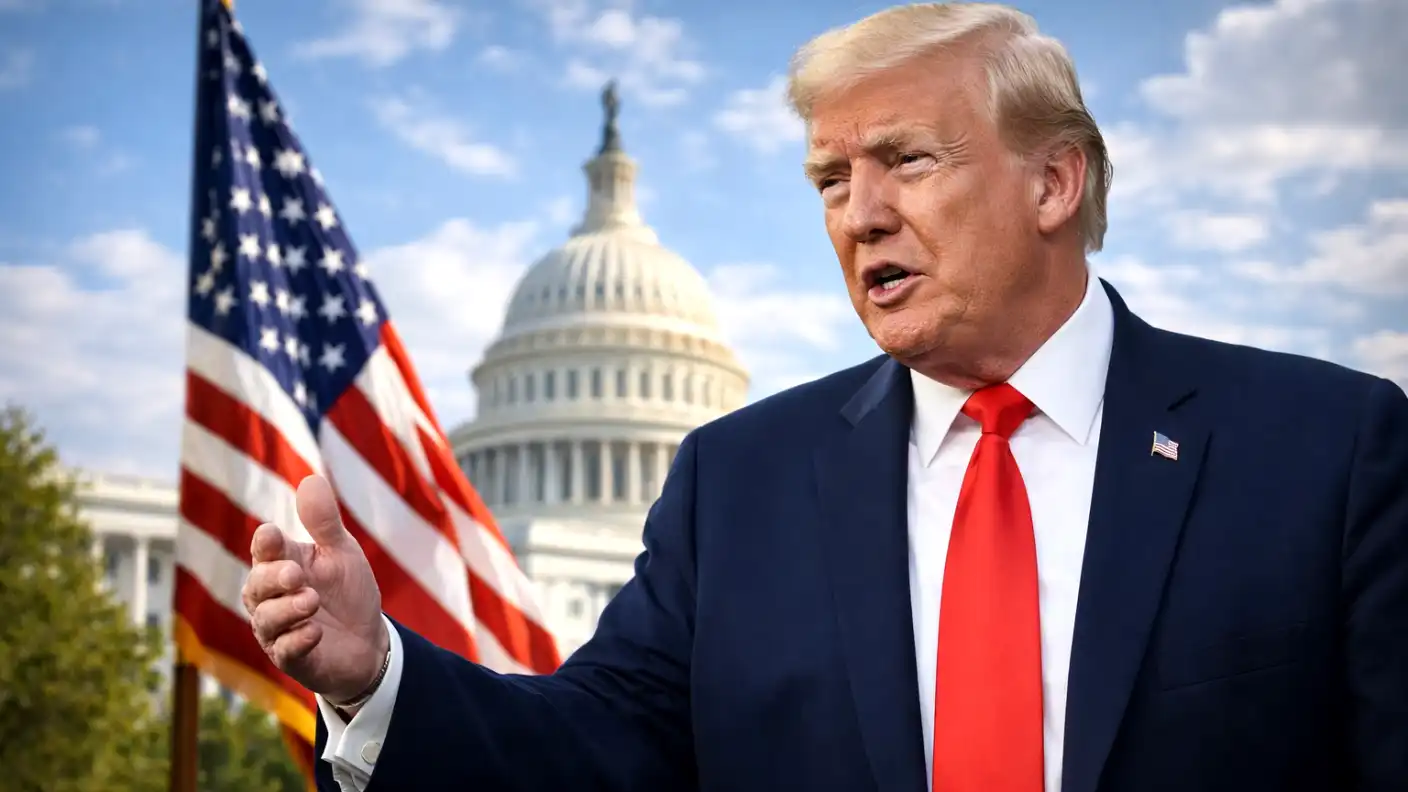
President Donald Trump’s administration announced on Thursday that it is repealing a major scientific finding regarding climate change. The government officially declared that greenhouse gas emissions do not endanger human health. Alongside this decision, the administration eliminated federal limits on tailpipe emissions for cars and trucks. Trump described the move as the largest deregulatory action in American history.
The Environmental Protection Agency (EPA) stated that the original rule, known as the “endangerment finding,” was legally flawed. The agency argues that federal clean air laws were designed to protect people from local pollution, not to control global climate temperatures. EPA Administrator Lee Zeldin said ending this 2009 policy fixes a long-standing case of government overreach.
Trump has frequently criticized climate change initiatives, often calling them a scam. He argues that the old regulations damaged the American auto industry and drove up prices for consumers.
However, former President Barack Obama quickly blasted the decision. He warned that removing these protections will make the country less safe and healthy, accusing the administration of prioritizing fossil fuel profits over public well-being.
The financial stakes are high. The EPA claims that scrubbing these rules will save U.S. taxpayers roughly $1.3 trillion. The coal industry cheered the announcement, hoping it would prevent aging power plants from shutting down. In contrast, environmental groups argue that American families will lose money in the long run. Previous estimates suggested that stricter efficiency rules saved drivers thousands of dollars in fuel and maintenance costs.
Major automakers reacted cautiously. The Alliance for Automotive Innovation noted that the previous targets for electric vehicles were extremely difficult to meet, given current demand. Under former President Biden, the goal was for nearly half of new cars to be electric by 2032. That regulatory pressure has now vanished.
The changes are expected to trigger an immediate legal war. Groups like the Natural Resources Defense Council and Earthjustice have promised to sue the administration right away. Legal experts warn that this reversal could lead to years of court battles and create significant uncertainty for businesses trying to plan for the future.