In a hyper-connected global economy, risk is no longer a localized event; it is a contagion. A cyberattack in Ukraine can freeze shipping in California. A drought in Brazil can spike coffee prices in Berlin. A regulatory change in China can wipe billions off tech stocks in New York. For decades, businesses managed risk in silos—legal handled lawsuits, IT handled hackers, and finance handled interest rates. They were blind to the cascading effects of interconnected threats. Today, organizations are adopting Risk Intelligence Systems.
These are integrated platforms that do not just “manage” risk; they sense it. By ingesting massive datasets—from geopolitical news feeds and dark web chatter to satellite weather data—these systems turn raw exposure into strategic awareness. They allow leaders to see around corners, predicting threats before they materialize and identifying opportunities where others see only danger.
This comprehensive guide explores the architecture of modern risk intelligence, the shift from reactive to proactive management, and why risk awareness is the ultimate competitive advantage.
The Evolution: From Risk Management to Risk Intelligence
To understand the shift, we must distinguish between “Management” and “Intelligence.”
- Risk Management: This is defensive. It asks, “How do we survive if X happens?” It relies on historical data, insurance policies, and compliance checklists. It is static.
- Risk Intelligence: This is offensive. It asks, “What is likely to happen, and how can we benefit?” It relies on real-time data, predictive modeling, and scenario planning. It is dynamic.
The goal of Risk Intelligence is not to eliminate risk (which eliminates profit) but to optimize it.
The Architecture of Awareness
A Risk Intelligence System acts as a central nervous system for the enterprise.
The Sensor Network (Data Ingestion)
The system continuously scans the external environment.
- Open Source Intelligence (OSINT): Scanning news, social media, and regulatory filings for early warning signals (e.g., rumors of a strike at a key supplier).
- Cyber Intelligence: Monitoring the dark web for compromised credentials or chatter about vulnerabilities in the company’s software stack.
- Geospatial Data: Using satellites to monitor flood risks at warehouse locations or crop yields in supply chains.
The Analytical Engine (Contextualization)
Raw data is noise. The engine uses Artificial Intelligence (AI) to filter it.
- Correlation: It links disparate events. “A cyberattack on Port A correlates with a delay in Component B, which will impact Product Launch C.”
- Sentiment Analysis: Measuring the mood of the market or the workforce to predict volatility or turnover.
The Visualization Layer (Actionable Insight)
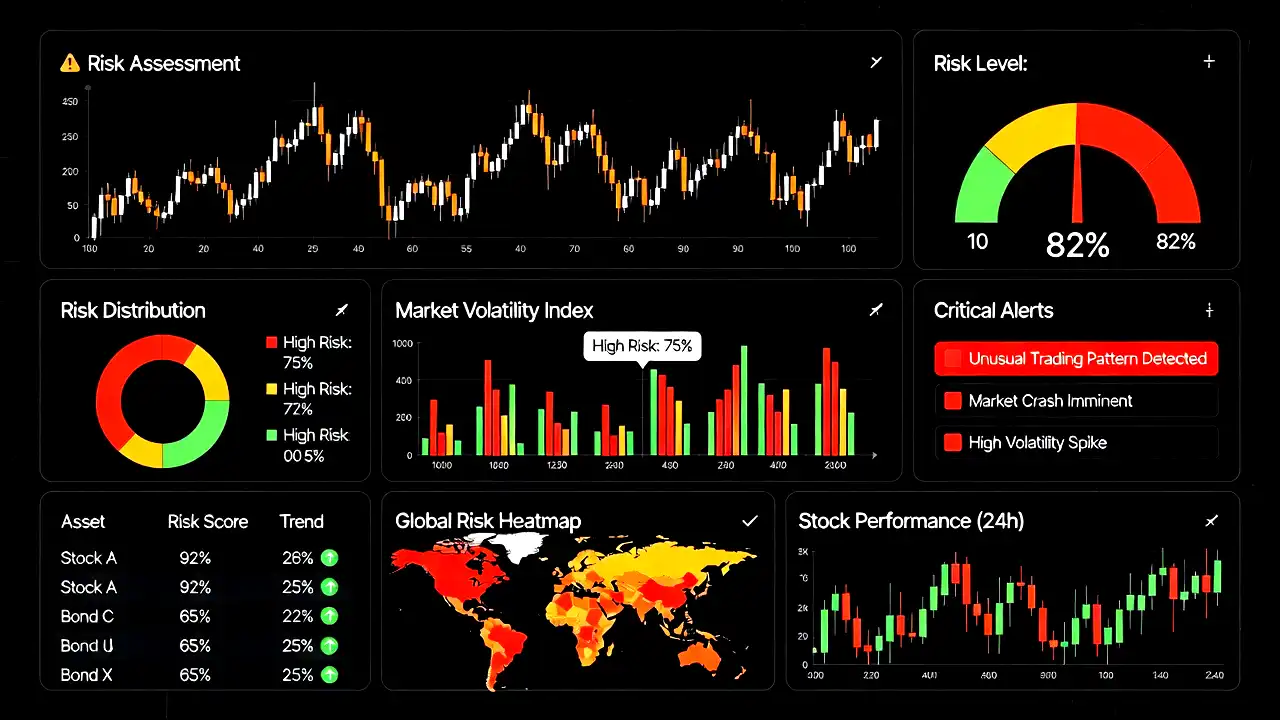
Executives don’t need spreadsheets; they need dashboards. The system translates complex risk vectors into “Heat Maps” and “Risk Scores.” It quantifies the financial impact: “This geopolitical tension poses a $50M revenue risk.”
Use Cases: Intelligence in Action
Risk intelligence transforms every department.
Supply Chain Resilience
During the COVID-19 pandemic, companies with risk intelligence saw the lockdowns in Wuhan weeks before the global shutdown. They pivoted suppliers immediately. Today, these systems predict disruptions caused by climate change (hurricanes) or labor disputes, allowing companies to build inventory buffers strategically.
Cyber Risk and Third-Party Management
Your security is only as strong as your weakest vendor. Risk intelligence systems continuously score the cyber hygiene of every third-party partner. If a vendor’s risk score drops (e.g., due to a new vulnerability), the system alerts the security team to revoke access or demand a patch, preventing a supply-chain attack.
Reputational Intelligence
In the age of “Cancel Culture” and ESG (Environmental, Social, Governance) scrutiny, reputation is a fragile asset. Systems monitor brand sentiment in real-time. If a negative narrative starts trending, the PR team is alerted instantly, allowing them to shape the story before it spirals into a crisis.
The Strategic Shift: Risk as a Driver of Growth
The most advanced companies use risk intelligence to take more risk, not less.
- Market Entry: Before entering a volatile emerging market, a company uses intelligence to map the political and regulatory landscape. If they understand the risks better than their competitors, they can enter with confidence while others stay away.
- M&A Due Diligence: Instead of just auditing the books, acquirers use intelligence to audit the target’s cyber posture and supply chain dependencies, uncovering hidden liabilities before signing the check.
Conclusion
Risk Intelligence Systems represent the maturity of the information age. We have moved from “Big Data” (collecting everything) to “Smart Data” (knowing what matters).
In a world defined by volatility, uncertainty, complexity, and ambiguity (VUCA), the ability to turn exposure into awareness is the defining trait of resilient leadership. Organizations that master this will not just survive the next crisis; they will have anticipated it, prepared for it, and positioned themselves to thrive in its aftermath. Risk is inevitable; being blindsided by it is optional.