Key Points:
- Human-driven warming made the 2024 Valencia floods significantly worse.
- Rainfall intensity increased by 21% compared to pre-industrial levels.
- The storm covered an area 55% larger due to climate change.
- Warmer Mediterranean waters pumped excess moisture into the atmosphere.
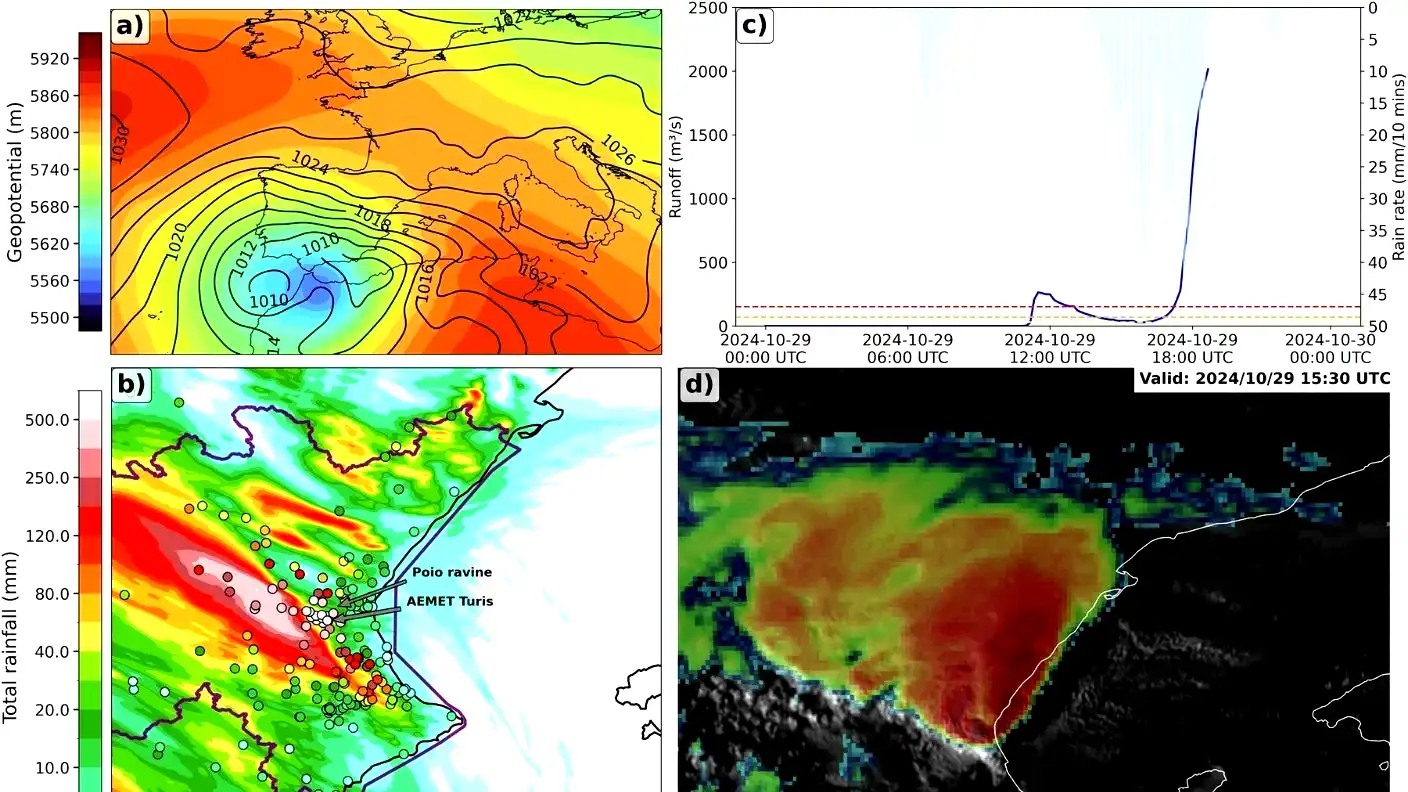
A new scientific study has confirmed that human-driven climate change played a massive role in Spain’s deadliest natural disaster in a generation. The research, published on Tuesday in the journal Nature Communications, analyzes the catastrophic flash floods that devastated the Valencia region in October 2024. The disaster claimed over 230 lives and destroyed thousands of homes when a year’s worth of rain fell in just a few hours.
The study reveals that global warming acted as a turbocharger for the storm. Researchers found that the six-hour rainfall rate was 21% more intense than it would have been in the 19th century, before major industrial pollution began. Furthermore, the storm did not just rain harder; it grew bigger. The affected area was 55% larger than what scientists expect from a storm in a pre-industrial climate.
Carlos Calvo-Sancho, the study’s lead author, pointed to the Mediterranean Sea as a primary culprit. The sea surface temperatures were unusually high in 2024. This heat caused more water to evaporate, filling the atmosphere with moisture. When the storm system arrived, it unleashed this excess water on the land with devastating force.
To reach these conclusions, the team ran high-resolution computer simulations. They modeled the storm twice: once using today’s climate conditions and once using the conditions of a pre-industrial planet. The comparison showed clearly that a warmer world creates storms with a much heavier geographical footprint and higher peak rainfall rates.
The findings serve as a grim warning for the future. The authors noted that the last three years have been the hottest on record. This study adds to the evidence that climate change is intensifying the global water cycle, making wet events wetter and more dangerous.
Calvo-Sancho stressed that cities in the western Mediterranean need to adapt immediately. The extreme weather scenarios that scientists predicted for the distant future are happening right now. The destruction in Valencia highlights a growing vulnerability that infrastructure in the region is currently ill-equipped to handle.
Source: Nature Communications (2026).