Key Points:
- Biologists usually measure cells using several different testing methods.
- Older machine learning software mixes all the test data together.
- A new AI tool separates shared cell data from unique data.
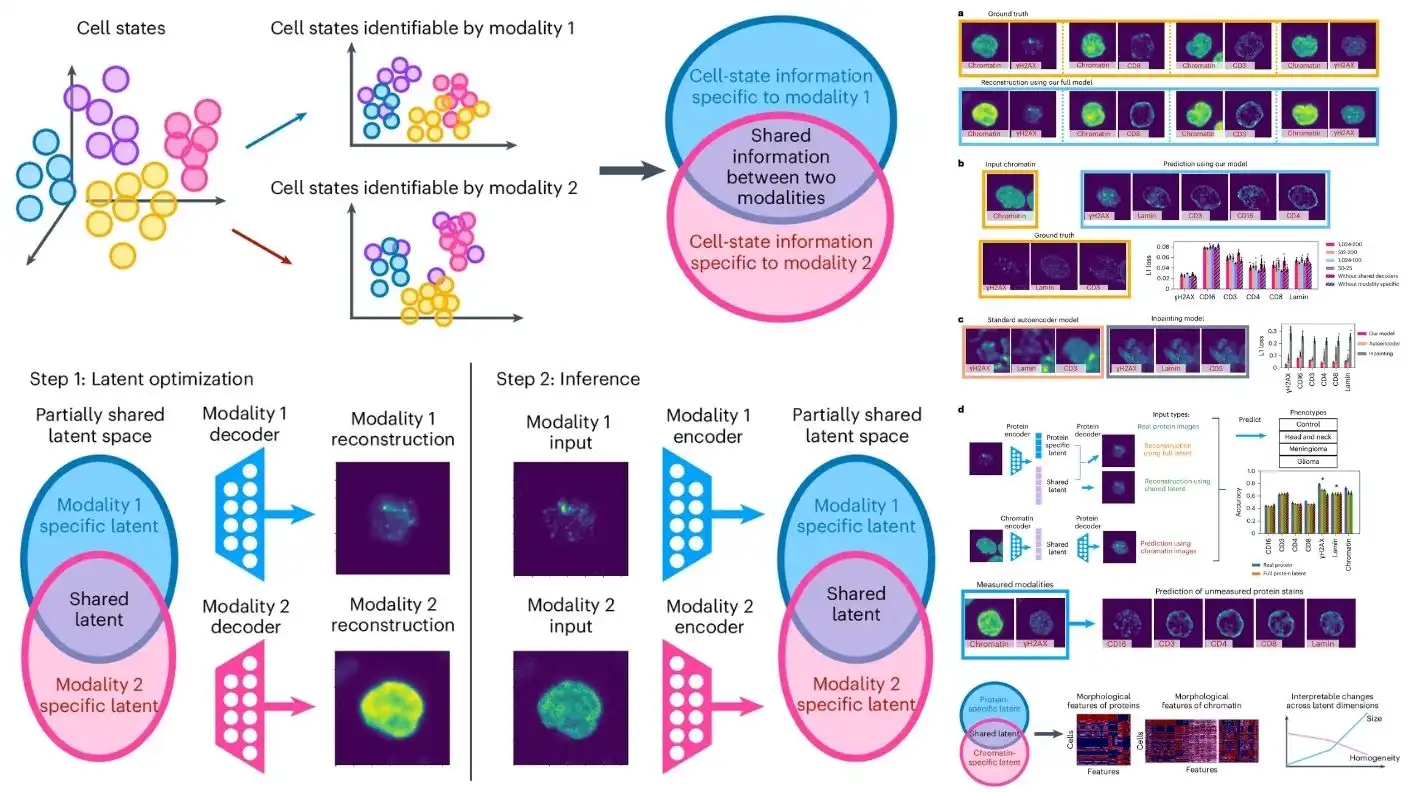
- The system acts like a sorting Venn diagram for cellular information.
Biologists study cancer and other diseases by looking closely at cells. Since cells contain many complex layers, scientists use different tests to measure things like proteins, physical shape, or gene activity. Every test provides a different piece of the overall puzzle.
To get a complete picture of a cell, researchers must run multiple tests and analyze the results one by one. Machine learning speeds this up, but older software jumbles all the data together. This mixing makes it impossible for researchers to know exactly which part of the cell provided specific medical clues.
Researchers from MIT, Harvard, and ETH Zurich solved this problem. They created a new artificial intelligence system that neatly sorts the laboratory data. The AI figures out which details appear across multiple tests and which details only show up in one specific test.
Xinyi Zhang, the lead author, explained that the team designed the AI to work like a Venn diagram. Users simply feed their test results into the software. The program then automatically separates the shared information from the unique information without any extra manual work.
The team tested the system on real data from cancer patients. The AI successfully found a specific protein marker that signals DNA damage. It also told the scientists exactly which test captured that marker, saving them valuable time.
Caroline Uhler, a senior author, noted that scientists cannot possibly run every available test on a single cell. This new software tells them exactly which tests they actually need to perform and which results they can simply predict.
In the future, the team hopes this tool will help doctors understand complex conditions. By comparing different data types clearly, researchers can track the progression of Alzheimer’s, diabetes, and cancer much more effectively.
Source: Nature Computational Science (2026).