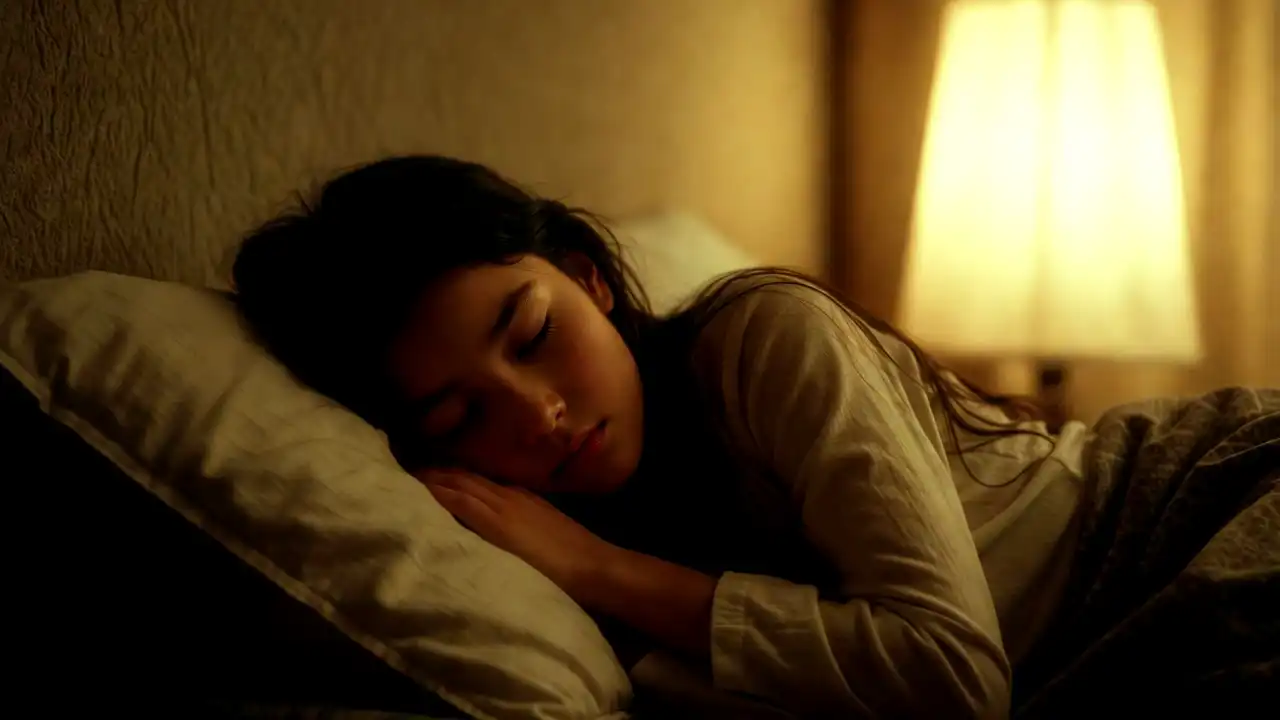
We are living in an epidemic of exhaustion. In our hyper-connected, always-on society, sleep has become the first casualty of our busy lives. We view it as a luxury, a time sink, or something to be traded for productivity and entertainment. We drink caffeine to wake up, alcohol to wind down, and spend our nights scrolling through blue-lit screens that trick our brains into thinking it is high noon. Then, we wonder why we feel anxious, why our immune systems falter, and why we cannot focus.
The foundation of physical and mental health is not diet, and it is not exercise; it is sleep. Sleep is the time when the brain cleanses itself of toxins, when muscles repair, when memories are consolidated, and when emotions are regulated. Without it, the biological machine falls apart. But getting better sleep isn’t just about going to bed earlier. It is about where you go to bed.
For many, the bedroom has become a multipurpose room: a cinema, an office, a dining hall, and a gym. This confusion of purpose destroys the psychological association between the bed and rest. To reclaim your sleep, you must reclaim your space. You must transform your bedroom from a chaotic living area into a Sleep Sanctuary.
A Sleep Sanctuary is a space designed with a singular purpose: to facilitate deep, restorative rest. It is an environment engineered to trigger the biological mechanisms of sleep the moment you cross the threshold.
This comprehensive guide will walk you through the science of environmental sleep factors and provide a step-by-step blueprint to overhaul your lighting, temperature, sound, and habits, turning your bedroom into the ultimate recovery chamber.
The Psychology of Space: Why Environment Matters
Before we move furniture or buy new sheets, we must understand the neuroscience of association. The human brain is a pattern-recognition machine. It looks for environmental cues to determine how to behave and what hormones to release.
If you work in bed, your brain associates the bed with stress, deadlines, and alertness. If you watch action movies in bed, your brain associates the pillows with dopamine and excitement. When you finally try to sleep, your brain is confused. It is revving the engine because the environment signals “activity.”
Creating a Sleep Sanctuary relies on Stimulus Control Therapy. The goal is to strengthen the association between the bedroom and sleep (and intimacy) while weakening the association with everything else. When you walk into a true sanctuary, your heart rate should slow, your shoulders should drop, and your mind should instinctively quiet down.
Phase 1: Mastering the Light (The Circadian Anchor)
Light is the single most powerful “Zeitgeber” (time-giver) for the human body. It tells your master clock—the Suprachiasmatic Nucleus—whether to release cortisol (to wake you up) or melatonin (to put you to sleep). Most bedrooms are far too bright at night.
The Blackout Standard
For optimal sleep, your room should not just be dim; it should be pitch black. Think “cave-like.” Even a small amount of light from a streetlamp or a neighbour’s porch can penetrate your eyelids and disrupt the transition into deep sleep.
- Action Step: Invest in high-quality blackout curtains. Ensure they extend past the window frame to block light leaks at the edges.
- The Travel Fix: If curtains aren’t an option (or you are renting), a high-quality, contoured sleep mask (like a Manta mask) is a non-negotiable tool. It provides total darkness regardless of the room.
The “Junk Light” Audit
Walk into your bedroom at night with the lights off. Look around. Do you see the green glow of a smoke detector? The blue standby light of a TV? The white shine of a power strip?
These tiny LEDs are “light pollution.”
- Action Step: Use “Light Dims” (stickers) or simple electrical tape to cover every single artificial light source. Your room should be dark enough that you cannot see your hand in front of your face.
The Color Temperature Shift
If you must have light in the evening (for reading or getting changed), the type of light matters. Blue light suppresses melatonin. Red and amber light does not.
- Action Step: Replace bedside lamps with “warm” bulbs (2700K or lower). Better yet, use smart bulbs that can turn deep red or orange in the evening. Avoid overhead lighting entirely after sunset; it mimics the sun’s position and tricks the brain into wakefulness.
Phase 2: Thermal Regulation (The Cool Down)
Your body temperature and your sleep cycle are intrinsically linked. For you to fall asleep, your core body temperature must drop by about 2 to 3 degrees Fahrenheit. If your room is too hot, this physiological process is blocked, leading to tossing, turning, and fragmented sleep.
The Magic Number
The National Sleep Foundation recommends a bedroom temperature between 60 and 67 degrees Fahrenheit (15-19 degrees Celsius). This feels chilly to many people when they are awake, but it is essential for hibernation-like rest.
Breathability is Key
Many people trap heat with the wrong bedding. Synthetic fabrics (polyester, microfiber) trap heat and moisture against the skin.
- Action Step: Switch to natural, breathable fibers.
- Percale Cotton: Crisp and cool to the touch.
- Linen: Highly breathable and moisture-wicking, though it has a rougher texture.
- Bamboo/Lyocell: Silky and excellent for temperature regulation.
Advanced Cooling Tactics
If you are a “hot sleeper” (or share a bed with one), the ambient air temperature might not be enough.
- Mattress Choice: Memory foam tends to trap heat. Hybrid mattresses with coils allow for airflow.
- Active Cooling: Consider technologies like the Chilipad or Eight Sleep, which circulate water beneath your sheets to maintain a precise temperature throughout the night.
Phase 3: The Auditory Landscape (Soundproofing)
Sound is a primary cause of “micro-arousals.” Even if a noise doesn’t fully wake you up, it can pull you out of deep sleep (slow-wave sleep) into lighter sleep stages, leaving you feeling unrefreshed in the morning.
The Sound of Silence vs. Colored Noise
Complete silence is elusive and, for some, anxiety-inducing (as every creak of the house becomes audible). The goal is a consistent “sound floor” that masks sudden interruptions.
- White Noise: Static, like a radio. Good for masking, but can be harsh.
- Pink Noise: Deeper, like heavy rain or wind. Often found to be more soothing and effective for deep sleep enhancement.
- Brown Noise: The deepest, rumbly sound, like a distant waterfall. Excellent for calming the anxious brain.
Dampening the Environment
Hard surfaces bounce sound. If your bedroom has hardwood floors and bare walls, it will be echoey and amplify noise.
- Action Step: Soften the room. Add a thick, high-pile rug. Hang heavy curtains (blackout curtains double as sound dampeners). Consider an upholstered headboard. These elements absorb sound waves, creating a hushed, library-like atmosphere.
Phase 4: The Foundation (The Bed)
You spend one-third of your life on your mattress. It is the most important piece of furniture you own. Keeping a mattress past its prime is a recipe for back pain and insomnia.
The Lifespan Rule
Most mattresses have a lifespan of 7 to 10 years. If yours is older, or if you wake up with aches that vanish an hour later, it is time to upgrade.
- Selection: There is no “perfect” mattress for everyone. Side sleepers generally need softer surfaces for pressure relief on hips and shoulders; back and stomach sleepers need firmer support for spinal alignment.
The Pillow Strategy
Your pillow is not just a headrest; it is a neck alignment tool.
- The Gap: The goal is to fill the gap between your head and the mattress so your spine stays neutral.
- Hygiene: Pillows are magnets for dust mites and dead skin. Wash pillowcases weekly, wash the pillows themselves every 3-6 months, and replace them every 1-2 years.
Phase 5: Air Quality and Scent (The Invisible Factors)
We often overlook what we are breathing, but air quality has a direct impact on sleep. Allergens cause congestion, which leads to snoring and mouth breathing—both enemies of restorative sleep.
Filtration and Humidity
- HEPA Filters: A high-quality air purifier is essential, especially if you have pets. It removes dust, pollen, and dander from the air. The “white noise” from the fan is an added bonus.
- Humidity: Dry air parches the throat and nasal passages. In winter, use a humidifier to keep the room between 30-50% humidity.
Aromatherapy as a Trigger
Scent is the sense most strongly linked to memory and emotion. You can use this to Pavlovian-condition your brain for sleep.
- Lavender: Clinically proven to lower heart rate and blood pressure.
- Bergamot or Cedarwood: Grounding and calming.
- The Ritual: Use a specific scent only at bedtime. Over a few weeks, your brain will smell that scent and instinctively know: “It is time to shut down.”
Phase 6: Visual Minimalism (The Psychology of Clutter)
A cluttered room leads to a cluttered mind. If the last thing you see before closing your eyes is a pile of laundry, a stack of unpaid bills, or a messy vanity, you are spiking your cortisol levels.
The “Clean Surfaces” Rule
Visual noise creates subconscious stress. Your bedroom should be the most minimalist room in your house.
- Clear the Nightstand: It should hold a lamp, a book, and a glass of water. Not receipts, hair ties, or loose change.
- Hide the Laundry: Do not keep a laundry hamper in the bedroom if possible. If you must, ensure it has a lid. Seeing dirty clothes reminds you of chores.
- Under the Bed: Keep the space under your bed clear. In Feng Shui (and practical psychology), sleeping on top of “stuff” creates a sense of heaviness and stagnation.
Color Theory
The color of your walls impacts your mood.
- Avoid: High-energy colors like red, orange, or bright yellow.
- Embrace: Cool, receding colors. Sage green, slate blue, dove gray, or calming neutrals. These colors mimic nature and lower the heart rate.
Phase 7: The Digital Detox (The Tech Boundary)
This is the hardest step for modern humans, but it is the most critical. Your Sleep Sanctuary must be a “dumb” room.
Ban the TV
Televisions do not belong in the bedroom. Watching TV in bed conditions the brain to view the bed as an entertainment center. It also introduces blue light and stimulating content right before sleep.
The Phone Charger Relocation
If your phone is within arm’s reach, you will use it. You will scroll when you can’t sleep (which wakes you up more). You will check your email the moment you wake up (which spikes anxiety).
- The Rule: Charge your phone in the kitchen or the living room.
- The Replacement: Buy an old-school alarm clock. Or, if you need wake-up lights, a dedicated sunrise alarm clock (like the Hatch Restore).
If you absolutely must have your phone in the room (for emergency calls), put it in “Do Not Disturb” mode, place it across the room so you have to stand up to turn off the alarm, and turn the screen face down.
Phase 8: The Ritual of Entry
Once the physical space is set, you need a behavioral software upgrade. You need a ritual that bridges the gap between the chaotic day and the peaceful night.
The “Power Down” Hour
Do not try to go from 100 mph to 0 mph in five minutes. Sleep is a transition, not a switch.
- 60 Minutes Before Bed: No more screens.
- 45 Minutes Before Bed: Hygiene (shower, brush teeth).
- 30 Minutes Before Bed: Prepare the environment (turn down thermostat, dim lights, turn on sound machine).
- 15 Minutes Before Bed: Relaxation (read fiction, journal, stretch, or meditate).
The “Brain Dump”
One of the biggest barriers to sleep is the “monkey mind”—the brain reminding you of everything you need to do tomorrow.
Keep a notepad and pen by your bed (not your phone). Before you turn out the light, write down your To-Do list for tomorrow or any worries circling your head.
By writing them down, you are telling your brain: “This is captured. You don’t need to hold onto it anymore.” This allows the mind to release and relax.
Conclusion
Creating a Sleep Sanctuary requires effort. It might require spending some money on curtains or sheets. It definitely requires discipline to declutter and banish phones. But consider the Return on Investment (ROI).
When you sleep well, everything in your life improves. You are more patient with your family. You are sharper at work. You are less likely to get sick. You are better at managing stress. You are happier. By respecting your sleep environment, you are respecting yourself. You are acknowledging that you are not a machine that can run indefinitely without maintenance. You are a biological organism that requires deep rest to thrive.
Tonight, look at your bedroom with fresh eyes. Is it a gym? An office? A theater? Or is it a sanctuary? Make the changes. Reclaim the dark. Cool down the air. And give yourself the gift of the rest you deserve.