
Key Points:
- Sales of electrified vehicles in the Philippines grew by 36.2 percent in the first quarter of 2026, the only segment to grow amid a broader automotive market decline.
- The ongoing geopolitical conflict in the Middle East has pushed projected diesel prices up to 160 pesos per liter, forcing motorists to seek relief from surging fuel costs.
- The Bank of the Philippine Islands reported that its electric vehicle auto loan portfolio reached 12 billion pesos, representing an 18 percent increase in just three months.
- International manufacturers such as China’s BYD and Vietnam’s VinFast are capitalizing on the shift, with VinFast offering trade-in discounts to capture market share.
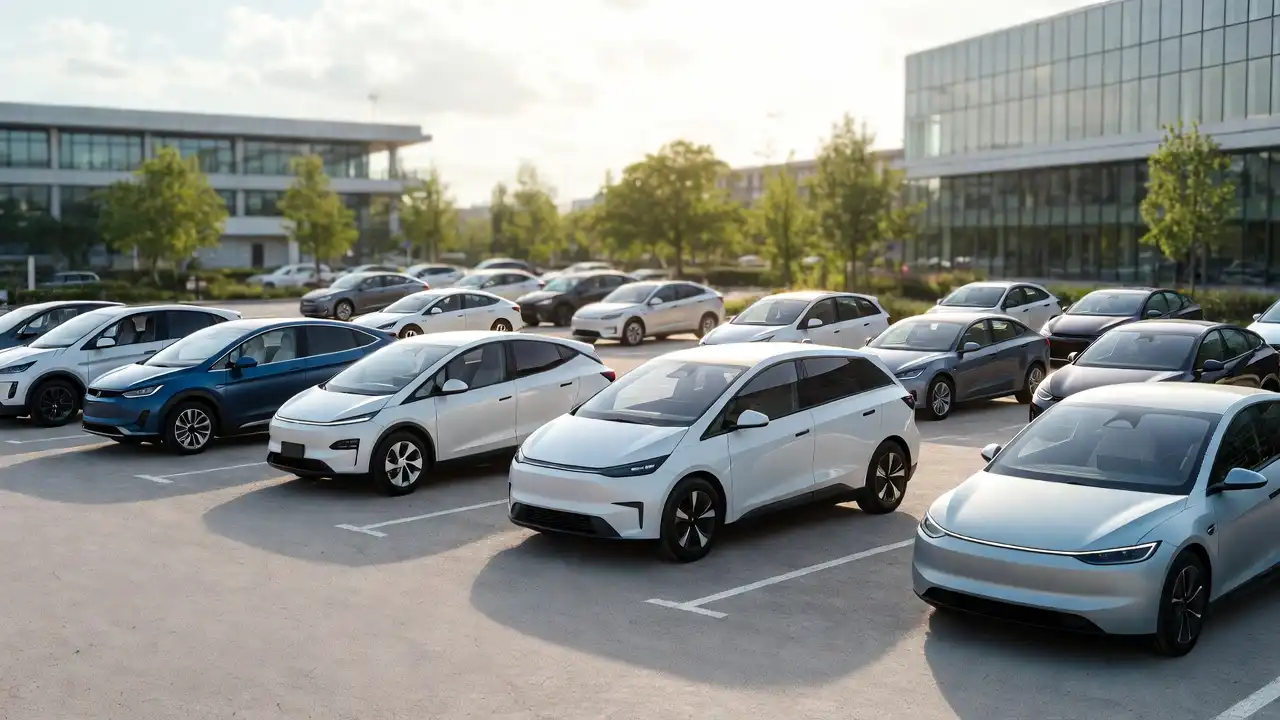
A severe global energy crisis is rapidly transforming the automotive market in the Philippines. As global oil supply shocks linked to the Middle East conflict push pump prices to historic highs, Filipino motorists are quickly abandoning gasoline and diesel-powered cars. Recent data reveal that Philippine EV sales are experiencing an unprecedented surge, serving as a bright spot in an otherwise sluggish retail economy. Faced with an unregulated fuel market and escalating daily transport expenses, a growing number of commuters and commercial fleet operators are turning to hybrid, plug-in hybrid, and fully electric vehicles to protect their household budgets.
The Philippines remains uniquely vulnerable to international oil market shocks because it imports 95 percent of its crude oil. Under a 1998 oil deregulation law, the national government cannot intervene directly in retail fuel pricing, leaving local consumers completely exposed to global volatility. The economic pressure became so severe that President Ferdinand Marcos Jr declared a national state of energy emergency in March 2026, warning of imminent danger to the country’s fuel supply chain. With diesel prices projected to soar to 160 pesos per liter in Metro Manila—where the daily minimum wage for non-agricultural workers stands at just 695 pesos—the cost of operating a traditional car has become unsustainable for many.
This acute financial pressure has dramatically altered buyer behavior, according to the latest joint report from the Chamber of Automotive Manufacturers of the Philippines, Inc. (CAMPI) and the Truck Manufacturers Association (TMA). While the overall automotive market declined by 9.8 percent in the first quarter of 2026 to 105,642 units, sales of electrified vehicles (xEVs) rose 36.2 percent, climbing to 11,800 units compared to 8,664 units in the same period last year. This diverging trend highlights how quickly consumer priorities have shifted away from traditional internal combustion engines toward fuel-saving technologies.
The momentum of electrified vehicles accelerated even further as the oil crisis intensified. By April 2026, electrified vehicles captured an impressive 22 percent of all new-vehicle sales, marking a five-percentage-point increase from the previous month. Within this electrified category, conventional hybrid electric vehicles (HEVs) remained the dominant choice, accounting for 70 percent of xEV sales. Meanwhile, plug-in hybrid electric vehicles (PHEVs) accounted for 23 percent of the market, with sales skyrocketing by 924.6 percent to 1,250 units, as buyers sought the flexible security of both a battery pack and a backup gasoline engine.
This sudden consumer shift has provided a massive boost to the country’s retail banking and auto financing sectors. The Bank of the Philippine Islands (BPI), one of the nation’s largest lenders, reported that high fuel costs have propped up its auto loan book during an otherwise quiet quarter. BPI’s dedicated electric vehicle financing portfolio reached a massive 12 billion pesos (about $205 million) by the end of the first quarter of 2026, representing an 18 percent increase from December 2025. BPI executives noted that Chinese manufacturer BYD drove approximately 50 percent of all new EV financing, cementing its position as a major player in the local market.
Ayala Corporation’s mobility arm, ACMobility, is also capitalizing on this rapid market shift. Under the leadership of President and CEO Jaime Alfonso Zobel de Ayala, the company has secured long-term distribution and dealership agreements with leading global electric brands. The group moved early to establish charging networks and import a diverse lineup of premium electrified vehicles, positioning itself at the absolute forefront of the domestic transition. ACMobility’s rough calculations indicate that the penetration rate of electrified options could exceed 18 percent of their total brand sales by the end of 2026.
The urgent need to escape gasoline costs has also created a highly lucrative opportunity for international electric vehicle manufacturers to gain market share. Vietnamese electric carmaker VinFast launched an aggressive “Trade Gas for Electric” promotional campaign across the Philippines in March 2026. The program targets cost-weary drivers by offering a 3 percent discount on electric cars and a 5 percent discount on electric scooters to anyone trading in a petrol-powered vehicle. To build long-term consumer trust, VinFast has also extended its complimentary public electric charging program across key Southeast Asian countries through 2029.
Commercial transportation networks are likewise turning to electric powertrains to maintain their thin operating margins. Ride-hailing giant Grab Philippines has launched a major electrification drive, integrating hundreds of electric vehicles into its popular GrabTaxi ecosystem. Through its Eco-Drive Initiative, Grab has teamed up with the largest local banks and major automakers, including BYD and Toyota, to offer preferential car loans to its driver-partners. These subsidized financing programs allow taxi operators to transition to green vehicles with lower down payments, shielding them from the daily volatility of the retail fuel pump.
While expensive fuel has created a powerful near-term sales boom, industry experts argue that the transition must receive long-term infrastructure support to remain sustainable. The Philippines still lacks a comprehensive, nationwide fast-charging network, and residential breaker boxes in many older neighborhoods cannot support high-voltage home chargers. Furthermore, the country’s electricity grid still relies heavily on coal and natural gas, meaning the environmental benefits of driving an electric vehicle remain partially limited until more solar and wind projects come online. Recognizing this gap, the central bank raised its benchmark interest rate by 25 basis points to 4.5% in April to help manage energy-driven inflation while supporting clean infrastructure projects.
In the end, the rapid rise of electric and hybrid vehicles in the Philippines shows how physical energy security can reshape consumer technology markets. What began as a niche environmental interest has transformed into a critical tool for economic survival. As more global automakers introduce affordable electric options and the national charging network gradually expands, the shift away from volatile imported petroleum will likely continue to accelerate, paving the way for a more resilient and self-sufficient transportation network across the archipelago.