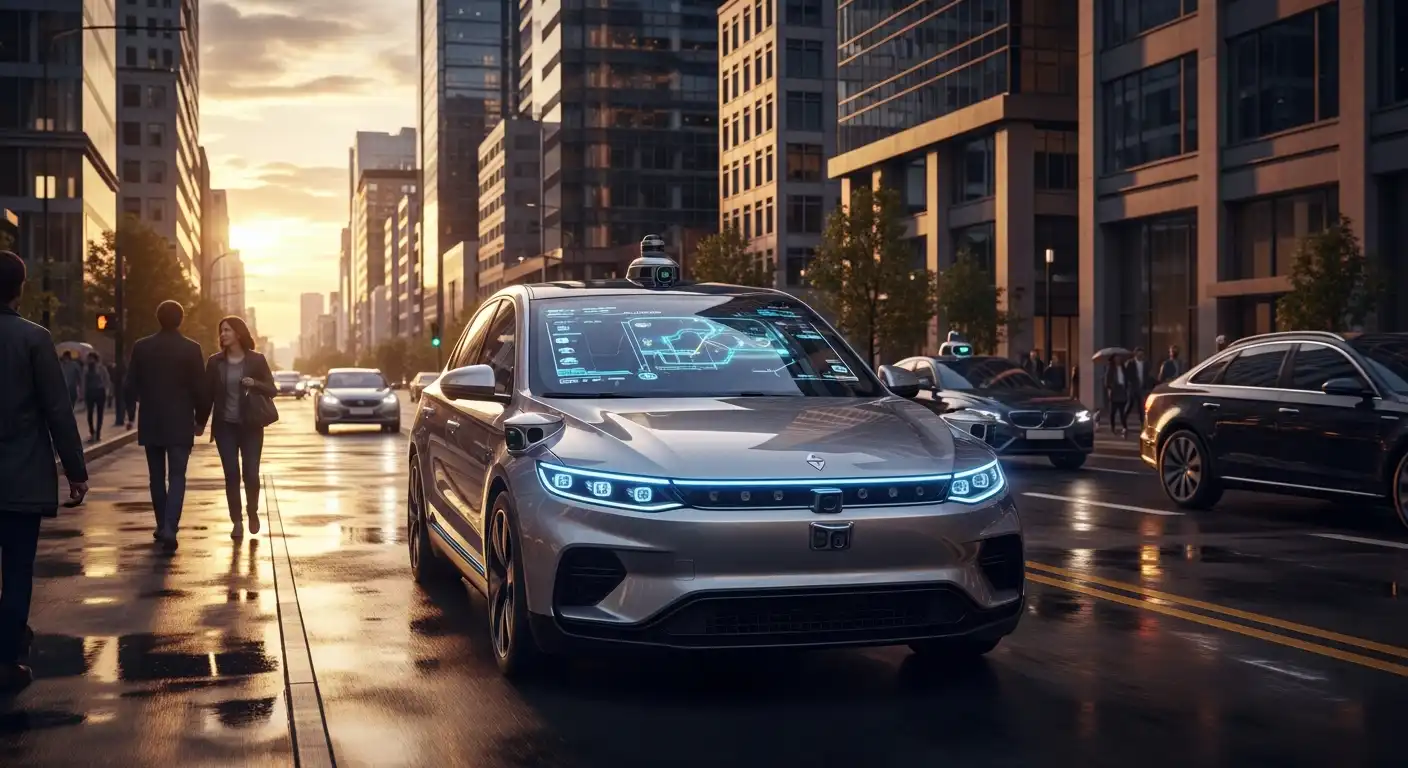
We used to view roads as dumb slabs of concrete. They just sat there while we drove over them. If a traffic light broke or a pothole opened up, we cursed our luck and sat in traffic. But in 2026, the pavement has a brain. The biggest shift in transportation isn’t just the self-driving car; it is the smart infrastructure that guides it. We are no longer driving independent machines. We are moving through a massive, digital network where the street, the stoplight, and the car are in a constant, high-speed conversation.
The End of the Red Light Wait
We have all sat at a red light at 2:00 AM with no other cars in sight. It feels stupid because it is. Smart infrastructure fixes this. In a connected city, the traffic grid knows exactly where every vehicle is. It creates “green waves” that allow autonomous cars to slide through intersections without stopping. The traffic light acts like an air traffic controller, adjusting its timing in real-time. It clears a path for a bus running late or an ambulance in an emergency. We don’t just save time; we save the fuel we used to burn while idling.
Seeing Around Corners
Even the best autonomous car has a blind spot. It can only see what its cameras and sensors can hit. But a smart streetlamp sees everything. It watches the sidewalk and the alleyway. If a child chases a ball out from behind a parked truck, the streetlamp broadcasts a warning signal to every car on the block before the child even steps off the curb. The infrastructure lends its eyes to the vehicle. This “Vehicle-to-Infrastructure” communication (V2I) gives cars a sixth sense, allowing them to brake for dangers they cannot physically see yet.
Speed Limits That Actually Make Sense
Metal signs on the side of the road are obsolete. In the past, the speed limit was 45 mph whether it was a sunny Tuesday or a snowy Friday night. Now, digital infrastructure sets dynamic limits. If it starts to rain or traffic gets heavy, the road tells the car to slow down to 35 mph to prevent accidents. If the road is clear and dry, it might allow speeds to bump up to 55 mph. The car obeys these digital commands instantly. We stop treating speed limits as suggestions and start treating them as flexible safety tools.
The Parking Spot Hunts You
The most wasteful part of driving is circling the block looking for a parking space. Smart garages have ended this ritual. You step out of your vehicle at the entrance, and the building takes over. Sensors in the floor guide your car to the nearest open slot. It fits cars closer together because no one needs to open the doors to get out. When you need to leave, the building retrieves your car and delivers it to the door. We reclaim hours of our lives simply by removing the hunt for a slice of asphalt.
Roads That Report Their Own Injuries
Potholes used to grow into craters because the city didn’t know they were there until someone complained. Now, the suspension systems of autonomous cars act as a survey team. When a car hits a bump, it tags the location and severity of the impact. It uploads this data to the city maintenance cloud. If ten cars hit the same bump, the system automatically dispatches a repair crew. We fix the road while the crack is small and cheap to repair, keeping the ride smooth and saving tax dollars.
The Risk of a Hacked Highway
Connecting our physical world to the internet brings a terrifying new danger. If a hacker gets into the traffic control system, they could turn every light green at once or shut down a major highway. We cannot just build smart roads; we must build secure ones. This requires a “zero trust” security model where every signal between a car and a traffic light is encrypted and verified. If the internet goes down, the cars must be smart enough to revert to basic safety rules instantly. We cannot trade safety for convenience.
Conclusion
The era of the smart city turns transportation into a team sport. The autonomous vehicle is the player, but the infrastructure is the coach calling the plays. This partnership removes the friction from our daily commute, making it safer, faster, and cleaner. We aren’t just paving roads anymore; we are installing the operating system for the physical world.