Key Points:
- The U.S. Trade Representative initiated a major investigation into 16 trading partners, including China, Japan, and the EU.
- This move uses Section 301 of the Trade Act of 1974 to identify and address “unfair” trade practices.
- The investigation seeks to uncover evidence of structural excess capacity and persistent trade surpluses.
- The administration launched this probe to rebuild its tariff policy after the Supreme Court struck down previous measures.
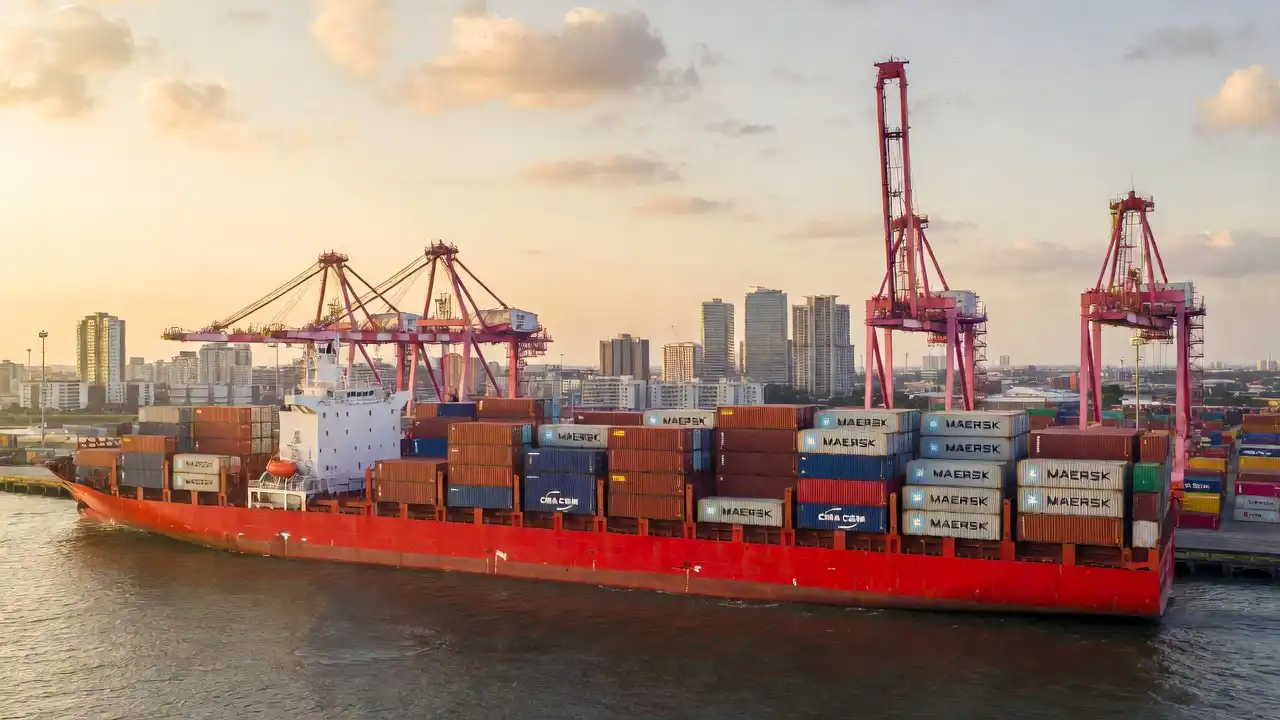
The Trump administration opened a significant new front in its trade policy on Wednesday. U.S. Trade Representative Jamieson Greer announced a formal investigation into 16 economies, including China, Japan, South Korea, India, and the European Union. The probe aims to uncover unfair trade practices related to what the White House calls “structural excess capacity and production.” This maneuver positions the administration to potentially impose a new wave of tariffs following the Supreme Court’s recent decision to strike down the president’s previous emergency tariff program.
Greer explained during a press call that the administration believes these trading partners have built up manufacturing capacity far beyond what global demand requires. According to the USTR, this misalignment leads to persistent trade surpluses, underutilized factories, and an imbalance that hurts the United States. The probe will examine policies that keep production levels “detached from market demand,” such as government subsidies, suppressed wages, and non-commercial activities by state-owned enterprises.
The administration also plans to look into market barriers that block American exports, inadequate labor or environmental protections, subsidized lending, and currency manipulation. By using Section 301 of the 1974 Trade Act, the U.S. government can investigate these foreign practices on a country-by-country basis. This legal path offers the administration a more tailored way to respond to specific grievances compared to the blanket tariffs previously voided by the high court.
The investigation process promises to be public and transparent, according to Greer. The U.S. government will open a docket for written comments around next Tuesday, with a deadline for submissions set for April 15. Following that, officials plan to hold public hearings on or around May 5. Once the committee reviews all evidence, hears from stakeholders, and consults with the trading partners involved, it will propose responsive actions. These could range from new tariffs and service fees to fresh bilateral negotiations.
Beyond the investigation into excess capacity, the administration announced a second Section 301 probe focused on human rights and labor standards. This upcoming inquiry will examine whether other countries are effectively banning imports of goods made with forced labor. It will also review whether trading partners have implemented similar enforcement measures to those used by the United States.
This two-pronged strategy highlights the administration’s determination to rebuild its tariff wall piece by piece. Officials have repeatedly signaled their intention to address concerns like pharmaceutical pricing, digital trade discrimination, and the treatment of U.S. technology companies. By widening the scope of these investigations, the White House is signaling to the world that it intends to aggressively reshape the rules of global commerce, regardless of recent judicial setbacks.
The list of affected economies is extensive, covering key U.S. allies and competitors alike: South Korea, China, India, Japan, the European Union, Singapore, Switzerland, Norway, Indonesia, Malaysia, Cambodia, Thailand, Vietnam, Taiwan, Bangladesh, and Mexico. For these nations, the coming months will involve a high-stakes process of defending their domestic economic policies before a U.S. committee that has already expressed significant skepticism toward their trade records.