Key Points:
- Nissan officially canceled its plans to manufacture fully electric vehicles at its Canton, Mississippi, assembly plant.
- The Japanese automaker blames the decision on slowing consumer demand and the expiration of a $7,500 government tax break.
- Instead of building new battery-powered cars, the Mississippi factory will increase the production of traditional vehicle models.
- Nissan will pivot its strategy to offer more hybrid vehicles to stay competitive in a highly unpredictable market.
Nissan Motor Company has officially decided to scrap its ambitious plan to build electric vehicles inside the United States. The Japanese automaker announced a major shift in strategy on Friday, citing a noticeable slowdown in consumer demand across the American automotive market. A significant factor driving this sudden drop in buyer interest is the recent expiration of a lucrative government tax break. For years, buyers relied on a $7,500 tax credit to offset the high sticker prices of battery-powered cars. Without that crucial financial incentive, everyday buyers are actively hesitating to make the switch.
Despite pulling the plug on local electric vehicle manufacturing, the company insists it is not walking away from American drivers. An official company spokesperson stated that Nissan remains fully committed to the United States. The automaker still views the country as a primary lead market and a vital foundation for stable returns and sustained financial growth over the next decade. However, the physical path to that growth will look very different than what executives originally pictured just a few years ago.
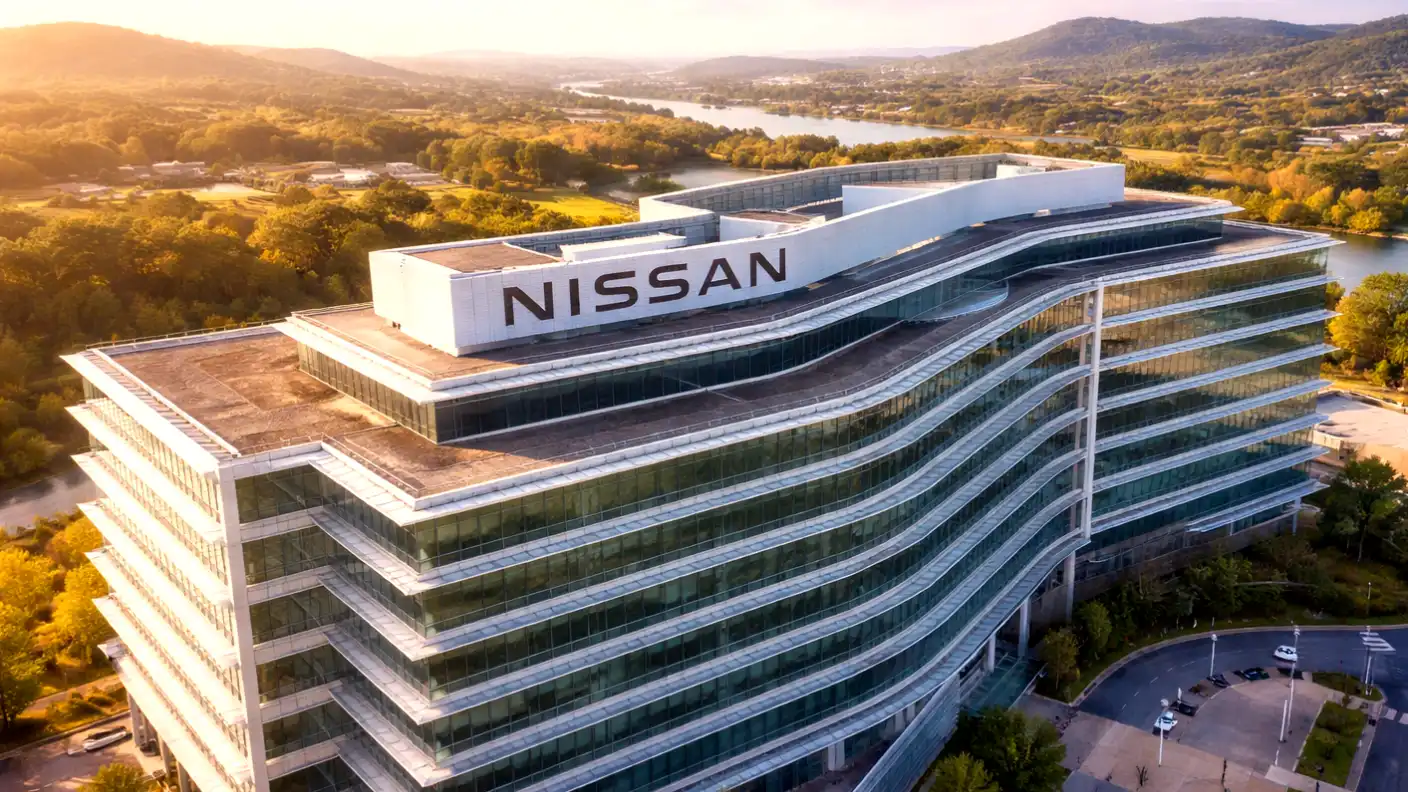
The most immediate and severe impact of this decision falls on a massive manufacturing facility in Canton, Mississippi. Nissan recently contacted its vast network of United States auto parts suppliers to explain the sudden change in direction. The company formally informed these essential partners that it will cancel all planned electric-vehicle production at the Canton plant. Instead of building battery-powered cars as originally promised, factory workers will now increase the production of other traditional vehicle models to keep the assembly lines moving and protect local jobs.
This sudden pivot highlights a much broader problem hidden within the company. The original production strategy for the United States centered heavily on launching multiple new electric vehicle models in rapid succession. However, that grand vision has completely stagnated over the past year. Engineers and designers faced severe delays in product development, making it incredibly difficult to get new cars ready for the factory floor. The company simply could not bring its electric concepts to reality fast enough to capture the eager market.
Clear signs of trouble actually appeared long before this latest announcement. Last year, Nissan management admitted it had to give up on producing a new compact electric vehicle at the same Mississippi plant. That initial cancellation was the first major crack in the plan to turn the southern facility into a central hub for American electric-vehicle production. Now, the entire electric vision for the factory has been completely swept away in favor of safer, proven vehicle designs.
Automakers across the globe are currently dealing with a highly unpredictable retail market. Everyday consumers show growing frustration with high sticker prices, expensive auto loan interest rates, and a severe lack of reliable public charging stations. When the federal government removed the tax breaks that had made electric cars somewhat affordable, many interested buyers simply walked out of dealerships. Nissan looked directly at these harsh market conditions and decided that pushing forward with expensive electric-vehicle factories posed way too great a financial risk.
During a special corporate briefing in April, Nissan executives outlined a brand-new long-term vision for the company. They told impatient investors that the automaker would adopt a much more flexible approach to electric-vehicle investments in the United States. Instead of rushing to build new battery factories, the company plans to sit back and closely monitor shifting consumer demand trends. Executives also want to watch exactly how government policies change before committing massive amounts of money to new manufacturing projects.
To survive this turbulent economic period, Nissan plans to heavily narrow down its overall vehicle lineup. Offering fewer, better-selling models naturally reduces manufacturing costs and greatly simplifies the global supply chain. At the same time, the company will dramatically expand its internal powertrain options. Instead of forcing nervous customers to buy fully electric cars, local dealerships will heavily promote hybrid vehicles. Hybrids offer a safe and comfortable middle ground, giving drivers much better fuel economy without the deep anxiety of running out of battery power on a long family road trip.
Shifting the corporate focus directly to hybrid vehicles represents a massive change in the daily production schedule. The Canton plant will likely require new assembly line tooling and entirely different parts from suppliers to accommodate these complex hybrid engines. While the aggressive move helps boost the brand’s immediate competitiveness, it severely delays the dream of an all-electric future.
For now, Nissan will rely heavily on its traditional gasoline trucks, family sedans, and upcoming hybrid models to win over American consumers. The tough decision to cancel local electric-vehicle production serves as a harsh reality check for the global auto industry. It proves that even massive international companies must adapt quickly when consumer shopping habits change, and government money dries up.