Key Points:
- Australian small businesses face severe legal warnings over viral, AI-generated memes of Prime Minister Anthony Albanese.
- The “AI Albo” campaign protested new capital gains tax reforms that could tax up to 47% of a business’s final sale payout.
- Legal experts warn that while using AI likenesses is not automatically illegal, implying an endorsement violates consumer protection laws.
- Corporations breaching the Australian Consumer Law face massive penalties of up to $100 million or 30% of their annual turnover.
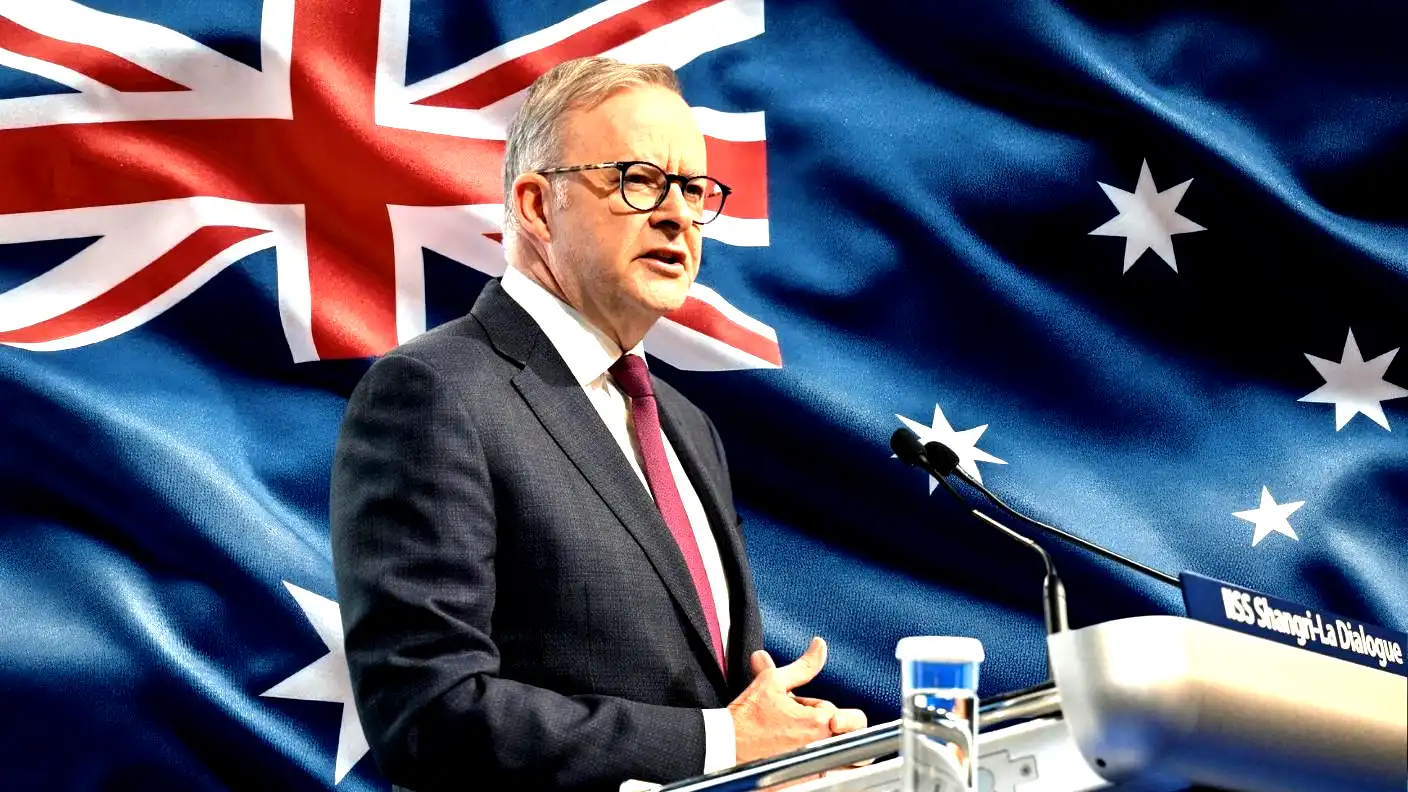
A viral social media trend has landed Australian small-business owners and tech startup founders in hot water. To protest the latest federal budget, local entrepreneurs have populated platforms like Instagram and LinkedIn with highly realistic, AI-generated images of Prime Minister Anthony Albanese. The memes jokingly dub Albanese as a “co-founder” or a “47% shareholder” in their firms. While the campaign has quickly gone viral, legal experts warn that these humorous posts expose business owners to significant legal and financial liability.
These tax changes significantly affect startups and small businesses, as founders who have spent years building a company now face the prospect of giving up to 47% of their final exit payout to the government. The budget scrapped the long-standing 50% capital gains tax (CGT) discount, replacing it with an inflation-indexed model paired with a 30% minimum tax rate on net capital gains. Entrepreneurs argue that this success tax heavily discourages risk-taking and kills the incentive to build innovative startups in Australia.
To illustrate this burden, business owners used generative AI tools to place the Prime Minister in their everyday operations. Julian Fayad, the founder and chief executive of broker fintech LoanOptions.ai, posted tongue-in-cheek images of Albanese sleeping at his company’s office desk and celebrating with his staff. Similarly, Jacques Greeff, the founder of the communication application Kinso, posted AI-generated photos of the Prime Minister coding software with employees and working with customers, captioned with jokes about Albanese enjoying his new equity stake.
While the Prime Minister chose to laugh off the trend, thanking the tech community for the “very flattering” photos, lawyers are urging extreme caution. Charlotte Hale, the disputes practice leader at LegalVision, explained that while using an AI-generated image of a politician is not automatically illegal in Australia, the legal risk begins when a post implies an official endorsement. If a commercial post creates the false impression that a public figure supports, approves, sponsors, or has visited a business, the business owner enters a dangerous legal minefield.
The Australian Competition and Consumer Commission (ACCC) enforces strict rules against misleading advertising. Under Australian Consumer Law, any social media post, image, or testimonial that creates a false overall impression is misleading, regardless of whether the business owner intended to deceive customers. If an average consumer believes that the Prime Minister actually visited a local business or endorsed a specific commercial product, the business has violated federal consumer protection standards.
The penalties for breaching these standards are incredibly severe. Under current laws, corporations that breach the Australian Consumer Law can face fines of up to $100 million or 30% of their adjusted annual turnover, whichever is greater. Individual business owners are not immune either, facing personal penalties of up to $2.5 million. On top of these regulatory fines, businesses could face costly claims under common law passing off, defamation, or regional privacy laws.
A similar legal crisis occurred earlier when small local cafes posted highly realistic, AI-generated images of Prince Harry and Meghan Markle “visiting” their premises during a regional tour. Even though those business owners intended the posts as a joke, legal analysts warned that some viewers believed the visits actually happened. The commercial nature of the posts, combined with the lack of disclosure, crossed the legal threshold. This precedent demonstrates that judges do not view “just having a laugh” as a valid defense when commercial interests are involved.
To avoid costly court proceedings and ruinous fines, legal experts advise businesses to label any AI-generated content clearly. Obvious parodies, political commentary, or satire are less likely to trigger legal action, provided they do not promote a specific commercial product. However, Hale warned that disclaimers are not a magical cure-all. If the overall visual impression remains misleading to the average viewer, a simple text disclaimer will not shield a business from a $100 million consumer law lawsuit.