Key Points:
- South Korea’s manufacturing business outlook index (PSI) jumped to 107 in June 2026, returning to positive territory.
- The critical semiconductor chip sector led the economic optimism, with its industry outlook rising from 150 to 156.
- Displays, automobiles, machinery, and bio-health sectors also reported significant gains in corporate confidence.
- In contrast, the shipbuilding and steel confidence indices declined notably by 7 and 24 points, respectively.
South Korea’s manufacturing sector has snapped a multi-month slump, with business confidence returning to positive territory for the first time in three months. According to a new industry poll released on Monday, May 25, 2026, by the Korea Institute for Industrial Economics & Trade (KIET), the professional survey index (PSI) for the manufacturing sector’s outlook jumped to 107 for June. This marked a notable improvement over the May score of 95, signaling that optimists once again outnumber pessimists in Asia’s high-tech manufacturing hub.
The PSI serves as a critical leading indicator of South Korea’s industrial performance. A reading above the benchmark 100 mark indicates that a majority of surveyed executives and market experts expect business conditions to improve, while a figure below 100 suggests the opposite. The index had languished below the threshold for April and May as the country grappled with skyrocketing shipping costs and energy-driven inflation. The rebound for June indicates that businesses are successfully adapting to these macroeconomic pressures.
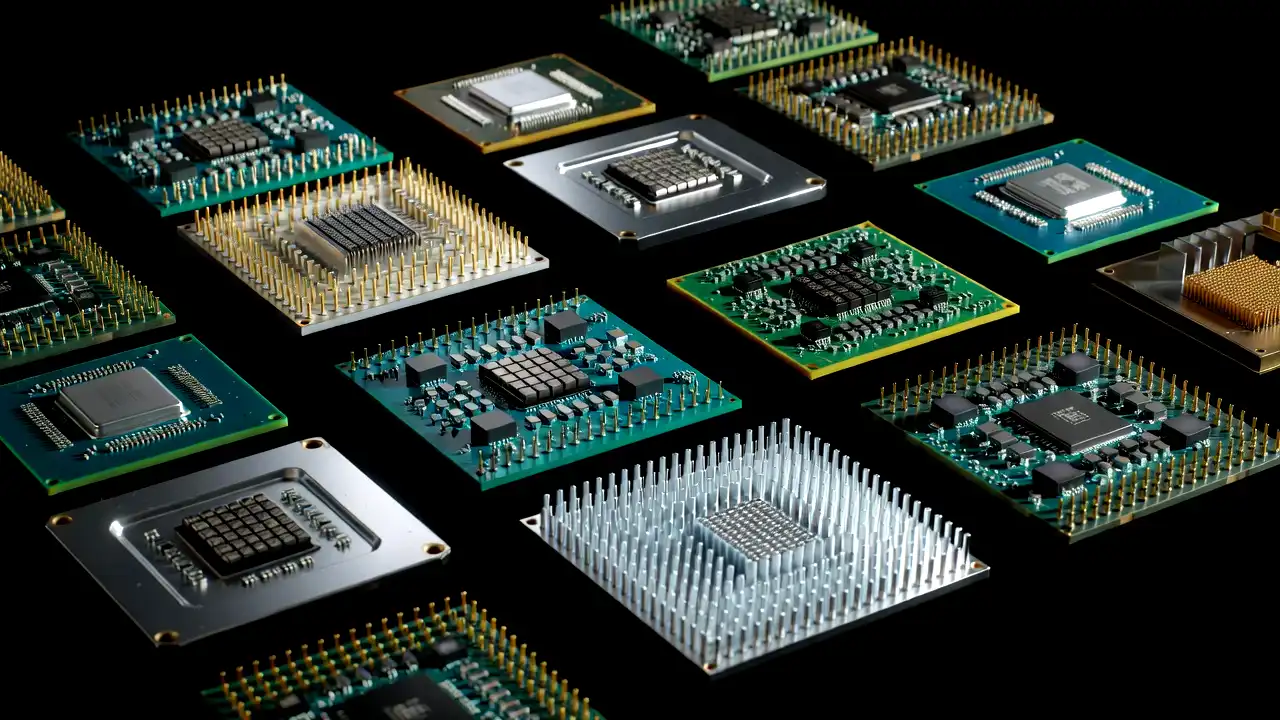
Unsurprisingly, the highly lucrative semiconductor sector remains the primary engine of this economic turnaround. The business outlook index for the chip industry reached an impressive 156 for June, up from the already strong 150 estimated for May. This high score reflects an insatiable global appetite for high-bandwidth memory (HBM) and next-generation artificial intelligence (AI) hardware. As global tech giants continue to invest billions of dollars in AI data centers, South Korea’s memory makers are enjoying record-breaking demand and widening profit margins.
This technological optimism is spreading to several other high-tech and industrial fields. Companies operating in the display, automobile, machinery, and bio-health sectors also reported significantly improved business sentiment for June compared to the previous month. The rollout of advanced vehicle technologies and new organic light-emitting diode (OLED) displays has enabled local manufacturers to secure higher-margin contracts, offsetting rising raw material and global transport costs.
However, not all sectors of the South Korean economy shared in the June recovery. Heavy industries such as shipbuilding and steel experienced notable declines in confidence. The outlook for shipbuilding slipped 7 points to settle exactly at the neutral 100 threshold. Meanwhile, the steel sector suffered a far steeper decline, plummeting 24 points to reach 122 for June. Global oversupply, rising iron ore costs, and intense competition from regional rivals have placed heavy pressure on these traditional manufacturing segments, dragging down their outlooks.
The poll also revealed persistent weakness in consumer-facing and traditional manufacturing segments. The PSI readings for the mobile phone and textile sectors remained firmly below the positive threshold, coming in at 80 and 93, respectively. While premium smartphone models continue to perform well, the broader mobile market has faced saturated consumer demand and longer upgrade cycles. Similarly, the local textile industry is struggling to compete with lower-cost manufacturing hubs in Southeast Asia, which are capturing a larger share of the global market.
This overall manufacturing rebound comes as a massive relief to trade officials in Seoul, who have watched Middle East geopolitical tensions with growing concern. Since South Korea imports virtually all of its crude oil, the recent war-driven energy spikes threatened to trigger a severe domestic economic slowdown. However, early signs of diplomatic progress in the Middle East have helped reduce Brent crude prices by over 5%, easing pressure on corporate profit margins and encouraging local manufacturers to resume expansion plans.
As South Korea heads into the second half of the year, the strong rebound in manufacturing confidence bodes well for its export-driven economy. While traditional segments like shipbuilding and textiles face prolonged structural challenges, the country’s dominance in advanced technology—specifically AI chips and displays—remains its greatest competitive advantage. By leveraging this technological leadership, South Korea is building a resilient, high-value manufacturing economy capable of navigating both geopolitical shocks and shifting global market trends.