Key Points:
- Major stock indexes dropped on Thursday as President Donald Trump expressed doubts about a peace deal with Iran.
- Global oil prices surged above $100 a barrel as the critical Strait of Hormuz remained closed to commercial shipping.
- Israel claimed responsibility for a military strike that killed an Iranian naval commander accused of placing underwater sea mines.
- Memory chip stocks fell sharply following a new Google software announcement, while Salesforce shares climbed exactly 2.6%.
Stock markets took a noticeable hit on Thursday morning. Investors reacted nervously after President Donald Trump shared new doubts about a potential peace agreement with Iran. The confusing messages from the White House caused wild trading sessions across Wall Street. People bought stocks one day and sold them the next as they tried to guess how the overseas war would end. By the late morning, the S&P 500 index fell 0.7% to reach 6,547.16 points. The technology-heavy NASDAQ Composite dropped a full 1% down to 21,712.66 points. Meanwhile, the Dow Jones Industrial Average slipped slightly by 0.2% to settle at 46,355.30 points.
Just one day earlier, stock prices climbed as traders hoped the United States and Iran would talk peace. Reports suggested that Iranian leaders secretly signaled they wanted to negotiate. Rumors even spread that Vice President JD Vance might travel to Pakistan this weekend to start formal peace talks. However, Trump crushed those hopes on Thursday. He posted on social media that the Iranian negotiators acted strangely. He claimed that Tehran actually begged the United States to make a deal and end the month-long war.
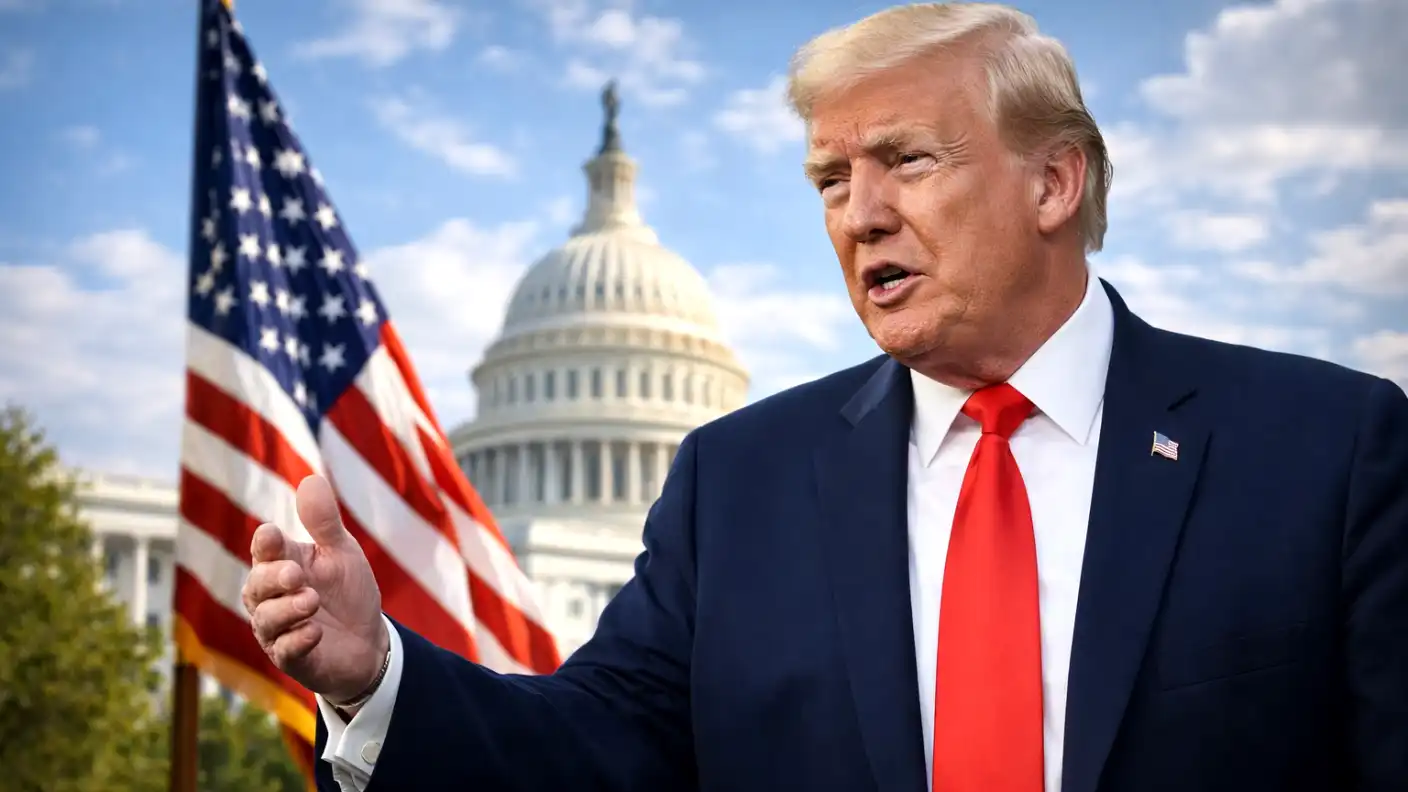
Later in the day, Trump spoke at a formal Cabinet meeting and repeated his claims. He told his staff that Iran desperately wants a deal. However, the president said he does not know whether his team can reach an agreement or even wants one. He stated that Iran should have agreed to the terms 4 weeks ago. These aggressive comments pushed the two countries further apart. To make matters worse, the Pentagon recently began deploying more ground troops to the Middle East.
The ongoing chaos pushed energy prices significantly higher. Traders scrambled to buy oil as the war showed no signs of stopping. The global benchmark, Brent crude, jumped 4.9% to hit $107.20 a barrel. At the same time, United States West Texas Intermediate crude futures gained 3.6% and reached $93.59 a barrel. These high fuel costs create massive problems for the global economy. Experts worry that an energy shock will drive up prices at the local grocery store. If inflation returns, central banks might have to raise interest rates again to slow down consumer spending.
Behind the scenes, diplomats still try to find a solution. Iran currently reviews a 15-point peace proposal from the United States. A local news agency in Iran reported that the country had already sent its official response back to Washington. Despite this progress, the White House continues to threaten massive military action. Press Secretary Karoline Leavitt warned reporters that Trump never bluffs. She said the president stands ready to drop more bombs if Iran refuses the deal. However, insiders told reporters that Trump privately wants to end the war quickly before his planned trip to China in May.
The physical war zone remains incredibly dangerous. The Strait of Hormuz remains completely closed to commercial ships. This small waterway normally handles about 20% of the world’s oil and natural gas shipments. Traders refuse to send ships through the area because they fear Iranian missile attacks and hidden sea mines. On Thursday, Israeli Defense Minister Israel Katz announced a major military victory. He said Israeli forces killed Alireza Tangsiri during a midnight strike. Tangsiri commanded the Iranian Revolutionary Guard Navy. Katz directly blamed him for planting the sea mines that currently block the vital shipping lane.
The stock market also reacted to massive shifts in the technology sector. Companies that build computer memory chips suffered heavy losses. Earlier in the week, Google researchers announced a brand new data compression algorithm. This new software requires much less memory to run complex artificial intelligence programs. As a result, investors panicked and sold their shares in major memory companies. Stock prices for Micron Technology, Western Digital, Seagate, and SanDisk all dropped between 3% and 6% during the trading session.
While memory companies struggled, other software businesses enjoyed a great day on Wall Street. Salesforce saw its stock price climb a solid 2.6%. This gain helped keep the Dow Jones Industrial Average from falling even further. The company scored a major victory with the United States government. The Department of Labor recently updated its national contact center using Salesforce technology. The government agency launched a new artificial intelligence tool to help American workers and retirees find automated answers to their daily questions.