Key Points:
- Two senior United States officials claim SMIC actively sends advanced chipmaking equipment to the Iranian military.
- The secret hardware transfers started roughly 1 year ago and likely include hands-on technical training for Iranian forces.
- This development seriously complicates the month-old conflict that began on February 28 between the United States, Israel, and Iran.
- Washington previously placed SMIC on a strict trade blacklist in 2020 and tightened export restrictions again in 2024.
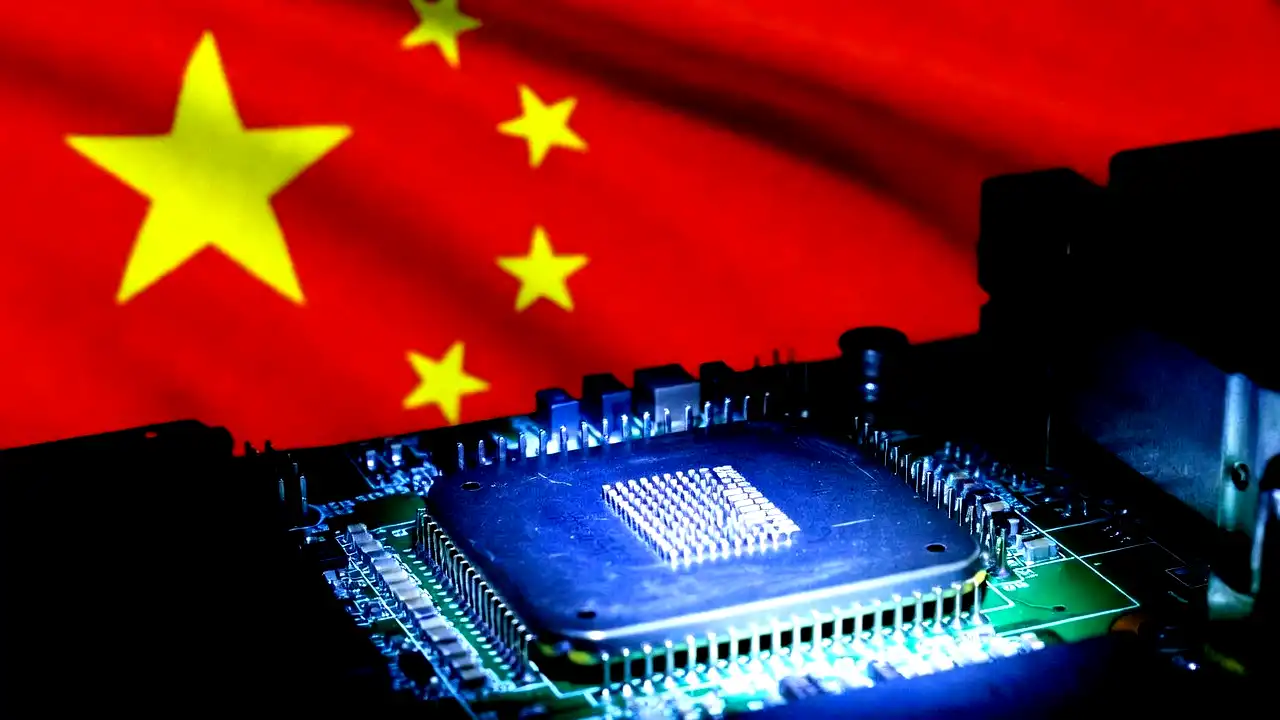
Two senior officials from the Trump administration recently shared concerning news about international technology transfers. They claim that China’s largest chipmaker, SMIC, actively sends advanced chipmaking tools directly to the Iranian military. This alarming revelation raises serious questions about exactly where Beijing stands in the ongoing war involving the United States, Israel, and Iran. The conflict just reached its 1-month mark, and this new technology pipeline adds a dangerous layer to an already volatile situation.
The secret supply chain did not happen overnight. According to a government official, SMIC began sending these hardware tools to Iran roughly 1 year ago. The official noted that the United States government has absolutely no reason to believe these shipments have stopped.
Furthermore, the collaboration almost certainly involves deep technical training. SMIC engineers likely teach Iranian forces exactly how to operate this highly complex semiconductor technology.
The officials shared this sensitive information strictly on the condition of anonymity so they could discuss undisclosed government intelligence. They refused to confirm if the transferred tools originated inside the United States. If the hardware does contain American parts, the shipments directly violate strict United States economic sanctions. Supplying the Iranian military-industrial complex enables Tehran to manufacture advanced electronics and weapon systems during an active war.
Journalists immediately reached out to the involved parties for a clear explanation. SMIC, the Chinese Embassy in Washington, and a spokesperson for the Iranian mission to the United Nations all ignored immediate requests for comment. Despite this official silence, the Chinese government repeatedly maintains that it only conducts normal commercial trade with Iran. SMIC also strongly denies any ongoing allegations that it works directly with the Chinese military-industrial complex.
Publicly, China tries to project a neutral image regarding the chaotic conflict in the Middle East. Chinese Foreign Minister Wang Yi spoke this week and urged all fighting parties to seize any opportunity to start peace talks as soon as possible. However, the actions on the ground tell a slightly different story. Last month, reporters discovered that Iran had almost finalized a massive deal to buy anti-ship cruise missiles directly from China. This missile deal happened exactly when the United States deployed a massive naval fleet near the Iranian coast.
The United States and Israel officially launched the current war against Tehran on February 28. Over the past month, the heavy fighting has completely roiled global financial markets. The violence triggered a massive surge in global oil prices and fueled intense fears about worldwide inflation.
Experts still do not know exactly what role these Chinese chipmaking tools play in Iran’s military response to the ongoing attacks. However, modern warfare heavily relies on computer chips to guide missiles, launch drones, and operate radar systems.
Washington holds a long and bitter history with SMIC. The United States government actively tries to choke off China’s advanced chip industry to protect American national security. In 2020, officials added SMIC to a strict trade blacklist. This legal move prevented the Chinese company from accessing advanced manufacturing equipment sold by leading American suppliers such as Lam Research, KLA, and Applied Materials.
The technology war escalated even further quite recently. The Biden administration tightened its grip on SMIC in 2024. Officials completely cut off the company’s most advanced factory from receiving any more United States imports. The government made this harsh move right after SMIC successfully produced a highly sophisticated processor for the Huawei Mate 60 Pro smartphone. Now, with SMIC allegedly arming the Iranian military, trade and diplomatic tensions between Washington and Beijing will undoubtedly reach a boiling point.