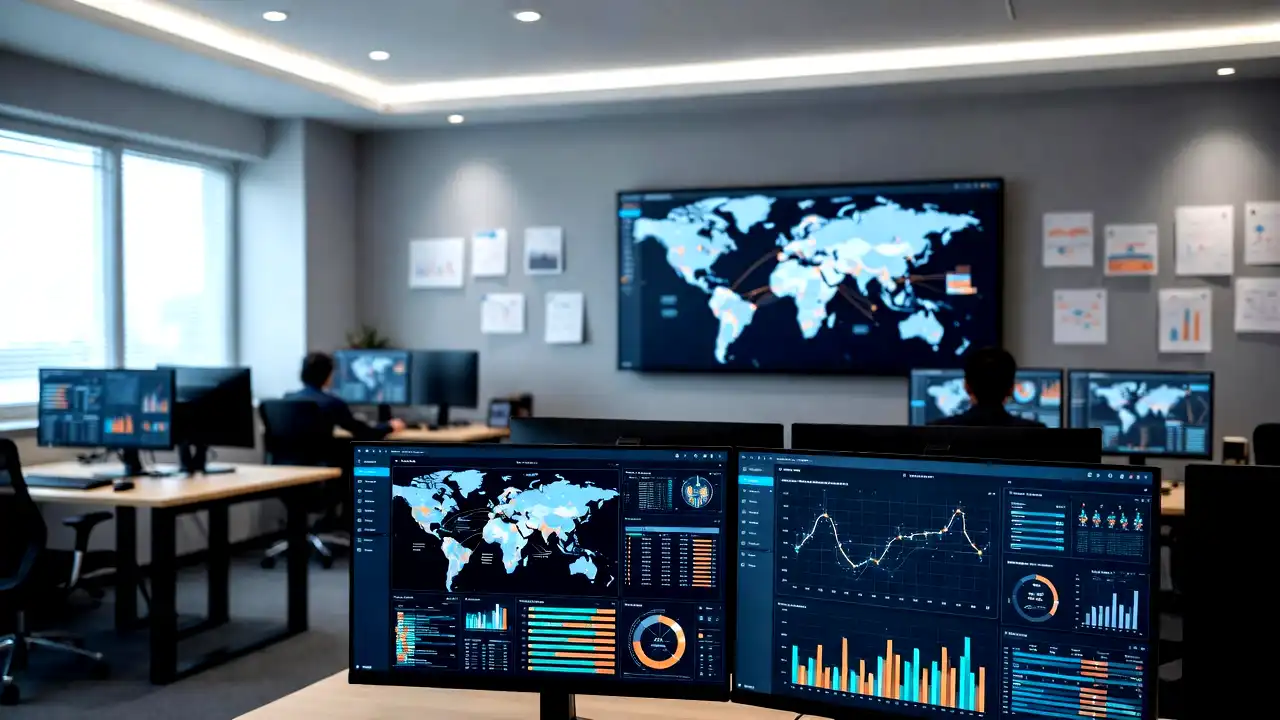
The story of human progress tells a tale of connection. For centuries, we moved goods across vast oceans and dangerous mountain passes using wooden ships and tired pack animals. We relied on physical maps and local trust to build our markets. Today, that old map has vanished. We live in a world where a digital thread ties every factory, port, and warehouse into one single, massive network. Global trade no longer just moves physical items; it moves information about those items at the speed of light. This digital integration fundamentally transforms how we create wealth, how we bridge the gap between distant nations, and how we manage the very fragile planet we all share.
The Death of the Invisible Supply Chain
We once treated the supply chain like a giant, mysterious black box. You ordered a product from a store and simply hoped it would arrive. You had no idea who made it, where it sat, or why it took three weeks to reach your door. That era of mystery has ended. A digitally integrated market demands total visibility. Every pallet, every shipping container, and every individual component now carries a digital passport. This passport tracks the movement, temperature, and origin of goods in real-time. If a problem occurs—like a sudden storm or a labor strike—the entire global system reacts instantly. We no longer hope for the best; we track the truth.
Making the World Smaller through Digital Efficiency
Trade always carried a high cost. We wasted time on paperwork, lost cargo at inefficient ports, and burned extra fuel because we lacked better data. Digital integration acts as a powerful grease for the gears of the world economy. Automated customs platforms now process declarations in seconds rather than days. Smart ports use AI to manage crane movements, ensuring that ships spend less time docked and more time on the waves. By removing this friction, we make trade cheaper and faster. We essentially make the world smaller, allowing a small farmer in one hemisphere to reach a hungry customer in another without needing a massive army of middlemen.
The New Power of Global Data Analytics
The most successful companies today do not just move heavy steel; they move deep insight. Global trade networks now feed massive amounts of data into predictive models. We track global demand, local crop yields, and emerging fashion trends simultaneously. This data-first approach allows companies to ship the right goods to the right places before the local customers even realize they want them. We stop overproducing goods that end up in the trash. We align the heartbeat of global supply with the actual needs of local demand. Information now acts as the primary driver of international commerce, replacing the old, wasteful practice of guessing.
Powering the Rise of the Small Entrepreneur
For decades, international trade felt like a private club for giant corporations with massive fleets and endless legal departments. If you owned a small shop, you could never hope to export your goods to a different continent. Digital platforms changed these rules entirely. A small artisan can now list their handmade goods on a global marketplace, handle payments through a digital wallet, and ship their items using a logistics network that integrates directly with their laptop. We see a historic shift where digital platforms lower the barrier to entry. This invites millions of small entrepreneurs into the global arena, creating a more diverse and vibrant market than we have ever seen before.
The Critical Need for Cybersecurity
We built a world where our food, medicine, and energy all flow through digital channels. This massive convenience creates a massive target. If a hostile group hacks the digital heartbeat of a major global shipping hub, they can starve an entire region. Our dependence on digital integration forces us to treat cybersecurity as a primary national security priority. We must build networks that think for themselves, detecting and blocking attacks before the bad actors can disrupt the flow of essential goods. We cannot build a truly integrated market without an impenetrable shield around the infrastructure that holds it together.
The Green Shift in Logistics
Global trade has historically demanded a heavy toll on our atmosphere. Ships burned low-grade fuel for weeks, and trucks idled in traffic for hours. Digital integration offers us a path to a cleaner, greener future. By using smart data to optimize shipping routes, we stop sending half-empty trucks across the continent. We use AI to schedule deliveries when traffic is lightest, significantly reducing fuel waste. The goal is to move more goods while burning less energy. A smart, connected supply chain is inherently a more sustainable one because it hates waste as much as it hates delay.
Navigating the Politics of Digital Borders
Not every nation wants an open, integrated market. We see a worrying trend where some governments build digital walls to protect their own industries. They demand that all data stay within their borders, or they ban global platforms from operating in their territory. This “digital protectionism” acts like a tariff on progress. It makes it harder for goods to flow and harder for people to connect. Global business leaders must work with policymakers to show them that integration brings prosperity to everyone. We have to prove that an open, digital bridge benefits the local economy more than an isolated, rusting wall.
Bridging the Global Digital Divide
We still face a massive, unfair gap. While businesses in wealthy global cities run on the latest digital integration, thousands of rural villages still lack basic internet access. If we leave these communities behind, we create a two-tiered humanity where your geography once again dictates your entire economic potential. We must prioritize the global expansion of high-speed connectivity. Digital integration must reach the most remote fisherman and the smallest mountain village. If we only connect the top 10% of the world, we fail to live up to the promise of the digital revolution. Trade is a human right, and connectivity is the key that unlocks it.
Conclusion
We moved from the era of the lonely ship to the era of the global network. Digital integration has transformed global trade into a fast, smart, and responsive system that benefits millions. But we must manage this transition with care. We have to protect our digital infrastructure from hackers, bridge the gap for those left behind, and ensure our systems respect the planet. If we build these connections with fairness and security at the center, we will create a global market that truly works for everyone, finally fulfilling the promise of a connected world.