Key Points:
- Lucid Group delivered only 3,093 vehicles in the first quarter, falling far short of the 5,237 deliveries analysts expected.
- A supplier defect affecting second-row seats forced the company to halt deliveries of the Lucid Gravity SUV for 29 straight days.
- Chief Executive Officer Marc Winterhoff maintained the annual production forecast of 25,000 to 27,000 vehicles for the current year.
- The luxury automaker continues to battle severe supply chain problems, including chip shortages and a recent fire at an aluminum plant.
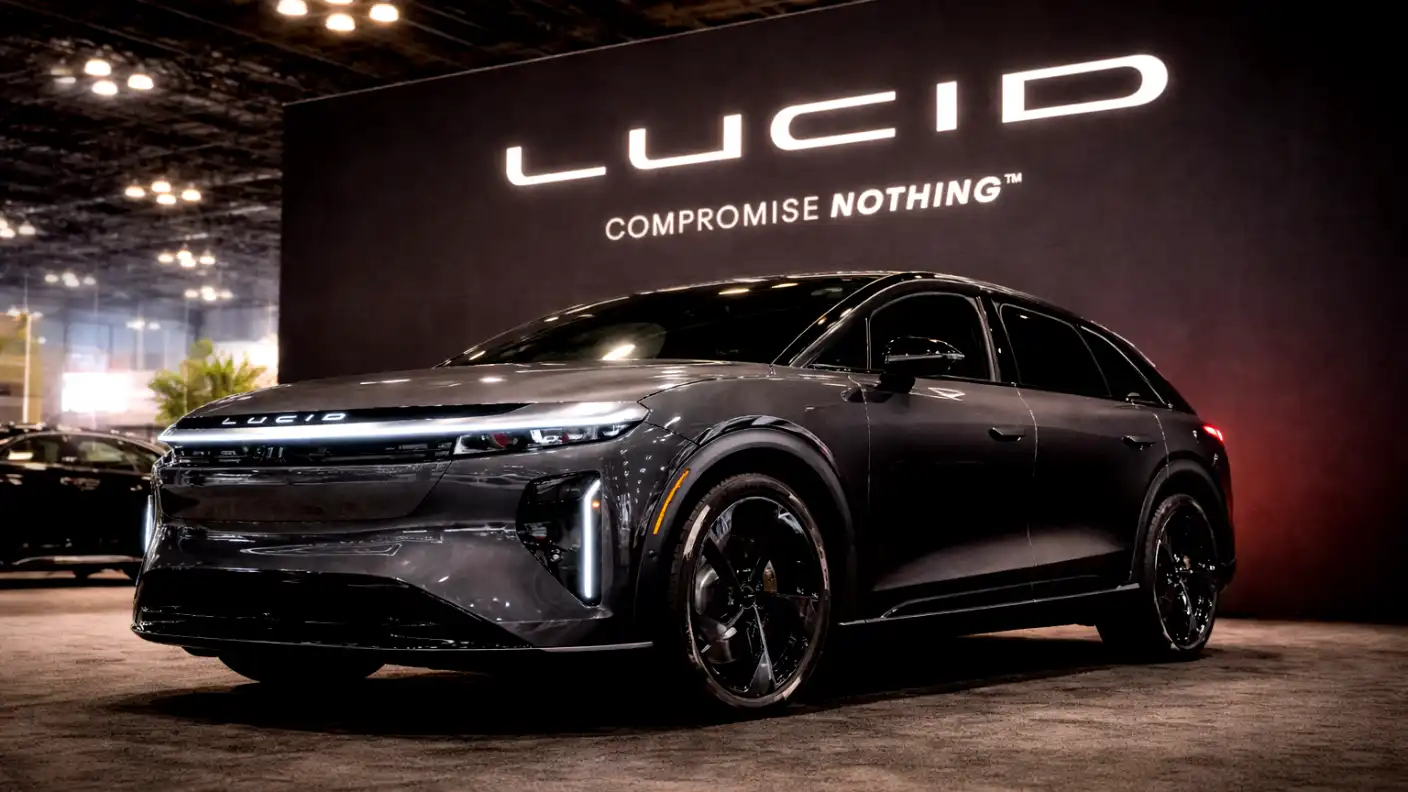
Lucid Group fell short of first-quarter vehicle delivery expectations on Friday. The luxury electric-vehicle maker delivered just 3,093 cars to customers by March 31. Financial analysts at Visible Alpha originally expected the company to deliver 5,237 vehicles. This massive miss raises serious concerns about a weakening in consumer demand for high-end electric sedans.
The first-quarter results highlight a persistent problem for the automaker. A massive gap exists between the cars rolling off the assembly line and those actually reaching customers’ driveways. During the first three months of the year, Lucid produced exactly 5,500 vehicles. While this number fell short of the expected target of 5,967 units, it still dwarfed the actual delivery total. Building the cars represents only half the battle for electric vehicle startups right now.
A specific manufacturing headache severely damaged the delivery numbers this quarter. The company faced a major supplier quality issue concerning the second-row seats for its luxury SUV, the Lucid Gravity. This defect forced managers to halt deliveries of the new model for 29 straight days. Losing nearly a full month of delivery time crippled the company’s ability to meet customer demand during a crucial sales period.
Beyond faulty seats, Lucid fights a daily war against global supply chain bottlenecks. High import tariffs on foreign auto parts directly eat into the company’s budget. At the same time, the automaker wrestles with the same stubborn computer chip shortage that plagues the entire automotive industry. Finding reliable suppliers for rare earth materials remains a constant struggle for the procurement team.
Unexpected disasters also complicated the manufacturing process. A massive fire broke out at a key aluminum supplier facility last September. The fallout from that blaze continues to disrupt the flow of essential metal components to the Lucid assembly plant. These compounding issues make it incredibly difficult for the company to maintain a smooth and predictable manufacturing schedule.
Despite these heavy headwinds, company leadership remains optimistic about the rest of the year. Chief Executive Officer Marc Winterhoff acknowledged the ongoing supply challenges but refused to lower his expectations. On Friday, he officially maintained the annual production forecast. He expects the company to build between 25,000 and 27,000 vehicles this year. Winterhoff noted that his team took a conservative approach when creating this estimate.
Hitting that ambitious target would require significant growth. Last year, in 2025, the company nearly doubled its output to reach 17,840 vehicles. Reaching the midpoint of the new 2026 forecast range would require production to grow by more than 50.0%. The factory floor will need to operate flawlessly to hit those numbers, especially with supplier issues still lingering in the background.
The broader electric vehicle market also poses a massive threat to these goals. Across the globe, consumers show less enthusiasm for expensive electric cars. High interest rates make auto loans much more expensive, which naturally drives buyers away from luxury sedans that cost over $80,000. Lucid must convince cautious buyers to part with their money during an unpredictable economic season.
Competitors face the same market slowdown. However, large companies and legacy automakers have substantial cash reserves to survive lean months. Smaller startups like Lucid burn through capital quickly as they try to scale their operations. Investors will watch closely over the next few months to see if Winterhoff and his team can solve their seat defects, overcome the aluminum shortages, and finally get those 5,500 produced cars into the hands of paying customers.