Key Points:
- LG Group Chairman Koo Kwang-mo visited Silicon Valley last week to meet with leaders of top artificial intelligence firms.
- The meetings focused on exploring potential collaborations in physical AI and software platforms to transform LG’s manufacturing and logistics operations.
- Chairman Koo met with Palantir CEO Alex Karp and the co-founders of Skild AI to discuss integrating advanced AI into LG’s industrial portfolio.
- LG Technology Ventures, which manages funds totaling $890 million, will focus on proactive investments to secure the conglomerate’s future in the AI era.
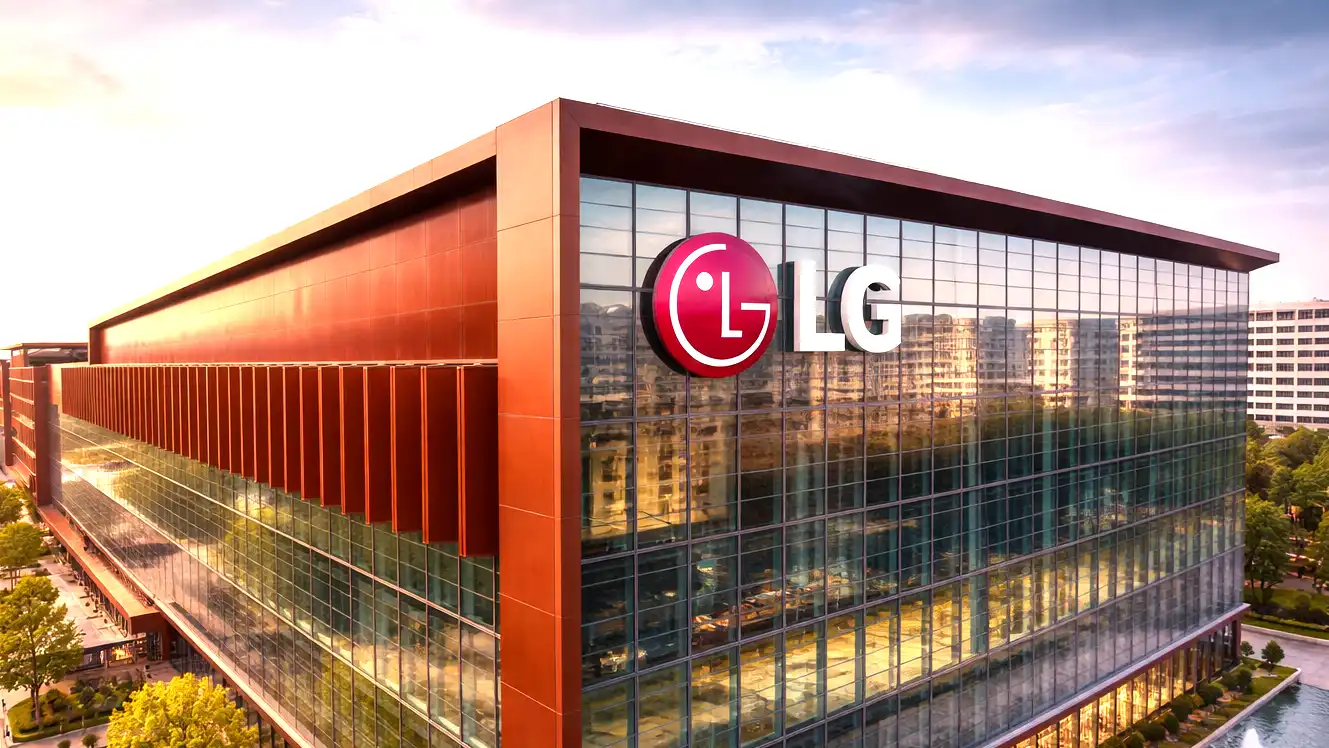
LG Group Chairman Koo Kwang-mo spent last week meeting with top leaders in Silicon Valley as the South Korean conglomerate pushes to accelerate its artificial intelligence transformation. The chairman’s visit to California signals a major strategic shift for the massive business group, which currently seeks to integrate AI technology into every part of its global operations. LG Corp., the holding company for the group, confirmed the trip on Tuesday, highlighting a clear effort to clarify its AI strategy and priorities.
On Thursday, Chairman Koo met with Alex Karp, the chief executive officer of the American software platform firm Palantir Technologies Inc. The two leaders discussed potential cooperation between their companies within the AI industry. LG specifically wants to learn from Palantir’s successful track record of applying AI to complex global sectors. By benchmarking Palantir’s achievements, LG hopes to enhance its own internal capabilities across its massive manufacturing, finance, and logistics operations.
Beyond software platforms, Chairman Koo focused heavily on the emerging field of physical AI. He held a separate meeting with Deepak Pathak and Abhinav Gupta, the co-founders of Skild AI. During this visit, the LG chairman observed a demonstration of a humanoid robot equipped with the Silicon Valley startup’s proprietary software. This meeting underscores LG’s intent to move beyond digital chatbots and focus on applying intelligence to physical machines, a shift that could revolutionize factory-floor efficiency and product design.
The LG chief also stopped by the headquarters of LG Technology Ventures, the group’s dedicated investment arm based in Silicon Valley. Koo took this opportunity to discuss future investment strategies with his team. He urged them to act as a forward base for the entire group. Chairman Koo wants the investment arm to establish a major pillar for the conglomerate’s future portfolio by proactively hunting for promising startups amid the current AI paradigm shift.
LG Technology Ventures currently manages investment funds worth $890 million. These funds support a wide variety of emerging tech companies in the United States, Canada, and Israel. By funneling this capital into AI-focused businesses, the conglomerate hopes to stay ahead of its competitors while maintaining its status as a global tech leader. These investments help LG identify new technologies early, often long before those tools become standard in the mass market.
These high-level meetings come at a time when traditional industrial giants face immense pressure to modernize. Companies like LG, which built their empires on hardware manufacturing, now race to add intelligent software layers to their products. Chairman Koo made it clear that he wants LG to deliver results promptly. His direct involvement in these Silicon Valley discussions shows that the leadership team understands the urgency of this technological transition.
The company clearly views physical AI as a critical frontier. By combining LG’s vast manufacturing experience with the agile software and robotics expertise found in Silicon Valley, the group aims to create a new generation of smart devices. Whether it is a kitchen appliance, an industrial robot, or a logistics platform, LG expects AI to make its products more efficient and valuable to customers.
Chairman Koo’s trip serves as a clear message to investors and competitors alike. LG Group does not intend to be a spectator during the artificial intelligence revolution. Instead, the conglomerate intends to use its massive scale and capital to secure a top position in the future AI ecosystem. With nearly $1 billion ready for venture investments and a new focus on physical AI, the group prepares for a decade of fundamental change.