Key Points:
- Global currency markets remain jittery as traders await a final 8:00 p.m. ET deadline for Iran to reopen the Strait of Hormuz.
- The United States dollar continues to trade near multi-year highs as investors seek safety amid intense geopolitical conflict.
- President Donald Trump threatened to destroy Iranian infrastructure in a single night if the blockade did not end immediately.
- Currency analysts warn that even a potential U.S. withdrawal from the conflict will not guarantee the reopening of vital shipping lanes.
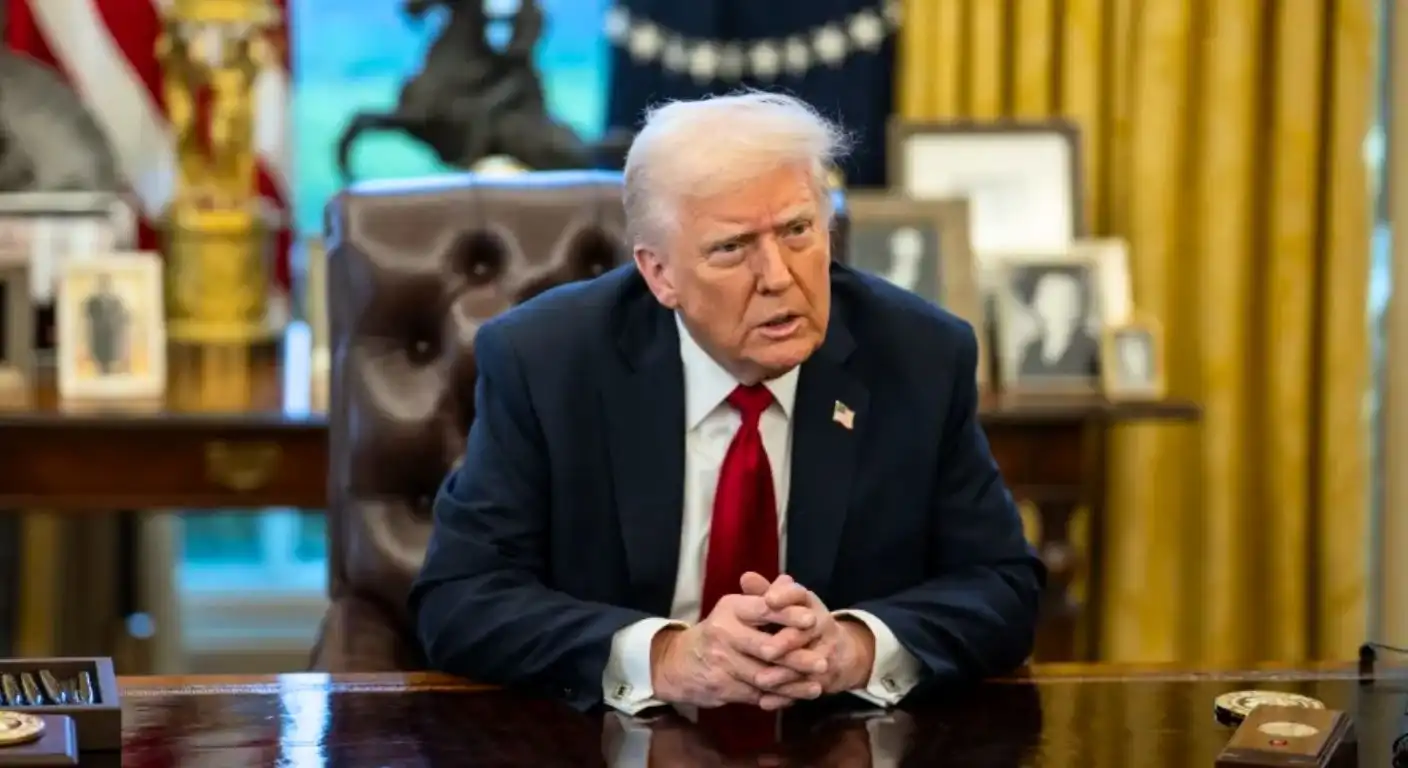
Global financial markets remain highly tense on Tuesday. Traders across all major regions nervously watch the clock as they count down to a United States-imposed deadline for Iran to open the Persian Gulf to commercial shipping. If the Iranian regime refuses to comply by 8:00 p.m. Eastern Time, President Donald Trump has promised to launch devastating attacks against the country’s critical infrastructure. The ongoing war in the Middle East, combined with the effective closure of the Strait of Hormuz, continues to send global energy prices soaring.
Investors currently flee to the safety of the United States dollar as the most effective “safe haven” asset. This rush for safety pushed the greenback higher, particularly across Asian markets. While hopes for a breakthrough deal helped prevent further panic buying during the Easter holiday, market participants remain extremely cautious. Few investors feel brave enough to sell their dollar holdings before they hear what happens at the president’s 8:00 p.m. deadline.
In the currency markets, the Japanese yen traded at 159.67 against the dollar. This level sits dangerously close to multi-decade lows and approaches the exact price points that forced Japanese authorities to intervene in the market back in 2024. Meanwhile, the euro held at $1.1539, and the British pound fetched $1.3235. Both of these major currencies currently trade slightly above the multi-month lows they hit late in March.
Brent Donnelly, president at Spectra Markets, explained that the market remains heavily invested in the U.S. dollar just in case the conflict escalates further. However, he noted that positive trading in stocks and gold puts a temporary lid on further dollar gains. “It’s hard to make any high-confidence predictions here,” Donnelly said. “We wait for 8 p.m. and see what type of attacks Iran and the U.S./Israel launch in the meantime.”
The president amplified his threats on Monday. He suggested Iran could be “taken out” in a single night and hinted that the night might be the one immediately following his deadline. He explicitly vowed to destroy Iranian power plants and bridges, brushing off warnings from human rights advocates that such actions could constitute war crimes or permanently alienate the Iranian population. Tehran, for its part, rejected a temporary ceasefire, demanding a permanent end to the war instead. Tensions reached a new high after Israel claimed responsibility for killing a top Iranian intelligence official and striking a petrochemical plant in southern Iran.
While the U.S. dollar currently dominates, some currencies are showing signs of life. The Australian dollar and the New Zealand dollar, which both tumbled significantly when Iranian strikes on energy infrastructure intensified in late March, nudged higher to $0.6917 and $0.5714, respectively. Despite this modest recovery, trading remains incredibly tentative. Other regional currencies tell a much grimmer story. The South Korean won remains trapped on the weak side of 1,500, a level typically seen only during severe financial crises like those in 2009 or the late 1990s. Furthermore, the Indonesian rupiah hit a brand-new record low on Monday.
Analysts at the Commonwealth Bank of Australia suggest the dollar might ease slightly in the very near term if the market believes the U.S. will successfully “end” the war in Iran. However, they provided a very sobering reminder for the global economy. “There are three participants in the war: the U.S., Israel, and Iran,” the analysts wrote in a note. “What matters for the world economy and currencies is whether the Strait of Hormuz is open. The U.S. leaving the conflict does not reopen the Strait.”
Indeed, with roughly $1 billion in daily trade value at stake, the waterway’s operational status remains the primary variable for traders. Even if political rhetoric suggests a path to peace, ships will not move unless the physical threat of attack disappears. Until the shipping lanes reopen, the dollar will likely remain investors’ favorite choice amid fears of a wider regional conflagration.