

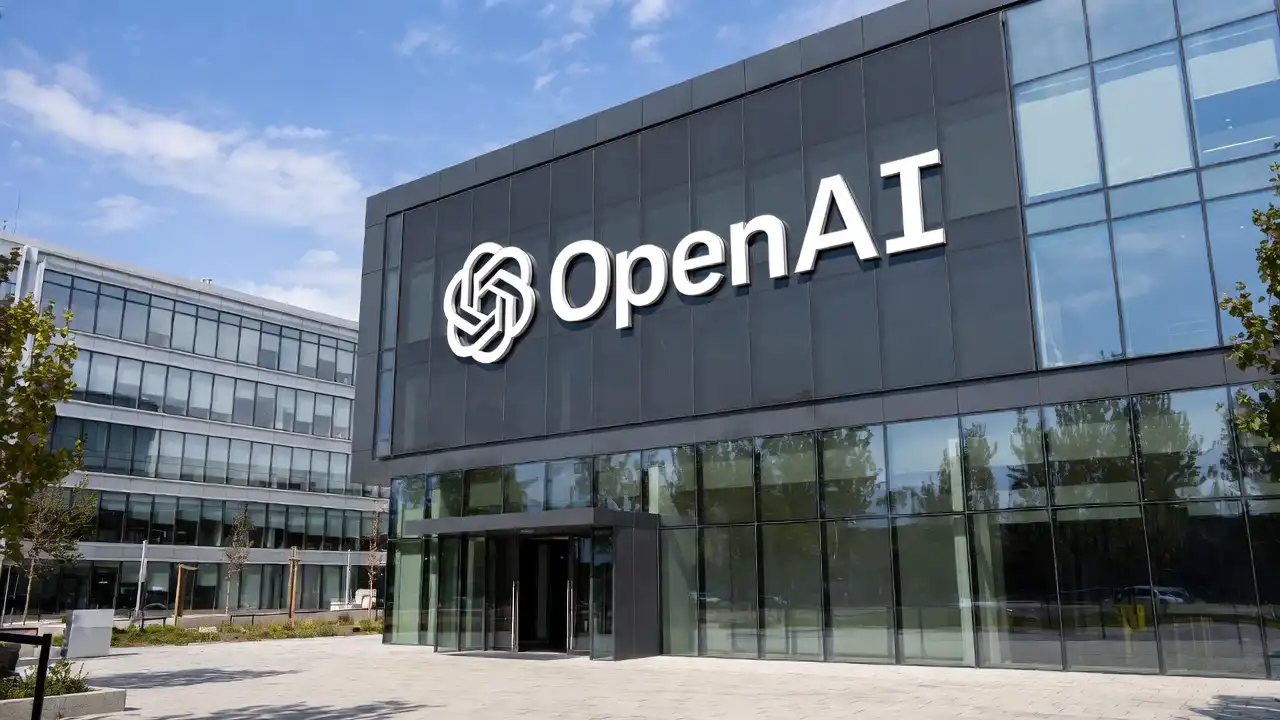
Key Points:
- The South Korean science ministry hosted a working-level workshop with OpenAI to discuss artificial intelligence and cybersecurity.
- OpenAI’s national security head, Sasha Baker, presented new safety features built into the latest language models.
- The technology company introduced a new program that gives secure access to vital public and financial services.
- South Korean officials asked OpenAI to share threat intelligence to help stop modern hackers from breaching national networks.
South Korea wants to protect its digital borders from new artificial intelligence threats. To tackle this growing problem, the Ministry of Science and ICT hosted a special working-level workshop on Monday. They invited representatives from OpenAI to discuss cybersecurity and digital safety. Government leaders know that artificial intelligence can both help and hurt national security. They want to make sure they use the best technology to block hackers before they strike.
Several high-level government agencies sent officials to the Monday meeting. The National Intelligence Service, the Ministry of Foreign Affairs, and the Financial Services Commission all joined the conversation. Having 4 major government bodies in one room shows exactly how seriously South Korea takes this issue. Hackers constantly target the country’s banks, power grids, and government networks. The officials want to build a solid defense wall using the newest digital tools available on the market.
Sasha Baker attended the meeting as the head of national security policy for OpenAI. She leads the team that figures out how to keep popular tools like ChatGPT safe from bad actors. Baker spoke directly to the South Korean officials about the newest features her team built into the latest language models. She explained how her company designs these complex systems to recognize and block malicious requests from dangerous users.
During her presentation, Baker introduced the Trusted Access for Cyber program. OpenAI calls this program TAC for short. The TAC initiative gives verified, safe access to artificial intelligence models for companies working in vital sectors of the economy. For example, major banks and public service providers can use the TAC program to get secure tools. This prevents unauthorized users from breaching sensitive systems that hold the private data of millions of citizens.
South Korean officials listened closely to the TAC presentation. They know that a single data breach can cost a financial institution over $5 million in damages and ruin its public reputation. The Financial Services Commission wants to ensure that any local bank using artificial intelligence does so under the strictest possible security rules. By using a verified system like TAC, institutions can analyze complex financial data without risking a massive, costly leak.
After the presentation, the science ministry made a direct request to OpenAI. The government asked the American tech company to share more information about emerging cyber threats. Hackers evolve their tactics every single day. They now use artificial intelligence to write harmful computer code and create convincing phishing emails up to 100 times faster than a human could. South Korea wants a direct line of communication with OpenAI to spot these new attack methods early.
OpenAI agreed to the government’s request for better information sharing. Both sides shook hands and promised to continue these working-level conversations in the near future. They want to figure out new ways to use artificial intelligence to improve digital safety across the board. Instead of just fearing the technology, South Korea wants to turn it into a powerful shield against foreign and domestic hackers.
This meeting highlights a growing trend among global governments. In the past, politicians tried to regulate technology companies from a safe distance. Now, they realize they must work directly with the creators of the technology. Artificial intelligence moves too fast for slow government bureaucracy to keep up. South Korea chooses to sit at the table with industry leaders to shape the security rules together.
The presence of the National Intelligence Service highlights the real danger of modern cyber warfare. State-sponsored hackers frequently try to break into South Korean servers 24 hours a day. These bad actors want to steal state secrets, demand ransom money, and disrupt daily life. The intelligence agency hopes to use OpenAI’s advanced models to predict where the next attack will originate. Spotting a vulnerability just 1 or 2 days early can save a national network from total collapse.
Going forward, the science ministry plans to host more of these collaborative sessions. Monday’s 1st meeting set a highly positive tone for future partnerships between the two groups. As artificial intelligence models become smarter and more capable, national security measures must scale up just as fast. South Korea and OpenAI took a major step toward keeping the digital world safe for everyone.






