We once viewed the doctor’s office as the only place to find true healing. We traveled long distances, sat in crowded waiting rooms for hours, and stood in line to pay for a few minutes of professional advice. This old model served the physical age well, but it failed to reach the billions of people who live far from modern clinics. Today, the wall between the patient and the physician has vanished. We now enter a global era of digital health, where care travels over fiber-optic cables and satellite links rather than across physical miles. As we build this massive remote care environment, we finally have the power to bring expert medicine to the most isolated corners of the planet.
The End of the Waiting Room Era
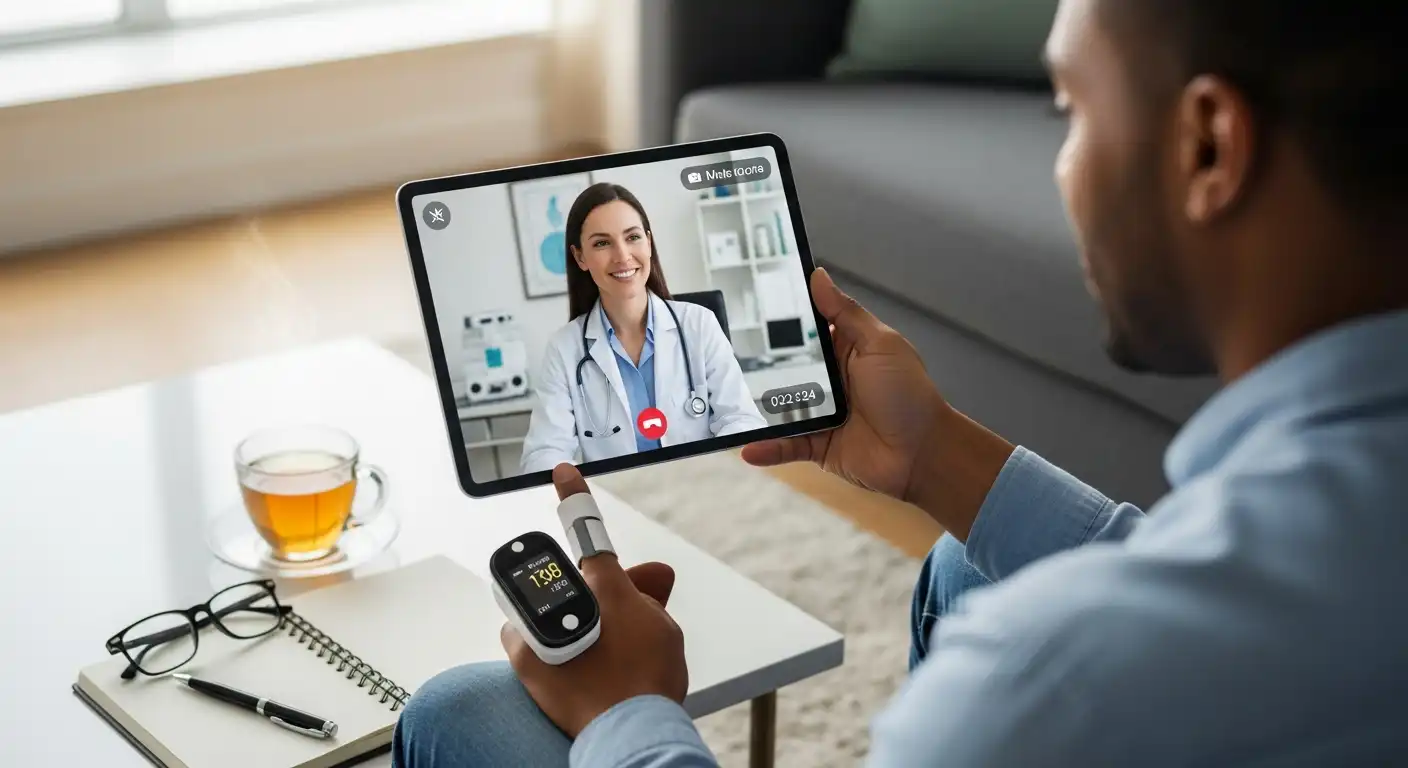
The most frustrating part of healthcare was always the delay. You felt a sharp pain, you worried for days, and you spent half a week trying to secure an appointment. In a remote care system, the waiting room no longer exists. A patient experiences symptoms and speaks to a professional within minutes. This immediate access prevents minor issues from spiraling into dangerous, chronic conditions. When we remove the physical barrier of distance, we remove the most common excuse for delaying a checkup. Health becomes a continuous conversation rather than a series of stressful, rare events.
Wearing Your Own Diagnostic Lab
We no longer rely on a nurse to manually check our blood pressure or heart rate. The latest wearable technology acts as a personal, 24/7 diagnostic lab. A simple smartwatch now tracks your oxygen levels, your sleep quality, and even the electrical rhythm of your heart with incredible precision. These devices feed data directly into the remote care system. If your numbers show a strange pattern—perhaps an irregular beat or a sudden spike in sugar—the platform sends an alert to your doctor before you even realize you feel sick. We moved from “sick care,” where we treat the illness, to “health care,” where we actively protect the baseline.
Bridging the Gap for Rural Communities
For a large portion of the human population, the nearest hospital sits an entire day’s journey away. This geographic reality meant that millions of people lived without access to basic medical expertise. Remote care acts as a digital bridge. A local community health worker in a small village can now use a portable ultrasound device or a digital stethoscope to share a live feed with a specialist in a major urban center. The specialist interprets the data, guides the local worker through the procedure, and prescribes the correct medication. We save lives by bringing the hospital’s brain into the hands of local workers.
The Power of the Data-Driven Diagnosis
Doctors once relied entirely on memory and general training. If they hadn’t seen a specific, rare condition during their medical school years, they might easily miss the symptoms. A remote care system uses data to eliminate this human error. When a doctor reviews your file remotely, the system compares your symptoms with millions of similar cases worldwide. It suggests rare diagnoses that the doctor might have overlooked. It ensures that the treatment plan follows the absolute latest global research. The digital environment gives every doctor the collective experience of a thousand other specialists, making every consultation significantly more accurate.
Creating a Human Connection Through Screens
Skeptics often claim that remote care lacks the “human touch.” They believe that a screen prevents a doctor from showing genuine empathy. This perspective ignores the reality of how we currently treat patients. A rushed doctor in a crowded hospital has no time to look you in the eye anyway. They spend their energy typing notes and managing the room. Remote care actually restores the focus on the patient. The doctor sits in a quiet space, free from the clinic’s noise, and gives you their undivided attention via a video link. Empathy does not require a physical touch; it requires clear communication, active listening, and a genuine desire to help.
Securing the Most Private Information
We cannot discuss digital health without addressing the massive risk to privacy. When you send your most private biological data over the internet, you create a target for cybercriminals. Every medical file must remain locked behind unbreakable, end-to-end encryption. We must demand that remote care platforms keep our data in “zero-knowledge” vaults where even the platform operator cannot see the actual files. If we fail to secure the digital path, we destroy the trust that makes medical care possible. Privacy acts as the absolute foundation of the doctor-patient relationship, and we must defend it with the most advanced tools we have.
Fighting the Digital Inequality Trap
We face a very real danger of building a two-tiered medical system. If remote care only works for people who own expensive smartphones and enjoy high-speed fiber internet, we will create a world where only the rich receive the best care. We must ensure that remote care reaches those who lack basic tools. This means governments and global organizations need to invest in community kiosks where anyone can access a private, high-speed medical consultation. We must make the technology simple, affordable, and accessible to everyone, regardless of their income or digital literacy. Access to a doctor is a human right, and we cannot let the digital divide turn it into a luxury good.
The Global Standardization of Treatment
Medical treatment currently varies wildly from one country to the next. What counts as standard care in one place is completely unknown in another. Remote care helps us standardize global medical excellence. By sharing best practices across digital networks, we teach doctors in every region how to treat complex conditions, using the highest global standards. We build a shared language of medicine that crosses borders. If a revolutionary new treatment for a skin condition appears in one country, the entire global network of doctors learns how to apply it within weeks, not years. We raise health standards for the entire planet.
Conclusion
The transition toward remote care is not just a temporary fix for a busy world; it is the permanent, necessary future of medicine. By using wearable sensors, instant digital consultations, and shared global data, we can finally provide expert care to people who were once completely ignored. We must remain careful about the risks to our privacy and the dangers of a digital divide, but we cannot turn our backs on this progress. The era of the lonely, slow, and expensive clinic is ending. The era of expert care in every home, every village, and every city has finally begun.