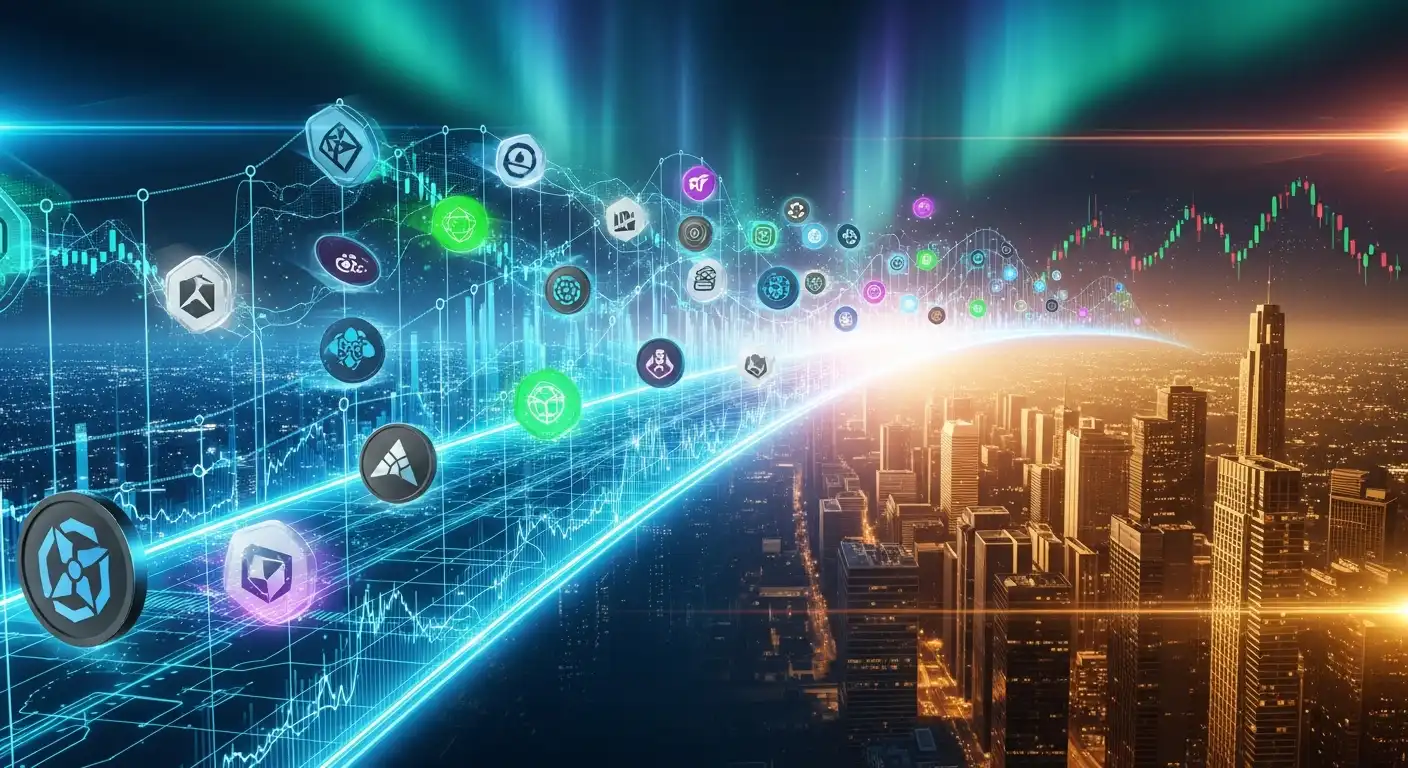
We have spent decades dealing with the clumsy physical remnants of the past. We carry plastic cards to prove our credit, paper deeds to own our homes, and physical tickets to enter events. We treat these physical objects as absolute proof of ownership. Today, that world of paper and plastic feels heavy and slow. In a digitally native economy, we no longer need physical proxies to represent our assets. Instead, we use tokenization. By turning ownership into a digital “token” on a secure, unchangeable ledger, we fundamentally change how we build wealth, transfer value, and prove who owns what. This shift represents the most important upgrade to our global financial infrastructure in a century.
The Power of Fractional Ownership
The old way of investing required massive amounts of capital. If you wanted to own a piece of a skyscraper, a valuable painting, or a rare vintage car, you needed millions in your bank account. Most people stayed on the sidelines because the barrier to entry sat far too high. Tokenization shatters this barrier by breaking massive assets into tiny, tradable digital pieces. You can now own five percent of a commercial building or a tiny fraction of a rare asset. This “fractional ownership” democratizes wealth. It gives everyday people the chance to invest in the same high-value assets that previously belonged only to the wealthy elite. We finally open the doors to the global market.
Removing the Slow and Greedy Middlemen
Our current financial system relies on a long, expensive chain of middlemen. When you sell a house, you pay lawyers, brokers, and bank officials to verify that you actually own the property. This process takes months and costs a fortune in fees. Tokenization removes these middlemen entirely. The digital ledger holds the “truth” of who owns the asset. When you sell a tokenized asset, the smart contract automatically transfers ownership the moment the payment arrives. We stop paying for the trust of a middleman and start trusting the math of the ledger. We save immense amounts of time and money, making markets significantly more efficient.
Instant Liquidity for Illiquid Assets
Some assets act like heavy anchors. If you own a piece of land, you cannot easily sell ten percent of it to pay for an emergency. You have to sell the whole thing, which takes time and effort. Tokenized assets change this by turning everything into a liquid market. Because you trade these tokens on digital exchanges, you can sell them whenever you need cash. You gain the ability to manage your personal finances with much greater flexibility. You no longer have to keep all your wealth tied up in assets that you cannot easily move. We build a global economy where money flows freely, rather than getting stuck in stagnant, physical holdings.
Provenance and the End of Counterfeits
We often worry about the authenticity of what we buy. Is that designer bag real? Is that piece of art an original? In the current market, we rely on paper certificates that anyone can forge with a decent printer. Tokenization provides a permanent, verified history of an item’s origin, or provenance. Because the ledger records every previous owner, you know the history of your asset with absolute certainty. This eliminates the massive global problem of counterfeit goods. When the digital record proves the origin, you buy with total confidence. We build a marketplace based on verifiable truth rather than hopeful guessing.
Democratizing Access to Global Markets
For a long time, geography determined your financial potential. If you lived in a country with a weak currency or an unstable banking sector, your ability to build wealth remained severely limited. Tokenization operates on a global, borderless network. Anyone with an internet connection can buy, sell, and trade these digital assets. This allows a person in a small village to participate in the same investment markets as someone in a major financial hub. We provide a path to financial inclusion that bypasses the traditional, broken banking systems that once kept so many people trapped in poverty.
Transparency as the Foundation
Traditional financial reports often hide the truth behind complex accounting. Investors have to rely on the company’s internal auditors to verify the numbers. Tokenization forces transparency onto the entire system. Because the ledger tracks every single movement of an asset publicly, you can verify the health of the market in real-time. You do not have to wait for a company to release its quarterly numbers. You see the activity on the ledger yourself. This openness prevents the kind of hidden leverage and fraud that ruined so many economies in the past. We build a system in which truth is the default setting.
The Challenge of Global Regulation
We cannot build a global, tokenized economy without facing massive legal hurdles. Every country currently enforces its own, often conflicting, set of rules about what constitutes a security or a property right. A token that counts as a legal investment in one region might count as an illegal game in another. This regulatory chaos slows down the progress we want to see. We need a new global framework that defines how these tokens move across borders. We need cooperation between central banks and tech innovators to ensure these assets remain legally protected while still allowing the freedom of a digital market.
Security Against the Digital Thief
We built a system that assumes the ledger will remain safe, but we must remember that thieves operate at the same speed as the network. While the blockchain itself remains incredibly secure, the “wallets” and the platforms we use to trade these tokens remain vulnerable. A criminal who steals your digital wallet key steals your entire portfolio. We must invest as much effort into building secure, human-friendly ways to store our digital wealth as we do into building the tokens themselves. A tokenized economy requires a new level of personal responsibility and far better digital security tools for the average user.
The Risk of Devaluing Real Assets
Some critics worry that we are “financializing” things that shouldn’t be turned into bets. Does it make sense to turn a house, a piece of art, or a collection of music rights into something we trade like a stock? We must ensure that tokenization helps real people improve their lives, rather than just creating new, hollow gambling markets. We should focus on tokens that represent productive assets—things that generate income or serve a clear purpose—rather than just chasing speculative hype. The integrity of the tokenized economy depends entirely on the actual value of the assets we choose to represent on the ledger.
Conclusion
We look at the future of finance and see a world where ownership becomes liquid, transparent, and fair. Tokenization gives us the tools to break down the walls that held wealth back for centuries. It invites everyone to the table, and it enforces honesty through the power of code. We still face many challenges regarding regulation, security, and accessibility. But the path remains clear. We are moving from an era of physical, slow, and exclusive ownership to an era of digital, fast, and democratic participation. This evolution defines the next chapter of our global economic story.