Key Points:
- Charlie Ergen’s Dish/EchoStar faced subscriber loss due to cord-cutting.
- Ergen amassed billions in wireless spectrum but faced FCC scrutiny.
- EchoStar nearly went bankrupt after a failed DirecTV merger.
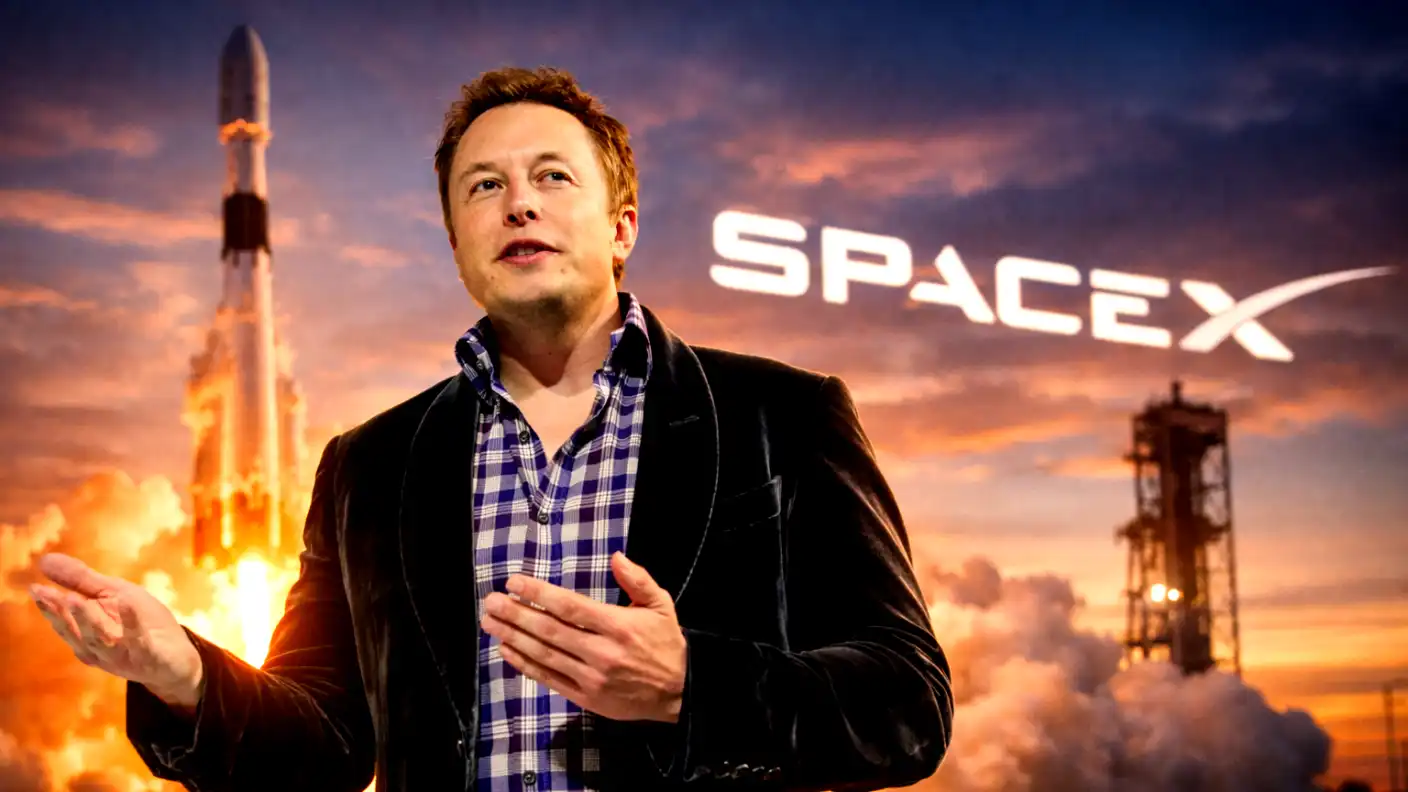
- SpaceX emerged as a potential buyer for EchoStar’s terrestrial spectrum.
By the end of 2013, satellite TV operator Dish Network was thriving with over 14 million subscribers. Charlie Ergen, a former professional gambler, had built Dish and its sister company EchoStar into a successful satellite TV empire since the early 1980s, making him worth over $20 billion by 2015.
However, the rise of cord-cutting steadily eroded Dish’s subscriber base. Sensing this shift, Ergen began buying up wireless spectrum, not just to offer a wireless service, but also to hoard it as a valuable asset. He invested billions into this spectrum but did little to develop it, beyond offering prepaid carrier service through Boost Mobile, which he acquired during Sprint’s collapse.
Dish’s stock plummeted in the following years. Ergen eventually merged Dish with EchoStar in 2023, but the damage was significant, reducing his net worth to under $1 billion. Yet, EchoStar still held spectrum potentially worth billions, which ultimately became the company’s lifeline against possible bankruptcy—and SpaceX played a crucial role.
In early 2025, Ergen attempted a last-ditch effort to merge EchoStar with rival DirecTV, but the deal fell through. With a heavy debt load, concerns about EchoStar filing for bankruptcy grew.
An unexpected solution emerged in May of last year. FCC Chairman Brendan Carr questioned whether EchoStar had met its network build-out obligations to develop productive uses of its spectrum, as required by law. While the FCC, under the Biden administration, granted EchoStar more time to deploy a 5G network, Carr remained dissatisfied with their progress.
In a “calculated move,” Ergen decided to skip EchoStar’s upcoming interest payment, triggering a 30-day review and grace period with creditors. During this time, EchoStar cited uncertainty over the FCC’s review of its 5G license. Industry observers suggested this was a bluff to pressure the FCC. With Ergen seemingly willing to gamble it all, the FCC and Carr eventually backed off.
Ergen met with President Trump in June, who reportedly urged Carr to finalize a deal. Interestingly, one company was looking to acquire “terrestrial,” or land-based, spectrum: SpaceX. Although SpaceX’s Starlink primarily offered broadband internet from space, the company had also started a direct-to-cell service. This service allowed customers to connect to the internet on unmodified cell phones using a combination of terrestrial wireless and satellite connectivity, making EchoStar’s land-based spectrum suddenly very appealing.