Key Points:
- Maritime traffic through the Strait of Hormuz has almost completely stopped due to ongoing military blockades.
- Peace negotiations collapsed after President Donald Trump canceled a diplomatic meeting with Iranian officials in Pakistan.
- Satellite images show at least 19 ships waiting near Kharg Island while Iran pumps crude oil into supertankers.
- The United States Navy intercepted several vessels and placed heavy sanctions on a major Chinese oil buyer.
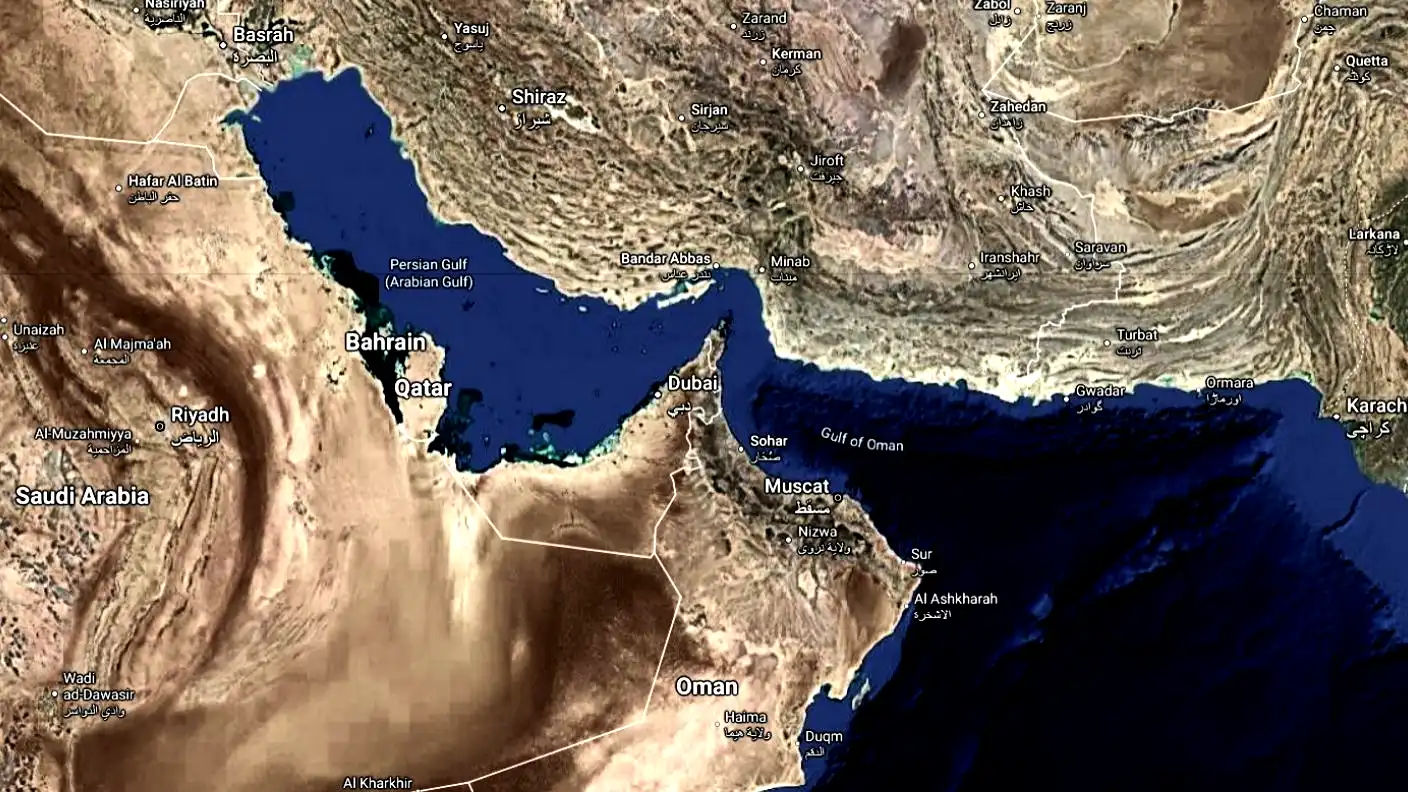
The Strait of Hormuz remains almost empty today. Both the United States and Iran refuse to lift their strict maritime blockades. This stubborn military standoff has brought one of the world’s busiest shipping lanes to a complete standstill. Neither side shows any willingness to back down or to allow commercial vessels to pass freely through the critical waterway.
Peace talks between the two nations recently collapsed yet again. United States President Donald Trump canceled a planned trip that would have sent his top diplomats to Islamabad, Pakistan. Trump explained his sudden decision by stating that Iran offered a lot, but it simply was not enough. In response, Iranian President Masoud Pezeshkian fired back at the White House. Pezeshkian declared that his country will never accept negotiations forced upon them through military threats. He added that the two nations cannot rebuild trust until the United States stops its hostile actions.
Vessel-tracking data paints a very bleak picture for global trade. As of Sunday morning, observers saw only one small coastal cargo ship leaving the Persian Gulf through the strait. Traffic moving in the opposite direction looked just as sparse. Only a single small chemical and oil product tanker made its way inside. The waterway has sat empty ever since Iranian gunboats fired weapons at passing ships and the United States military started intercepting Iranian vessels last week.
Despite the heavy blockade, Iran continues to pump millions of barrels of crude oil into giant supertankers. The country just cannot deliver the oil to international buyers. Sunday morning satellite images captured a massive traffic jam of ships near the Kharg Island oil terminal. Observers spotted two very large crude carriers tied directly to the docks. At least 19 other giant ships sit anchored in the surrounding waters waiting for their turn to load.
Another large group of ships is currently gathering near Chabahar, right next to the border with Pakistan. These vessels cannot move because the United States Navy actively prevents ships linked to Iran from leaving the Gulf of Oman. American naval forces intercepted a sanctioned ship named the M/V Sevan in the Arabian Sea on Saturday. This aggressive move followed similar events last week when American forces turned several other ships around and boarded at least two vessels operating in Asia.
The United States also increased economic pressure on Iran by targeting its biggest customers. American officials imposed heavy sanctions on Hengli Petrochemical Refinery Company, which operates as one of China’s largest private oil refiners. The United States government punished the Chinese company specifically for buying Iranian oil. This financial penalty is part of a broader American strategy to isolate anyone who buys oil from Tehran. China currently stands as the top importer of Iranian crude.
Observers counted only a tiny handful of ships leaving the Persian Gulf since Saturday morning. This short list included just three small oil tankers, one small liquid petroleum gas tanker, two bulk carriers, and two small coastal cargo ships. Two of those departing oil tankers crossed the strait on Saturday and currently sit anchored off the coast of Oman near Shinas. The United States government has already placed strict sanctions on both of those specific ships. The third tanker left Dubai on Thursday, and trackers last saw it exiting the strait on Sunday morning with an unknown destination.
Tracking signals reveal details about the remaining few ships. The liquid gas tanker left the Umm Qasr port in Iraq during mid-April and now waits at anchor off the coast of Oman. One of the bulk carriers took a very similar path out of the Gulf. Meanwhile, the other bulk carrier stays extremely close to the Iranian coastline as it travels east through the Gulf of Oman. Since Saturday began, inbound traffic has included only one small chemical tanker heading toward the United Arab Emirates and two tiny cargo ships.
The ships that still choose to move through the strait strictly follow a narrow northern lane near the Iranian islands of Larak and Qeshm. Tehran specifically approved this tight route for its friendly vessels. However, the aggressive United States blockade forces many captains to disable their automatic tracking systems entirely. They do this to avoid detection by American warships. This evasive tactic makes it extremely difficult for international monitors to get an accurate picture of what actually moves through the dangerous waters.
Captains have used these dark tactics for a long time. Ships working with Iran often turn off their transponders right as they leave the Kharg Island terminal. They sail silently across the ocean and only turn their signals back on roughly 13 days later when they safely reach the Strait of Malacca in Southeast Asia. Some ships also use electronic interference to spoof their locations. This trick creates false signals that make the ship appear far from its actual position. These deception tactics force tracking experts to monitor vast areas of the Red Sea and the Arabian Sea just to locate the missing oil tankers.