Key Points:
- China promised to take all necessary measures to protect domestic companies from aggressive US export control bills.
- The US House Foreign Affairs Committee recently passed the MATCH Act to restrict sales of advanced technology.
- Chinese officials accuse the US government of using national security as a fake excuse to block fair trade.
- The ongoing political dispute threatens to severely disrupt the multi-billion-dollar global semiconductor supply chain.
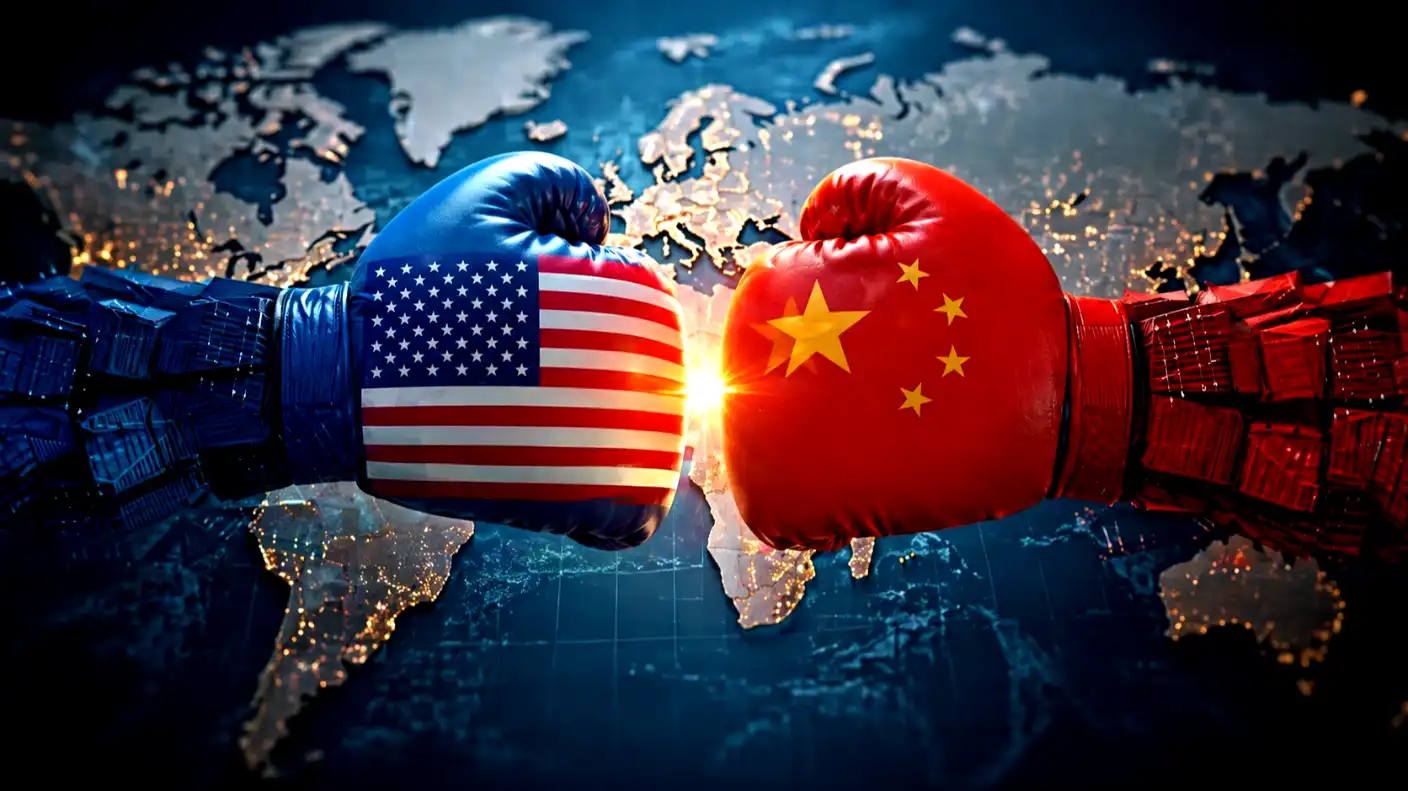
China issued a strict warning to the United States government on Saturday regarding new trade restrictions. The Chinese Ministry of Commerce announced that the nation will take all necessary measures to protect the legal rights of its domestic companies. This strong response comes right after a US congressional committee approved several aggressive export control bills. Chinese officials warn that these new American laws will severely damage global trade and completely wreck the stability of international supply chains.
The conflict escalated heavily on Wednesday when the US House Foreign Affairs Committee held a crucial vote. Lawmakers officially passed the Multilateral Alignment of Technology Controls on Hardware Act, commonly known in Washington as the MATCH Act. This specific piece of legislation aims to block foreign access to advanced American technology. The committee also advanced several other strict export control measures during the same legislative session.
American politicians designed these new rules to tightly control the global flow of artificial intelligence tools and semiconductor hardware. US lawmakers want to stop Chinese factories from buying high-end chip-manufacturing equipment. They believe that restricting these sales will prevent foreign rivals from building advanced computer systems. Supporters of the bill argue that protecting American technology keeps the country safe from future military and economic threats.
A spokesperson for the Chinese Ministry of Commerce quickly responded to these legislative moves. The official stated that Beijing closely monitors the entire situation developing in Congress. The spokesperson reiterated a common complaint from the Chinese government about American trade policies. They strongly accused the US of overusing the concept of national security to justify unfair economic attacks against successful foreign businesses.
Chinese leaders feel that Washington abuses export control measures simply to keep American companies on top of the market. They argue that blocking the sale of computer chips has nothing to do with actual security risks. Instead, they view these new laws as a direct attempt to crush Chinese technological progress. The Ministry of Commerce clearly stated that these actions destroy the basic rules of the international economic order. Free trade agreements normally protect companies from sudden political attacks, but these new bills ignore those long-standing rules.
The global semiconductor industry relies on a highly connected supply chain worth hundreds of billions of dollars. Raw materials come from one country, engineers design the chips in another, and massive factories assemble the final products overseas. The Chinese spokesperson warned that if the US Congress actually passes these new laws, it will severely disrupt this delicate global system. Breaking these supply chains will immediately cause massive delays and drive up manufacturing costs for everyone.
Technology companies around the world hate this growing political tension. The current artificial intelligence boom requires thousands of advanced microchips to function properly. Huge corporations plan to spend more than $500 billion this year alone on new data centers and computing hardware. Every major tech firm races to build smarter software, which requires an endless supply of physical hardware. If lawmakers block the sale of essential manufacturing tools, chipmakers will struggle to meet this massive global demand.
While the Chinese Ministry of Commerce promised to take necessary measures, it did not explain exactly what those steps might entail. However, market experts know exactly how Beijing usually responds to these trade threats. China controls roughly 60 percent of the world’s rare earth minerals. Tech companies desperately need these specific minerals to build modern electronics, electric vehicles, and military weapons.
If the US government completely blocks the sale of chip-making machines, China could easily restrict the export of these crucial rare earth materials. A massive restriction on raw materials would instantly cripple American manufacturing plants. This tit-for-tat strategy forces investors to carefully weigh the risks before investing in technology stocks. The fear of retaliation keeps global markets constantly on edge, knowing that one political move could crash the entire sector.
The MATCH Act still needs to pass through the full House of Representatives and the Senate before the president can sign it into law. For now, the entire technology sector watches Washington very closely. Business leaders hope that politicians can find a peaceful solution before the situation turns into a massive trade war. Until then, the constant threat of new export rules and sudden raw material bans creates a massive headache for the global economy. Countries are now trying to build their own independent supply chains to avoid relying on foreign partners. Still, this separation will cost billions of dollars and take many years to complete.