Key Points:
- Qualcomm shares jumped 13% following reports of a new partnership with OpenAI to build a smartphone processor.
- Tech analyst Ming-Chi Kuo expects the artificial intelligence device to enter mass production by 2028.
- OpenAI purchased Jony Ive’s hardware startup for $6.5 billion last May to lead the design efforts.
- Apple and Samsung currently control about 40% of the global smartphone market and present stiff competition.
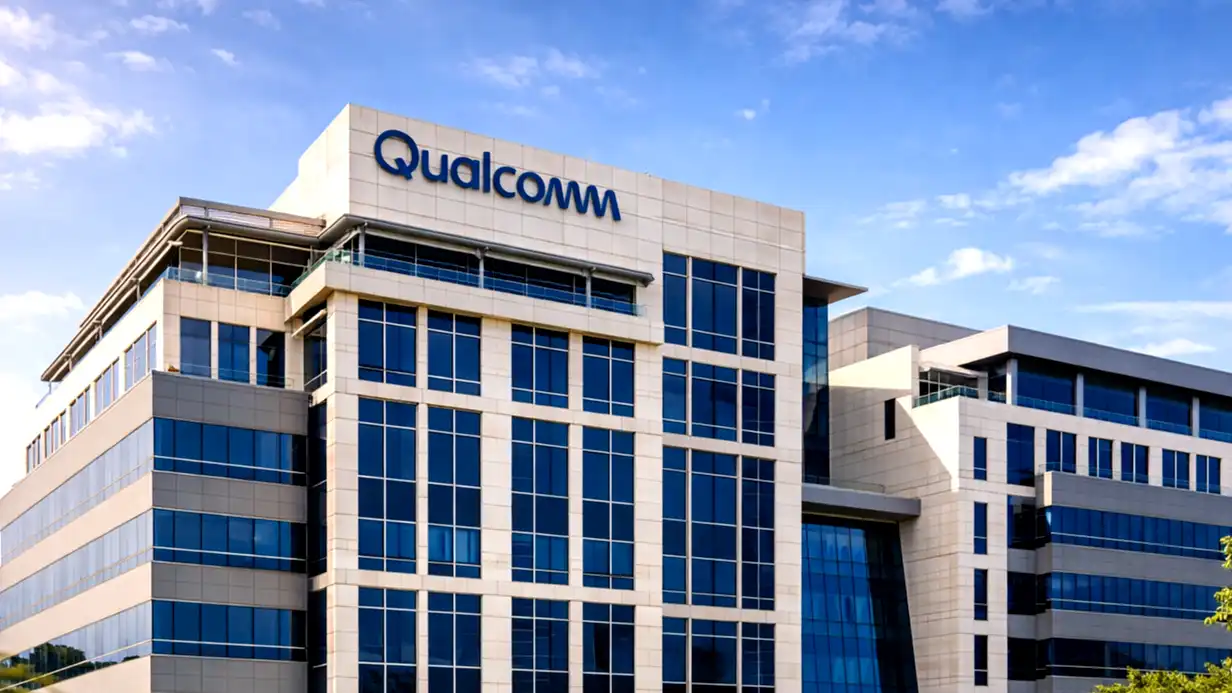
Qualcomm shares experienced a large 13% spike during premarket trading on Monday morning. Investors rushed to buy the stock after a prominent technology analyst revealed a potential new partnership that could shake up the industry. The chip designer is working directly with OpenAI and Taiwan-based MediaTek to build custom processors for a brand new device. This collaboration aims to power the first true artificial intelligence smartphone designed specifically for the everyday consumer market.
Ming-Chi Kuo shared these major details in a recent post on the social media platform X. Kuo works as an analyst at TF International Securities and has built a huge following over the years by accurately predicting future hardware releases from major tech giants. He explained that Qualcomm and MediaTek will serve as co-development partners for the creator of ChatGPT. According to his thorough research, the company plans to reach mass production for this new artificial intelligence smartphone sometime in 2028.
The analyst also revealed which company will actually build the physical phone. Luxshare, a large Chinese manufacturing firm that currently supplies major parts for Apple, successfully secured the exclusive contract. Kuo noted that Luxshare will handle both the intricate system design and the final manufacturing process for the device. None of the companies involved in the leak responded to immediate requests for official comments regarding the spreading rumor.
OpenAI spent the last few years quietly exploring ideas for consumer hardware. Last May, the startup made a bold move by acquiring io Products for $6.5 billion. Former Apple design chief Jony Ive originally founded that specific hardware startup after leaving his long-time employer. OpenAI placed Ive directly in charge of leading the design efforts for this mysterious new device. Technology fans immediately started dreaming about what the famous designer could create using modern artificial intelligence tools.
This new smartphone rumor directly contradicts some previous reports about the secretive hardware project. Last year, the Wall Street Journal reported that the upcoming device would not function as a standard mobile phone. OpenAI Chief Executive Officer Sam Altman even told his employees that the gadget would serve as a completely new third core device. He originally envisioned something that consumers would carry alongside their traditional phones and laptop computers rather than a direct replacement.
Building a consumer smartphone represents a major shift in OpenAI’s business strategy. The loss-making startup recently pulled back resources from several ambitious side projects to conserve cash. Executives wanted the company to focus heavily on creating powerful coding tools for large businesses instead. Enterprise software remains one of the few areas in the artificial intelligence sector that shows clear commercial traction and generates reliable revenue. Taking on a consumer hardware project entails significant financial risk for the software creator.
Launching a brand new smartphone forces OpenAI into a brutal fight against wealthy rivals. Apple and Samsung absolutely dominate the mobile industry and together command about 40% of the global market. These two corporate giants spend billions of dollars every single year on marketing, research, and development. Breaking their iron grip on the average consumer requires a truly revolutionary product. A new company cannot simply release a standard phone and expect to win against such entrenched and loyal competitors.
This move by OpenAI proves that the traditional smartphone will retain its central role in our lives in the era of artificial intelligence. Tech companies know that the mobile phone remains the most personal and frequently used screen in the modern world. Other tech giants see huge opportunities in the current market landscape. Just last month, Reuters reported that Amazon plans to make a fresh push into the handset business after failing to capture the market many years ago.
The stock market reacted quickly to the growing threat against the current smartphone kings. Apple shares dropped 1.7% as anxious investors digested the news of a potential OpenAI mobile phone. Apple itself is currently undergoing major internal changes to prepare for the future. Just last week, the company named long-time hardware chief John Ternus as its new Chief Executive Officer. This major leadership change signals that physical devices will continue to drive Apple forward as the company scrambles to catch up in the artificial intelligence software race.
Technology executives now wait to see what OpenAI will actually reveal to the public. If Qualcomm, MediaTek, and Luxshare deliver a powerful processing system, Jony Ive might redefine the smartphone entirely. Consumers want to see how native artificial intelligence changes daily communication, photography, and personal productivity. The long road to 2028 gives these companies plenty of time to finalize their hardware plans. The intense excitement surrounding a true artificial-intelligence phone is already sending the stock market moving in a big way.