Key Points:
- Italy might extend its fuel tax cuts beyond May 1 to help families and businesses cope with soaring energy prices.
- The government set aside almost 1 billion euros to give tax breaks to employers who hire new staff.
- Prime Minister Giorgia Meloni wants the European Union to allow member states to use defense budget loopholes to cover energy costs.
- Italy has already spent around 700 million euros over 40 days to lower petrol and diesel prices.
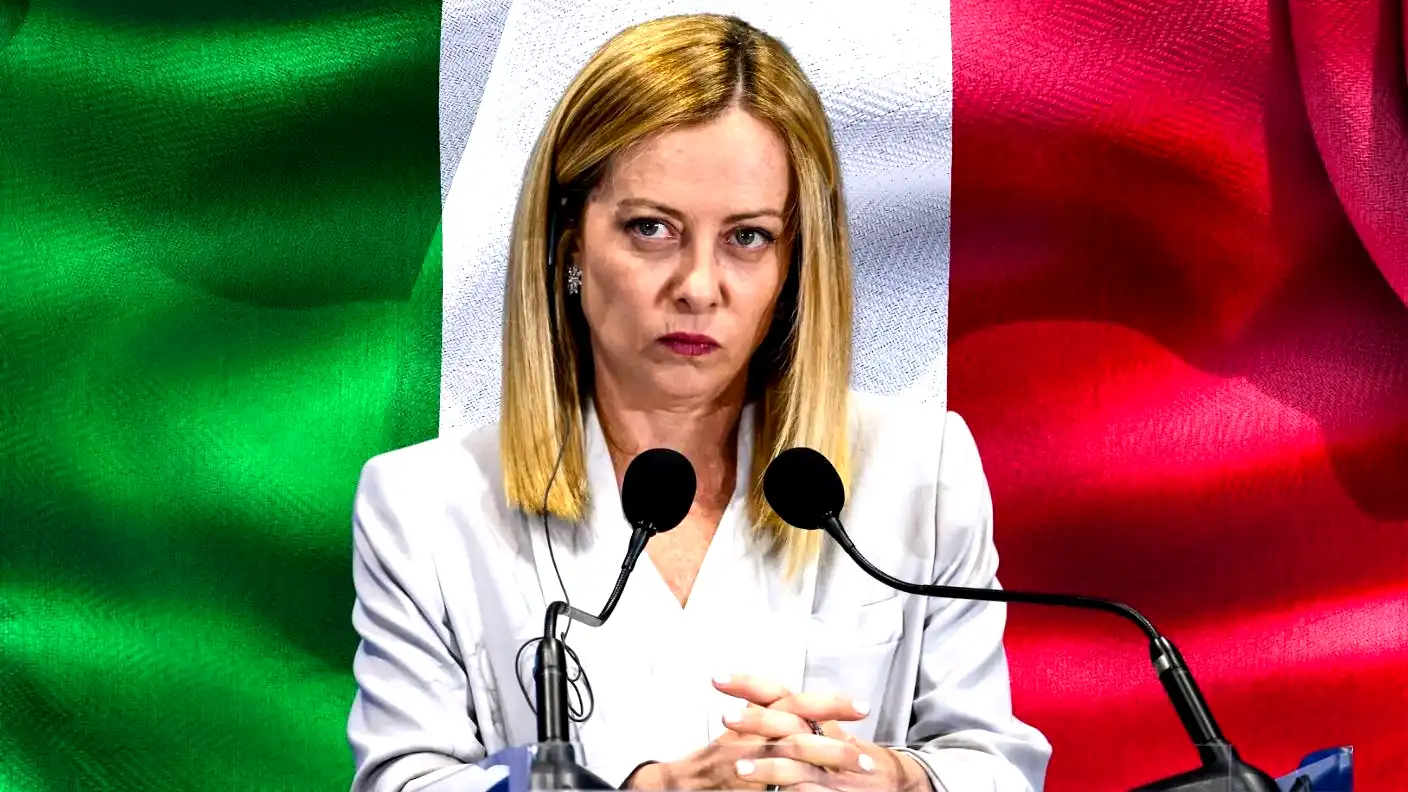
Italian Prime Minister Giorgia Meloni announced on Tuesday that her government might extend a vital cut in fuel taxes. The current tax break on fuel expires on May 1. Meloni wants to push this deadline further to help struggling families and businesses manage the rapidly rising cost of energy. During a press conference after a major cabinet meeting, she told reporters that officials are actively assessing a new extension. She noted that this next round of tax relief might last for a shorter period than the previous ones.
The Italian government has already poured massive amounts of money into keeping gas prices down. Over just over 40 days leading up to May 1, the country spent roughly 700 million euros to reduce excise duties on petrol and diesel. As officials draft the new extension, Meloni pointed out that the upcoming cuts could provide a much larger discount on diesel fuel than on standard petrol. This move aims to directly help the shipping and transportation industries, which rely heavily on diesel to move goods across the country.
Beyond the gas pump, the prime minister wants to stimulate the broader job market. Meloni revealed that her cabinet set aside nearly 1 billion euros, which equals about $1.17 billion, to fund new workplace initiatives. The government will use this massive fund to extend and reinforce specific tax breaks for businesses. These financial incentives specifically encourage employers to hire new staff members and expand their workforce during a difficult economic period.
A severe global crisis is driving these expensive domestic policies. Italy heavily depends on foreign countries for its daily energy needs. Because the nation imports so much of its fuel, it remains highly vulnerable to sudden global supply shocks. The ongoing conflict involving the United States, Israel, and Iran severely disrupted international energy markets. This geopolitical instability caused fuel prices to skyrocket, forcing the Italian government to step in and shield its citizens from the financial fallout.
To fund these expensive rescue programs, Meloni now calls on the European Union for immediate help. She specifically asked the European Commission to loosen its strict financial rules. Currently, the European Union forces member states to keep their budget deficits under tight control. However, the bloc offers special budget flexibility for countries that need to increase their defense and security spending. Meloni wants the European Union to allow Italy to use the same defense loophole to cover the soaring costs of civilian energy.
Meloni made her argument very clear to European leaders. She stated that if anyone asks her what defense and security expenditure actually means today, she considers the energy issue a core part of national defense. Protecting citizens from freezing temperatures and economic collapse, she argues, is just as important as buying military equipment.
European Union regulations currently include a specific rule known as the National Escape Clause. This rule allows member countries to exceed the strict legal limits on budget deficits under very specific conditions. A country can invoke this clause if it faces exceptionally adverse economic circumstances or needs to increase its military budget drastically. For defense spending, the European Union offers this budget flexibility for a four-year window between 2025 and 2028. During this time, a country can increase its deficit by up to 1.5% of its total national output per year.
Italy already outlined its future military spending plans using these rules. Last year, the Italian government planned to increase its defense budget by 0.15 percentage points of its gross domestic product in both 2026 and 2027. Officials planned an even larger jump of 0.2 percentage points for the year 2028.
Meloni put real numbers behind these percentages to show how much money is at stake. She emphasized that just the 0.15% increase represents roughly 3.7 billion euros. If the European Union allows Italy to reallocate or match this level of flexible spending for the energy sector, the government could easily fund its domestic rescue programs. Meloni stressed that capping energy prices remains the top priority for her administration.
The coming weeks will determine if European leaders accept Meloni’s creative financial proposal. If the European Commission refuses to bend the budget rules, Italy will have to find the money somewhere else to keep its fuel tax cuts alive. Until then, Italian drivers and business owners will watch closely to see if the government extends the May 1 deadline and keeps fuel prices manageable.