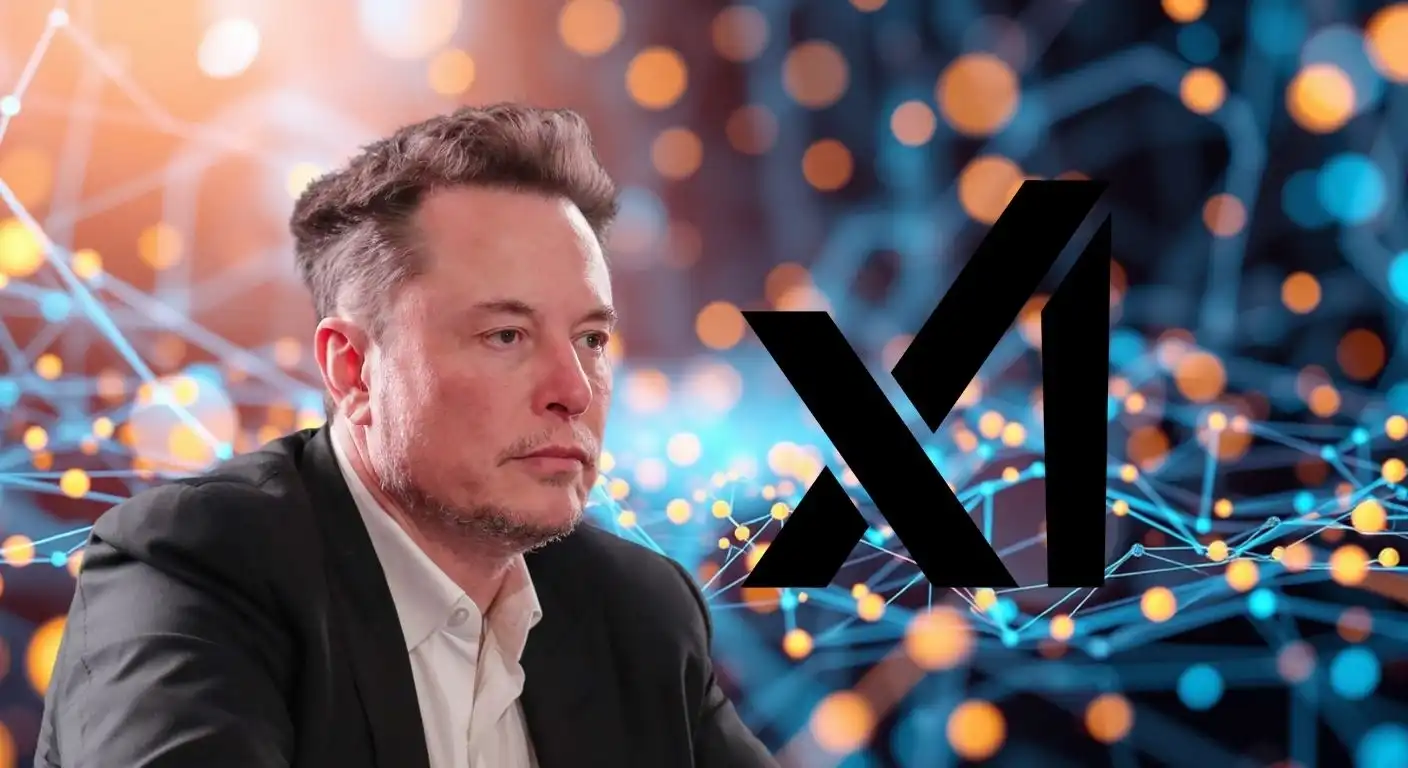
Key Points:
- Elon Musk is suing OpenAI and its leaders for $150 billion, claiming they illegally transformed a charity into a profit-making business.
- A federal judge warned Musk to stop attacking Sam Altman on social media after Musk repeatedly called him “Scam Altman” online.
- Lawyers for OpenAI argue that Musk simply wanted to control the company and filed the lawsuit out of pure jealousy to help his own startup.
- OpenAI recently restructured into a public benefit corporation, giving its original nonprofit arm a 26 percent stake in the business.
Elon Musk officially took the witness stand on Tuesday in a massive legal battle that will determine the future of artificial intelligence. The world’s richest man launched a high-stakes lawsuit against OpenAI, Chief Executive Officer Sam Altman, and President Greg Brockman. Musk claims these tech leaders betrayed him and the general public. He argues they abandoned ChatGPT’s original mission to serve as a benevolent tool for humanity and instead turned a nonprofit charity into a profit-seeking juggernaut.
During his initial remarks in the courtroom, Musk framed his lawsuit as a desperate defense of the entire American charity system. He told the jury that if tech billionaires can legally loot a charity, it will destroy the very foundation of charitable giving across the country. Wearing a black suit and a black tie, Musk appeared very calm as he looked directly at the jury to share his personal history and his deep concerns about the future.
The financial demands in this lawsuit are absolutely massive. Musk wants $150 billion in damages from both OpenAI and Microsoft, which is currently one of the startup’s largest outside investors. Musk does not want to keep this money for himself. He requested that all proceeds go directly back to OpenAI’s charitable arm. He also wants the court to force OpenAI to revert to a strict nonprofit organization. His legal demands include removing Altman and Brockman from their executive officer roles and kicking Altman off the board of directors entirely.
Before the jury even sat down on Tuesday morning, courtroom drama erupted over social media. District Judge Yvonne Gonzalez Rogers had to issue a strict admonishment to Musk for his recent online behavior. Lawyers representing OpenAI complained to the judge about several posts Musk made on the X platform on Monday. In those messages, Musk aggressively attacked Altman, calling him “Scam Altman” and directly accusing him of stealing a charity.
Judge Rogers told the courtroom that she hated the idea of issuing a formal gag order, but she gave Musk a very stern warning. She urged the billionaire to curb his strong urge to use social media to influence matters outside the actual courtroom. Both Musk and Altman eventually agreed to minimize their social media activity for the duration of the trial. Microsoft chief Satya Nadella will also testify as the trial moves forward over the coming weeks.
When opening statements officially began, OpenAI’s lawyer, Bill Savitt, painted a very different picture of Musk’s true motivations. Savitt told the jury that Musk saw massive dollar signs while helping finance the early growth of OpenAI. The defense lawyer claimed Musk actually pushed the company to become a for-profit business because he secretly wanted the keys to the kingdom and planned to lead the entire operation as the top boss.
According to Savitt, Musk only filed this lawsuit because his takeover plan failed. After failing to gain control of OpenAI, Musk launched his own competing artificial intelligence company, xAI, in 2023. Savitt stated bluntly that Musk only cares about staying on top of the technology world, arguing the entire trial is happening simply because the billionaire did not get his way. The defense team also explained that OpenAI needed to create a for-profit entity in March 2019 to buy massive amounts of computing power and pay top scientists to stay competitive with rivals like Google.
Musk’s legal team fired right back at those claims. Lawyer Steven Molo told the jury that the OpenAI defendants threw away their morals to pursue vast riches for themselves. Molo argued that the company was never meant to serve as a vehicle for executives to get rich. He pointed out that Musk provided roughly $38 million to fund the nonprofit’s original mission, only to watch his partners create a for-profit entity just 13 months after he finally left the board.
The timeline of outside investments plays a huge role in Musk’s argument. Molo told the court that a major turning point arrived when Microsoft invested a staggering $10 billion into OpenAI in January 2023. The lawyer claimed this massive cash injection violated every single commitment the founders made to Musk and the rest of the world. Microsoft lawyer Russell Cohen briefly stepped in during opening statements to defend his company, telling the jury that Microsoft acted as a responsible partner every step of the way and did absolutely nothing wrong.
The two sides also fiercely debated the concept of safety. Molo claimed Musk grew incredibly worried as artificial intelligence advanced. He noted that Musk collaborated with Altman to develop the technology safely after a 2015 meeting with President Barack Obama failed to address the potential risks. However, Savitt argued that safety was never a real priority for Musk. The OpenAI lawyer claimed Musk actually insulted employees who focused on safety protocols, allegedly calling them jackasses.
As the trial moves forward, it threatens to complicate some massive business plans. OpenAI currently faces intense pressure from new rivals like Anthropic and spends billions on computational resources. Reporters note that OpenAI wants to launch an initial public offering soon, which could value the company at $1 trillion. This messy courtroom battle casts serious doubt on the current leadership team and could severely delay those plans. Meanwhile, Musk recently folded his own xAI business into SpaceX, which might launch its own record-breaking public offering later this year.
To survive the intense scrutiny, OpenAI recently changed its corporate structure once again. Last fall, the company officially became a public benefit corporation. Under this new setup, the original nonprofit arm still holds a 26 percent stake in the business, along with special financial warrants if the company hits certain high valuation targets. Leaders hope this new structure makes OpenAI friendly to outside investors while still honoring its charitable origins.