Key Points:
- President Trump signed an executive order creating new tax-advantaged retirement accounts with federal matching funds for private-sector workers.
- The government will provide a 50% match, offering up to $1,000 for individuals earning under $35,500 and $2,000 for couples making under $71,000.
- The typical American currently has less than $1,000 saved for retirement because half of the workforce lacks an employer-sponsored plan.
- Small businesses with 50 or fewer workers can now claim a 100% tax credit to cover the administrative costs of setting up their own plans.
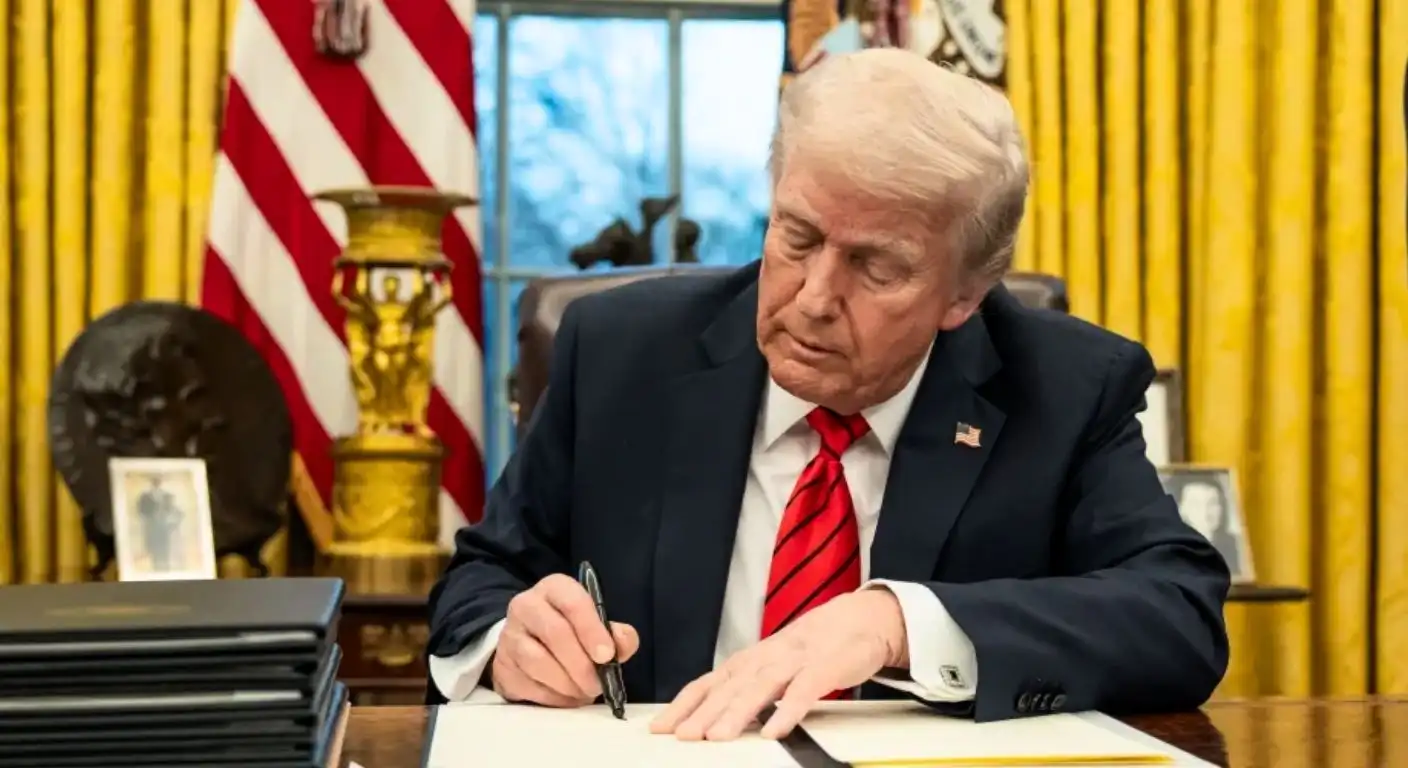
President Trump took a major step on Thursday to help millions of everyday Americans save for their retirement. He signed an executive order that creates new tax-advantaged retirement accounts for private-sector workers. These accounts specifically target employees who do not get retirement benefits through their current jobs. During his State of the Union speech earlier this year, the president promised to give these often-forgotten workers the same kind of retirement tools that federal employees enjoy.
The new program brings actual cash to the table for low- and middle-income earners. The federal government will offer a 50% match on personal savings. Individual workers making up to $35,500 a year can grab up to $1,000 in matching funds. Married couples earning up to $71,000 annually can claim a combined match of up to $2,000. The Treasury Department will manage this system and launch a new online marketplace at TrumpIRA.gov, where people can easily choose their preferred retirement plan.
Right now, the United States faces a massive retirement savings crisis. The National Institute on Retirement Security reports that the typical American worker has less than $1,000 saved for the future. A major reason for this shortfall is that roughly half of all workers lack access to an employer-sponsored retirement plan. Without a system that automatically moves money from a paycheck straight into a savings account, many people simply never start investing.
Lawmakers first authorized this type of retirement help back in 2022 when they passed the SECURE Act. Trump built his new executive order around the Savers Match program, a federal initiative officially scheduled to start in 2027. Under this specific program, the government match is provided as a federal tax credit, serving as a powerful financial incentive for working-class families to set money aside.
Labor experts see this move as a meaningful step forward. Teresa Ghilarducci, a labor economist at the New School, noted that the president’s proposal will help close the massive coverage gap affecting low-wage earners. She recently worked with National Economic Council Director Kevin Hassett to develop realistic solutions for the American retirement dilemma. Ghilarducci explained that a direct federal match substantially increases participation among everyday workers who usually cannot afford to save.
However, Ghilarducci also pointed out a lingering flaw in the broader system. She warned that the executive action still relies entirely on a voluntary setup, which historically produces large wealth gaps. She firmly believes that every single worker should be automatically enrolled in a retirement plan alongside standard Social Security benefits. Despite this criticism, she still called the new order one of the most substantial administrative interventions we have seen in decades to fix the persistent coverage gap.
While Washington rolls out this new federal plan, several states already run their own successful retirement programs. Over the last few years, 20 different states created new savings programs for private-sector workers. Seventeen of those states established automatic individual retirement account programs. Places like California, Colorado, Connecticut, Illinois, Maryland, Oregon, and Virginia lead the pack. By the end of 2025, more than 1 million workers will have successfully opened state-level retirement accounts.
These state programs force action from business owners. They require most private employers to automatically enroll their workers in a state-facilitated retirement account if the company does not sponsor its own plan. The system automatically deducts a preset savings rate, usually between 3% and 5% of the worker’s total earnings, straight from their paycheck. To build wealth over time, these plans typically increase the employee contribution by 1% each year until it reaches a 10% maximum. Workers always keep the right to opt out entirely if they need their cash right away.
To make things easier for small business owners, the government offers sweet tax incentives. Eligible businesses with 50 or fewer employees can qualify for a massive tax credit. This credit covers exactly 100% of the administrative costs required to set up their own workplace retirement plan. This removes the main financial excuse that stops small companies from offering competitive benefits to their staff.
John Scott, who directs the retirement savings project at Pew Charitable Trusts, praised the ongoing momentum. He explained that state programs offer workers a simple, easy way to start saving money immediately. After hearing the president’s initial speech, Scott expressed his excitement that the White House chose to highlight the urgent need for universal workplace savings plans and government contributions.
Scott and his team at Pew worked incredibly hard to extend these retirement opportunities across the country at the state level. He called the president’s recent comments on improving savings both appropriate and welcome. As the Treasury Department works to get the official website online, financial advocates hope these combined state and federal efforts will finally help millions of workers build a secure financial future.