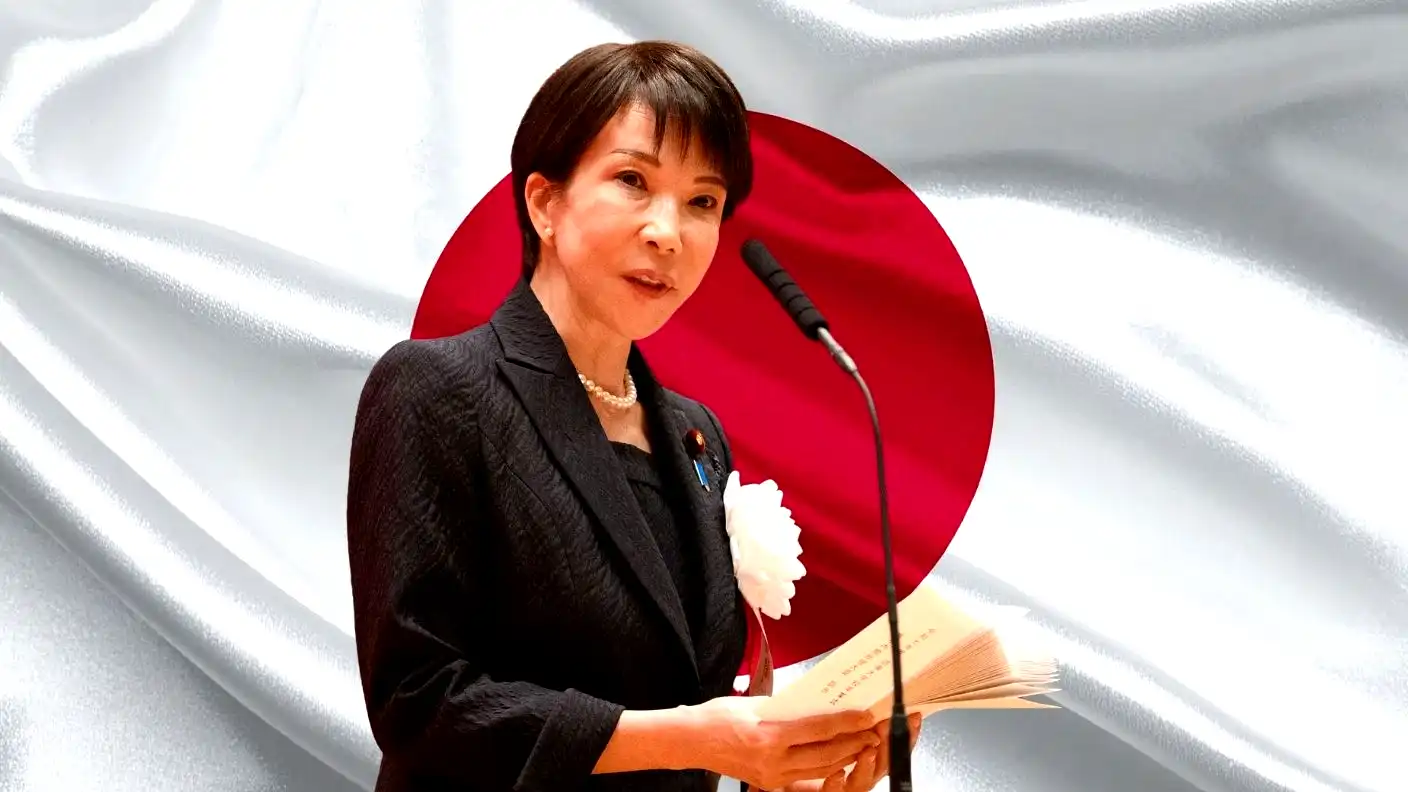
Key Points:
- Japanese Prime Minister Takaichi Sanae traveled to Vietnam to launch a massive $10 billion energy and resource partnership.
- The two nations plan to use a state-backed insurance system to guarantee crude oil purchases for Vietnamese processing facilities.
- Japan wants to secure a reliable supply of oil-based medical products from Vietnam to support its own healthcare system.
- Takaichi will deliver a university speech highlighting regional security and the 10th anniversary of the Free and Open Indo-Pacific strategy.
Japanese Prime Minister Takaichi Sanae arrived in Vietnam on Friday to kick off a major diplomatic mission. She brought a massive new financial framework worth $10 billion to help strengthen energy supply chains across Asia. This stop marks the first leg of a busy five-day international tour that will eventually take her to Australia. The Japanese leader plans to meet directly with Vietnamese Prime Minister Le Minh Hung on Saturday to finalize the details of this new economic alliance.
The two leaders will spend the weekend discussing exactly how Vietnam can improve its daily crude oil procurement. They will organize these new energy strategies under a brand new Japanese initiative called POWERR Asia. This acronym stands for the Partnership on Wide Energy and Resources Resilience Asia. Through this massive $10 billion financial package, Japan hopes to insulate its closest regional allies from sudden energy shocks and unpredictable global market swings.
To make this plan work, Japan plans to introduce a specialized financial mechanism. A Japanese government-affiliated insurance entity will step forward to provide strict guarantees for crude oil purchases. When Vietnam buys crude oil on the international market, this Japanese insurance will back the transaction. The raw oil will then travel directly to factories and refineries located inside Vietnam for processing. By removing the financial risk of these massive purchases, Japan makes it much easier and cheaper for Vietnam to secure the fuel it desperately needs.
This partnership offers clear benefits for both nations. Japan specifically designed the plan to ensure a stable, uninterrupted supply of oil-derived medical products. Modern healthcare relies heavily on petroleum products to manufacture essential items such as sterile plastic syringes, intravenous fluid bags, and secure medication packaging. By helping Vietnam process more crude oil locally, Japan ensures that Vietnamese factories can continue producing these vital medical supplies and ship them directly to Japanese hospitals.
Beyond the healthcare sector, the $10 billion framework serves a massive corporate interest. Hundreds of Japanese businesses currently operate large manufacturing plants across Vietnam. These companies build everything from consumer electronics to automobile parts. They rely entirely on a steady flow of local energy and raw materials to keep their assembly lines moving. When Japan helps secure Vietnam’s crude oil supply, it directly protects the supply chains and profit margins of its own corporate giants operating overseas.
After completing her political meetings, Prime Minister Takaichi will visit a local Vietnamese university. She plans to stand before the students and faculty to deliver a major foreign policy speech. During this address, she will emphasize Japan’s strong commitment to contributing money and resources to regional peace. She wants to show the younger generation that Japan stands as a reliable partner in a highly unpredictable world.
Her university speech will cover a wide range of important geopolitical topics. Takaichi will detail new plans for security cooperation between the two nations. She will also explain how protecting international supply chains prevents economic disasters. Her primary focus, however, will center on the concept of a free and open Indo-Pacific region. Former Japanese Prime Minister Abe Shinzo first proposed this exact diplomatic strategy exactly 10 years ago, and Takaichi wants to prove that his vision remains alive and relevant today.
The free and open Indo-Pacific strategy relies on keeping ocean trade routes safe and free from hostile military control. Japan depends heavily on these shipping lanes to import food, energy, and raw materials. Vietnam shares these same concerns, as its entire export economy relies on open access to the Pacific Ocean. By working together, the two countries can push back against regional threats and keep their cargo ships moving safely.
Following her time in Vietnam, Takaichi will pack her bags and head to Australia for the next phase of her diplomatic tour. She will carry this same message of energy resilience and security cooperation to lawmakers in Canberra. As global tensions continue to rise, Japan clearly wants to use its vast financial resources to build a stronger, more connected network of allies across Asia and the Pacific.