

Key Points:
- The United States exported more than 250 million barrels of crude oil in just nine weeks to replace missing supplies from the Middle East.
- The ongoing closure of the Strait of Hormuz caused global Brent crude prices to jump roughly 50% to $126 a barrel.
- Domestic oil stockpiles dropped by 52 million barrels over the last month, causing gas prices to jump over $4.40 a gallon.
- Asian nations like Japan and South Korea, which usually rely heavily on the Middle East, are buying massive amounts of American oil.
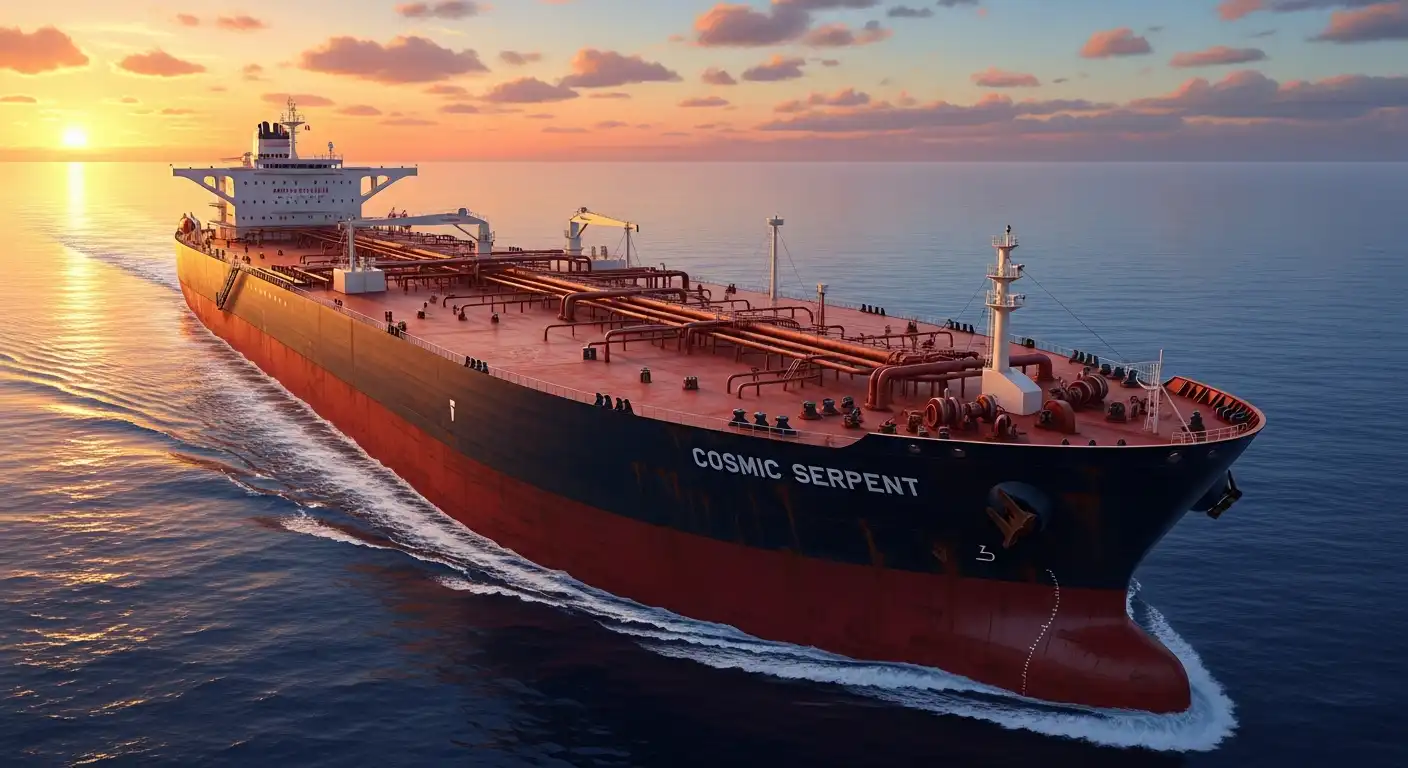
Empty oil tankers are rushing to the United States from all over the world. These massive ships fill their tanks in Alaska and along the Gulf Coast before sailing across the ocean to desperate buyers in Japan, Thailand, and Australia. Over the past nine weeks alone, the United States exported more than 250 million barrels of crude oil. This historic surge officially makes America the number one oil exporter on the planet, finally overtaking Saudi Arabia. The United States currently serves as a vital lifeline for global energy consumers as the near-closure of the Strait of Hormuz chokes off traditional Middle Eastern supplies.
However, this massive export boom comes with a serious warning label. Energy experts believe this giant supply cushion is stretching dangerously thin. They wonder how much longer the United States can actually sustain shipping out so much oil. Right now, domestic oil stockpiles are shrinking fast. Total fuel reserves dropped for four straight weeks, falling far below normal historical averages. Meanwhile, American oil producers struggle to pump enough new oil out of the ground to replace what the tankers carry away.
Clayton Seigle, a senior fellow at the Center for Strategic and International Studies, explained the dangerous math. He stated that while ships continue to take American oil, the supply-and-demand balance will tighten significantly. He warned that the country is essentially digging itself into a hole by spending down its emergency reserves so quickly.
The global consequences of this shortage are severe. Even with a steady stream of American exports crossing the ocean, the world still does not have enough oil to replace the loss of Middle Eastern supply. The price of Brent crude, which serves as the key global benchmark, has jumped roughly 50% since the war in Iran started. Last week, the price topped $126 a barrel, marking its highest point since 2022. If American shipments reach their maximum capacity soon, countries will fight even harder to buy whatever oil remains on the open market.
Inside the United States, this energy inflation creates a massive political headache right before the November midterm elections. Retail gas prices are soaring, and angry voters will soon start asking why the government ships so much oil overseas while domestic prices skyrocket. President Donald Trump, however, constantly boasts about the surging export numbers. On Friday, he proudly told reporters that the sheer amount of oil and gas the country currently sells is unprecedented.
During the months following the 2022 Russian invasion of Ukraine, the average cost of regular gasoline in the United States peaked at just over $5 a gallon. Energy Secretary Chris Wright frequently points to that specific number to highlight that current fuel costs remain lower. However, drivers are feeling the pain right now, with average retail gas prices already topping $4.40 a gallon. As the busy summer driving season approaches, fuel demand will naturally increase, pushing prices even higher.
Much of the oil leaving American ports during the current Iran war travels straight to Asia. Until recently, Asian oil refiners relied almost entirely on the Persian Gulf for their daily supply. The war forced these countries to execute a massive pivot toward American crude. Japan provides a perfect example of this shift. Before the conflict began, Japan bought around 90% of its crude oil from the Middle East. Now, Japanese refiners scramble to buy American supply, purchasing at least 8 million barrels just days ago for June loading. Refiners in Singapore and South Korea also swung heavily toward buying American crude to keep their own economies running smoothly.
The transformation of the United States from a massive oil importer to the world’s top supplier is a fairly recent development. The shift started with the shale revolution in the early 2000s, when new drilling techniques in Texas and North Dakota unlocked massive underground oil reserves. In 2015, the government finally lifted an old ban that prohibited most oil exports. By 2019, the booming domestic production officially made the country a net exporter.
Analysts note that this newfound energy dominance allows the United States to take very bold foreign policy steps. Just this year, the country ousted the leader of Venezuela, enforced strict sanctions on massive Russian oil companies, and started the war in Iran alongside Israel. In previous decades, presidents worried constantly about fuel shortages before taking military action. Today, President Trump feels emboldened by the massive domestic oil industry and worries far less about running out of fuel than his predecessors did.
Despite the bravado, the limits of American energy dominance are starting to show. Domestic oil production actually dropped by about 100,000 barrels a day since the war began. Drillers hesitate to invest in new wells, even with prices high, because they cannot predict what will happen next. Major oil companies like Exxon Mobil and Chevron also face severe disruptions in the Middle East. Chevron CEO Mike Wirth warned on Friday that the global energy system is currently operating under extreme stress.
As exports hit record levels, traders say the actual physical shipping infrastructure is reaching its practical limits. While experts often cite a theoretical export capacity of 10 million barrels a day, realistic daily limits are closer to 6 million barrels due to a shortage of available vessels and the cost of offshore loading operations. With domestic reserves dropping by 52 million barrels over the last four weeks alone, some traders quietly bet that the Trump administration might panic and eventually enforce an export ban if gas prices hit $6 a gallon, despite current promises to keep the ports open.






