Key Points:
- Nvidia saw its market share in China plummet from over 90% down to absolute zero due to trade restrictions.
- Chief Executive Officer Jensen Huang warned that current export bans force China to build its own competing computer chips.
- The chipmaker made $19.67 billion in China last year but expects zero revenue there for the first quarter.
- Nvidia secured an American license to sell the H200 chip, but import rules still block actual sales to Chinese buyers.
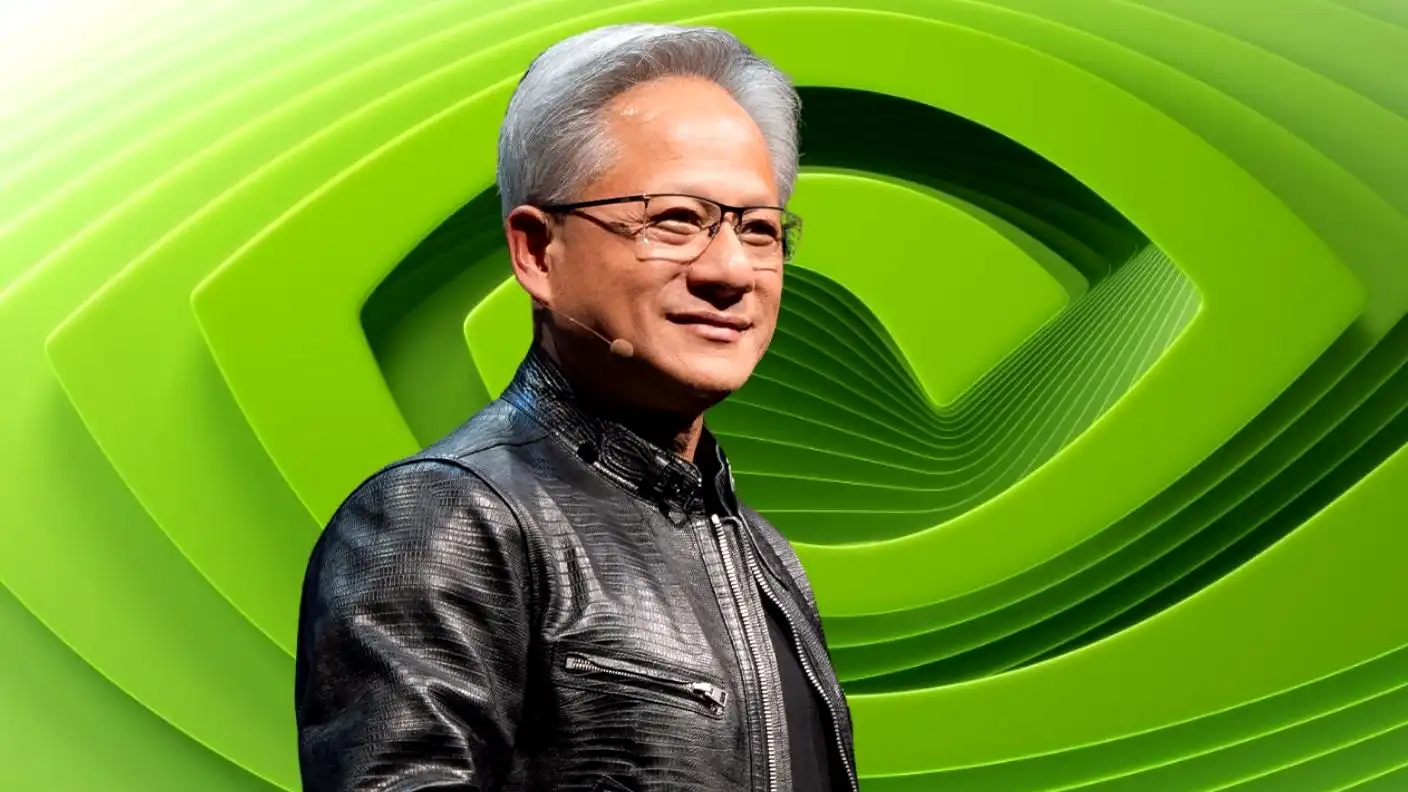
Nvidia Chief Executive Officer Jensen Huang just delivered a shocking update on the company’s global standing. He announced that Nvidia completely lost its lucrative market share in China, with sales dropping to zero. Huang shared this blunt reality during an April 30 interview on a podcast called Memos to the President, which the Special Competitive Studies Project produces. His comments highlight the severe financial damage caused by ongoing international trade disputes.
The sudden collapse marks a massive shift for the American technology giant. Huang noted that Nvidia previously controlled more than 90% of the global market for artificial intelligence processors. Now, he admits the company holds exactly zero percent of the Chinese market. This total freeze wipes out a massive revenue stream for the chip designer. Just last fiscal year, Nvidia pulled in an impressive $19.67 billion from buyers in China and Hong Kong. Looking ahead, the company expects to make absolutely nothing from the region during the first quarter.
Strict trade policies from the United States government caused this massive drop. Lawmakers constantly change their minds about letting American companies like Nvidia and AMD sell their advanced hardware overseas. Recently, officials prohibited these tech giants from selling their most powerful computer chips to Chinese buyers. President Donald Trump stepped in and said he would let Nvidia ship certain approved versions of its new H200 chip to China. However, Commerce Secretary Howard Lutnick confirmed that the company has not shipped a single unit there yet.
Lawmakers who support the strict export bans focus heavily on national security concerns. These political skeptics worry that Chinese companies will buy American technology and hand it straight to their military leaders. They fear the Chinese military will use the high-powered processors to develop and run dangerous artificial intelligence software. They argue that selling these advanced chips ultimately puts the United States at a direct military disadvantage in the future.
Huang and his industry supporters argue the exact opposite point. They firmly believe the United States stays safer when foreign countries rely entirely on American technology to run their systems. When the government cuts off the chip supply, it forces Chinese technology companies to design and build their own processors. Opponents of the ban say this isolation strategy actually creates strong, independent rivals who no longer need American businesses at all.
During his podcast interview, Huang spoke clearly about the long-term economic damage of these strict bans. He argued that handing over a massive market like China makes zero strategic sense for an American business trying to maintain global dominance. He bluntly stated that the government policy had already backfired on the United States. While he acknowledged that the initial ban might have made sense at the very beginning, he believes trade policies must remain dynamic and adapt to the times.
Nvidia currently finds itself stuck in a frustrating legal limbo regarding its newest hardware. The United States government actually granted Nvidia a formal license back in February to export the H200 chip to China. Despite securing the proper American paperwork, the company still cannot sell the physical product. Nvidia executives admit they do not know if the Chinese government will ever grant them the required import license to bring the chips across the border. So far, the company has generated zero revenue from the H200 in that specific market.
The company recently warned its shareholders about this severe financial threat. Nvidia filed its official 10-K financial report for the 2026 fiscal year, painting a very grim picture of the situation. The executives wrote that strict trade rules effectively prevented the company from competing in the Chinese data center market. They explained that losing access to China creates a massive ripple effect that damages their business worldwide.
When Nvidia left the country, its global competitors quickly rushed in to fill the space. Chinese technology companies started buying computer chips from local startups instead. As these rival chipmakers sell more products, they build massive networks of developers and wealthy customers. Nvidia warned that these growing ecosystems will eventually challenge American technology dominance worldwide. The forced exit gave foreign competitors the exact financial boost they needed to catch up with American engineering.
The financial filing ended with a stark warning for the future of the artificial intelligence industry. Nvidia stated that it must find a way to return to China with a product that satisfies both the United States government and Chinese regulatory officials. If the company fails to clear that major hurdle, lost sales and the growing strength of foreign competitors will seriously undermine its overall business model. The executives confirmed that this ongoing trade war will negatively impact their financial condition and operating results for a very long time.