Key Points:
- The Dutch road regulator approved Tesla’s autonomous software, but other European countries express serious safety doubts.
- Northern European officials worry that the system speeds up, struggles on icy roads, and carries a misleading brand name.
- Tesla needs approval from 55% of European Union member states and 65% of the population.
- After European sales dropped 27% in 2025, Tesla desperately needs this software approval to boost its profits.
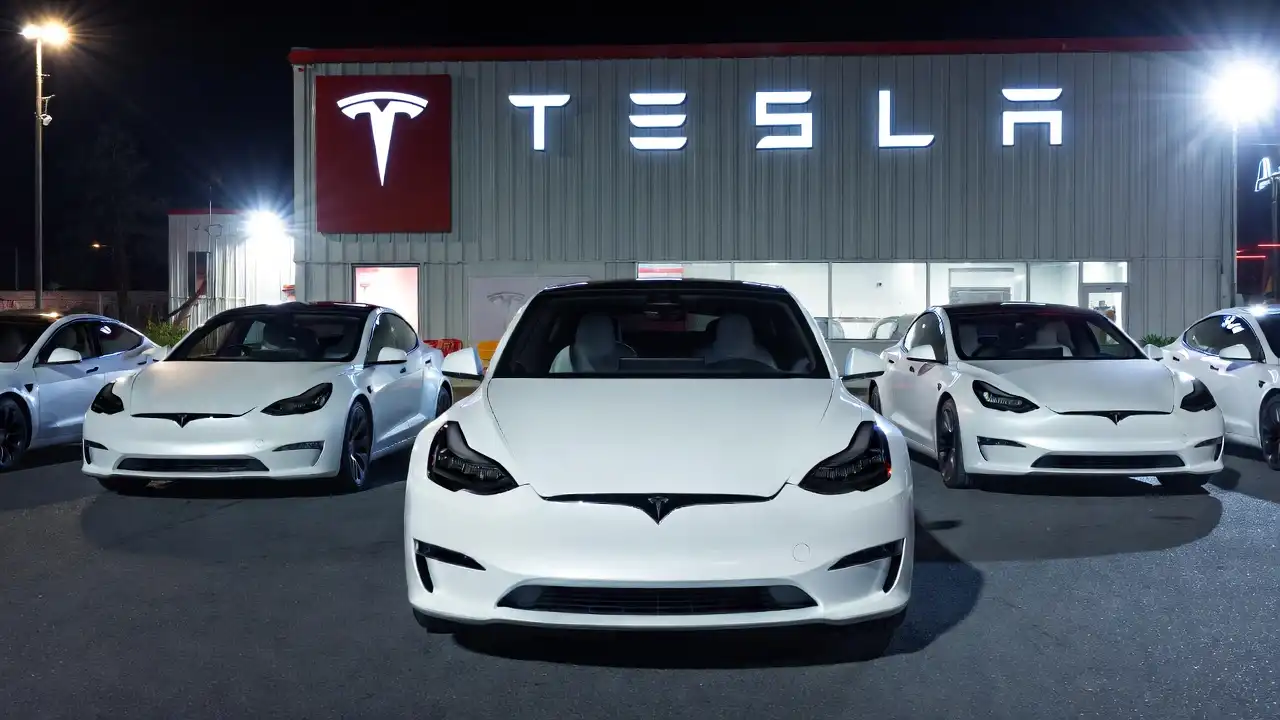
Tesla Chief Executive Officer Elon Musk tells investors that European regulators will soon approve the company’s Full Self-Driving system. However, private emails reveal that government officials across Europe strongly doubt the technology and its safety claims. While the Dutch road regulator RDW approved the software in April, leaders in Sweden, Finland, Denmark, and Norway remain deeply skeptical.
The electric vehicle maker desperately needs this approval. Tesla lost significant market share in Europe recently, with sales dropping 27% in 2025 following protests over Musk’s political activities. The company charges customers a monthly subscription for the Full Self-Driving software. If regulators approve the system, the additional subscription revenue could boost Tesla’s profits and help the automaker fend off fierce competition from Chinese brands.
Dutch officials plan to face a key European Union committee on Tuesday. They will explain why they approved the Tesla system and urge other member countries to do the same. To win European Union approval, Tesla must secure “yes” votes from committee members representing 55% of the member states and 65% of the total population. The committee will not vote this week, but members expect to hold official votes in July and October.
Reporters obtained private email records that expose exactly what worries European regulators. Swedish Transport Agency investigator Hans Nordin wrote an email on April 15 expressing surprise that Tesla allows the system to exceed speed limits. Nordin stated clearly that regulators should not permit this speeding feature under any circumstances.
Winter weather presents another major roadblock. In January, Finnish transportation official Jukka Juhola emailed his colleagues to question how the software handles snow and ice. Juhola asked if Tesla truly plans to introduce a hands-free driving system on icy roads where cars travel 80 kilometers per hour. Officials from Nordic countries also questioned how the car’s computers would react to a large moose standing in the middle of the road.
Regulators also worry about the product’s name. The software currently carries the brand name “Full Self-Driving (Supervised).” Nordin asked his peers if this title misleads consumers into thinking the car drives completely on its own without human help. Furthermore, officials expressed concern that drivers might easily bypass internal safety features designed to prevent them from using their cell phones while driving.
Tesla did not wait long to pressure other countries. Just 4 days after the Netherlands announced its approval on April 10, a Tesla policy manager started lobbying Swedish authorities. The company also contacted officials in Estonia and Finland, asking them to simply recognize the Dutch approval without doing their own independent review. Regulators from all three countries refused, stating they will thoroughly review the data at the Tuesday committee meeting before making any decisions.
Musk also mobilized his massive fan base to push the government. During a November shareholder meeting, Musk told the crowd that Tesla obviously needs European approval. He actively encouraged car owners to pressure their local regulators to speed up the slow government process.
Tesla drivers followed his orders and flooded government inboxes. One Norwegian owner wrote an email claiming that blocking the software would cause people to die in preventable car crashes—the massive wave of emails frustrated officials. Days after Musk’s speech, Norwegian Public Roads Administration official Stein-Helge Mundal complained that his staff would waste a lot of time answering misled consumers.
The fan campaign backfired enough that Tesla had to step in and apologize. Ivan Komusanac, who manages European Union policy for Tesla, wrote a formal apology to Mundal. Komusanac admitted that other regulators also complained about the spam, noting that such emails rarely help the actual approval process.
Despite the heavy criticism, the software did impress some officials. Frank Schack Rasmussen, a Danish regulator, wrote an October email praising the system. He noted that the cars performed very well in complex rush-hour traffic in Copenhagen. A Dutch regulator also shared a story about the car successfully navigating the chaotic streets around the Arc de Triomphe in Paris. Anders Eriksson, another Swedish investigator, added that his country generally supports automated driving technology as long as companies follow the law.
Tesla’s internal documents target a final European approval in either the second or third quarter of this year. Right now, the Dutch regulators refuse to release the actual testing data that led to their initial approval. Instead, RDW General Manager Bernd van Nieuwenhoven simply asked his European colleagues to trust that his team had tested the software extensively.