Key Points:
- The conflict in Iran disrupted the Strait of Hormuz, causing a massive shortage of the bunker fuel that powers cargo ships.
- Fuel prices in Singapore spiked from $500 to over $800 per metric tonne, costing the industry about €340 million every day.
- Cargo operators slowed their ships by roughly 2% to save gas while Asia turns to coal and Russian oil to survive the crunch.
- The crisis is pushing companies to order dual-fuel ships, with more than 890 vessels already using liquefied natural gas to bypass the shortage.
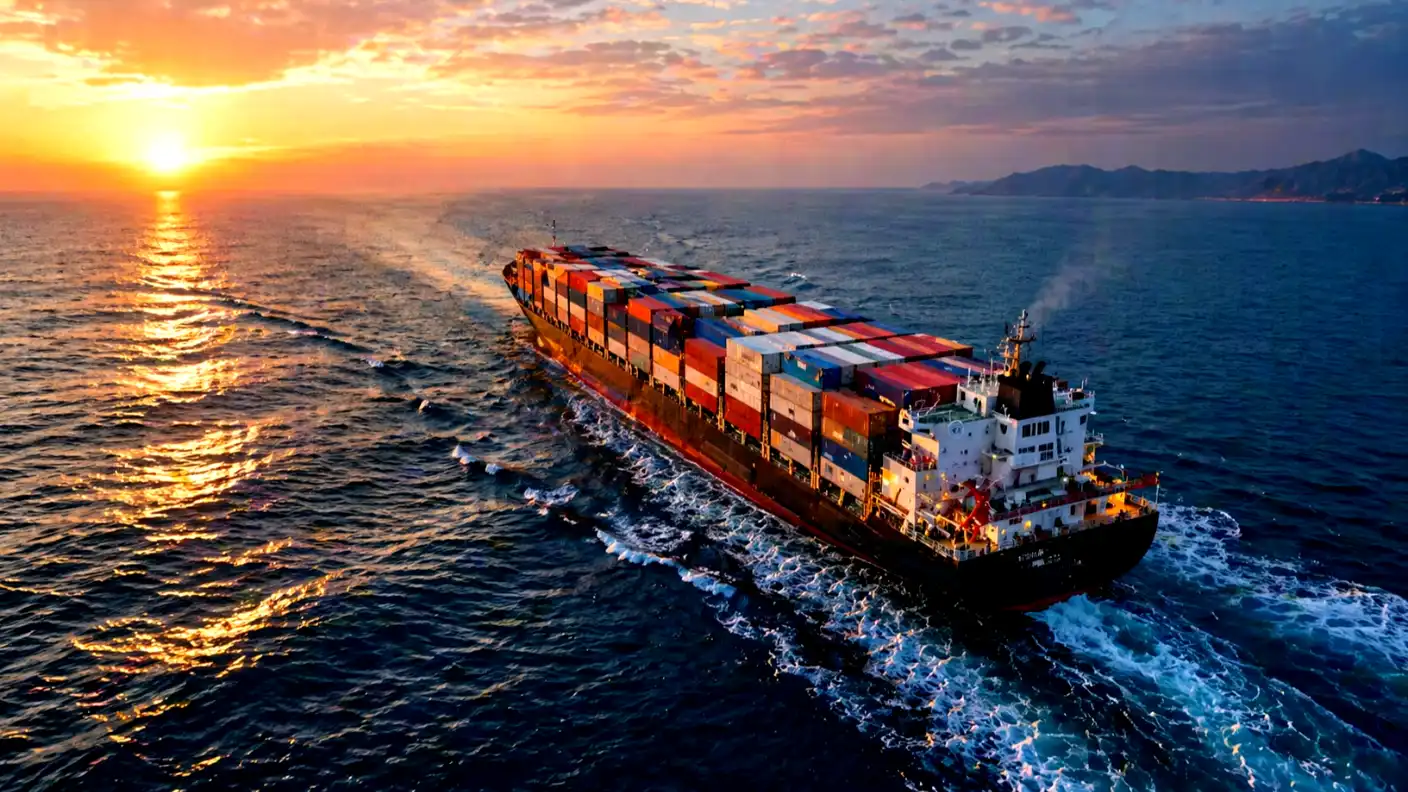
The war in Iran created a major crisis for global shipping companies. Fighting effectively closed the Strait of Hormuz, cutting off the main supply of bunker fuel. This heavy sludge powers the massive cargo ships that move products around the planet. Without a steady supply of this fuel, ship operators face empty tanks and skyrocketing bills.
Bunker fuel sits at the absolute bottom of the oil refining process. It looks thick and creates much more pollution than the gas people put in their cars. Despite the product’s dirty nature, the maritime industry desperately needs it. These fuel-burning ships transport about 80% of all goods traded by sea across the globe.
The shortage hit Asia first and hit the region incredibly hard. Countries in Southeast Asia rely heavily on oil from the Middle East. To cope with the sudden drop in energy, Asian governments began buying more coal and additional crude oil from Russia. Leaders also began dusting off old plans to build nuclear power plants to keep their electricity running.
United Nations data shows that more than half of all global seaborne trade passed through Asian ports in 2024. This massive volume means that any problem in Asian waters quickly becomes an international disaster. As energy reserves run dry and government support money disappears, the entire region prepares for a massive economic hit.
Singapore is the world’s largest marine refueling hub. So far, the island nation has managed to keep gas in its storage tanks, but the cost of buying it has skyrocketed. Before the conflict started, a metric ton of bunker fuel in Singapore cost around $500. By early May, desperate ship captains paid more than $800 for that same amount of fuel. Natalia Katona, an expert at the commodity site OilPrice, noted that the loss of heavy crude oil from Iraq and Kuwait will soon cause severe physical shortages, pushing prices even higher.
Shipping companies bleed cash every single day this war continues. The European Federation for Transport and Environment released data showing that the conflict costs the global shipping industry roughly €340 million per day. Right now, shipping companies pay the extra fuel costs out of their own pockets. However, oil analyst June Goh warned that these businesses will soon pass those massive costs on to regular shoppers.
When cargo ships pay more for gas, the price of everyday items goes up. Oliver Miloschewsky works at the risk consultancy firm Aon. He explained that fuel shortages force shipping prices higher almost instantly. This sudden jump in transport costs ripples across the entire supply chain. People living in Singapore already pay higher ticket prices for daily ferry rides and holiday cruises.
Ship captains only have a few ways to handle this massive fuel crisis. They can either pay the $800 fee, cancel their trips entirely, or drive their boats more slowly to burn less gas. Data from Clarksons Research shows that companies chose the slow route. Since the war officially started on Feb. 28, the average speed of bulk carriers and container ships dropped by exactly 2% worldwide.
The painful cost of dirty oil makes clean energy look much more attractive. Håkan Agnevall makes marine technology for Wartsila. He noted that the technology to build clean ship engines already exists, but the factories cannot build them fast enough. While green fuels usually cost more money, the $800 price of traditional bunker fuel suddenly makes these clean alternatives look like a smart financial deal.
Shipbuilders now rush to create vessels that can burn two different types of fuel. Angad Banga runs the Caravel Group, a massive company that currently oversees more than 120 new shipbuilding projects. Banga told reporters that his clients want flexibility. Because of the current war, buyers ordered about one-third of these new ships to run on both dirty bunker fuel and cleaner liquified natural gas.
Banga explained that ship owners gladly pay extra money to build these dual-fuel engines. When wars break out and natural gas disappears, having a backup fuel source saves the company millions of dollars. The global shipping fleet currently sails more than 890 ships powered by liquified natural gas. As the conflict in the Middle East drags on, that number will certainly grow in the coming years.