Key Points:
- European stock markets dropped significantly on Tuesday, with the German DAX falling 1.5% and the Stoxx 600 shedding 1%.
- President Donald Trump rejected a peace counteroffer from Iran, calling the current ceasefire fragile and on massive life support.
- The ongoing closure of the Strait of Hormuz pushed Brent crude oil prices up 2.0% to $106.30 a barrel.
- Rising energy costs spark fresh fears of high inflation and prompt central banks to consider hiking interest rates soon.
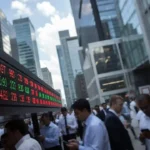
European stock markets took a noticeable hit on Tuesday as investors rushed to sell their shares. Traders dumped their holdings because they saw very few signs of a permanent peace deal between the United States and Iran. This ongoing geopolitical tension leaves the global economy highly uncertain. Without a clear path to peace, financial experts expect the markets to remain extremely volatile.
The stock selloff spread quickly across the entire European continent. The pan-European Stoxx 600 index, which tracks major companies across multiple countries, fell by exactly 1% by the end of the trading day. In Germany, the Dax index slid a sharper 1.5% as manufacturing stocks took heavy losses. The CAC 40 in France closed down almost 1%, while the FTSE 100 in the United Kingdom shed a modest 0.04% in a slightly more resilient showing.
Sharp comments from United States President Donald Trump heavily damaged investor sentiment right from the opening bell. On Monday, Trump spoke directly to reporters and painted a very grim picture of the ongoing peace negotiations. He explicitly stated that the fragile ceasefire between Washington and Tehran currently sits on massive life support. This blunt assessment terrified investors who hoped for a quick diplomatic resolution.
The diplomatic situation worsened significantly when Trump completely rejected a recent counteroffer from Iranian leaders. Washington previously sent a detailed proposal to end the fighting, and Tehran sent back its own modified terms. Trump publicly described the Iranian response as completely unacceptable. Later in the day, he went even further, calling the diplomatic proposal a piece of garbage, signaling a deep divide between the two nations.
Leaders in Tehran quickly defended their diplomatic position and pushed back against the harsh American rhetoric. Iranian officials stated that their counteroffer was both generous and highly responsible. Their proposal focused heavily on the logistics of reopening the Strait of Hormuz. They view this specific waterway as a critical bargaining chip in the ongoing negotiations.
The Strait of Hormuz serves as an absolute choke point for the global energy market. This narrow body of water sits right off the southern coast of Iran, connecting the Persian Gulf to the open ocean. The ongoing military conflict effectively shut down this vital shipping lane for several weeks. This extended closure severely limits global oil supply flows and fuels deep fears of a massive global energy crisis.
Financial analysts monitor this strategic waterway very closely because it controls so much of the world economy. Felix Vezina-Poirier works as the Chief Strategist at BCA Research. He wrote a detailed note to his clients explaining the current market anxiety. He stated that the Middle East returned to the major news headlines over the weekend. He also warned investors that any normalization of commercial shipping through the Strait of Hormuz now looks severely delayed.
Because massive cargo ships cannot safely pass through the strait, global oil prices resumed their aggressive march higher. Brent crude futures serve as the main global benchmark for oil pricing. During Tuesday trading, Brent crude jumped another 2.0% to reach a painful $106.30 a barrel. This current price sits far above the standard pre-war levels, which hovered around a comfortable $70 a barrel just a few short months ago.
Expensive oil triggers a massive chain reaction of rising costs across the global economy. When energy costs spike, factories pay more money to build their products, and shipping companies pay much more to transport those goods across the ocean. These businesses then pass those extra fuel costs directly to everyday shoppers at the local grocery store. This dynamic fuels major concerns about a sudden and stubborn surge in consumer inflation.
Rising consumer inflation puts heavy pressure on global central banks to take immediate action. To stop everyday prices from climbing out of control, financial institutions usually respond by raising corporate borrowing costs. Market experts now firmly expect central banks in Europe and the United States to react to this specific energy crisis by hiking interest rates in the very near future.
High interest rates make government bonds look much more attractive to regular investors. On Tuesday, European government bond yields increased significantly across the board. Because bond yields usually move in the exact opposite direction of bond prices, this sudden jump exerted added downward pressure on European stock markets. Investors simply prefer the guaranteed safety of government debt over risky corporate stocks when global peace seems so incredibly far away.