

Key Points:
- European stock indexes dropped early Friday, with the pan-European Stoxx 600 falling 0.76%.
- United Kingdom Prime Minister Keir Starmer faces a new internal leadership threat from Andy Burnham.
- President Donald Trump ended his Beijing visit, securing trade deals and planning a September meeting with Xi Jinping.
- Corporate giants like Stellantis committed over $1.2 billion to Chinese production while Volkswagen rejected German plant closures.
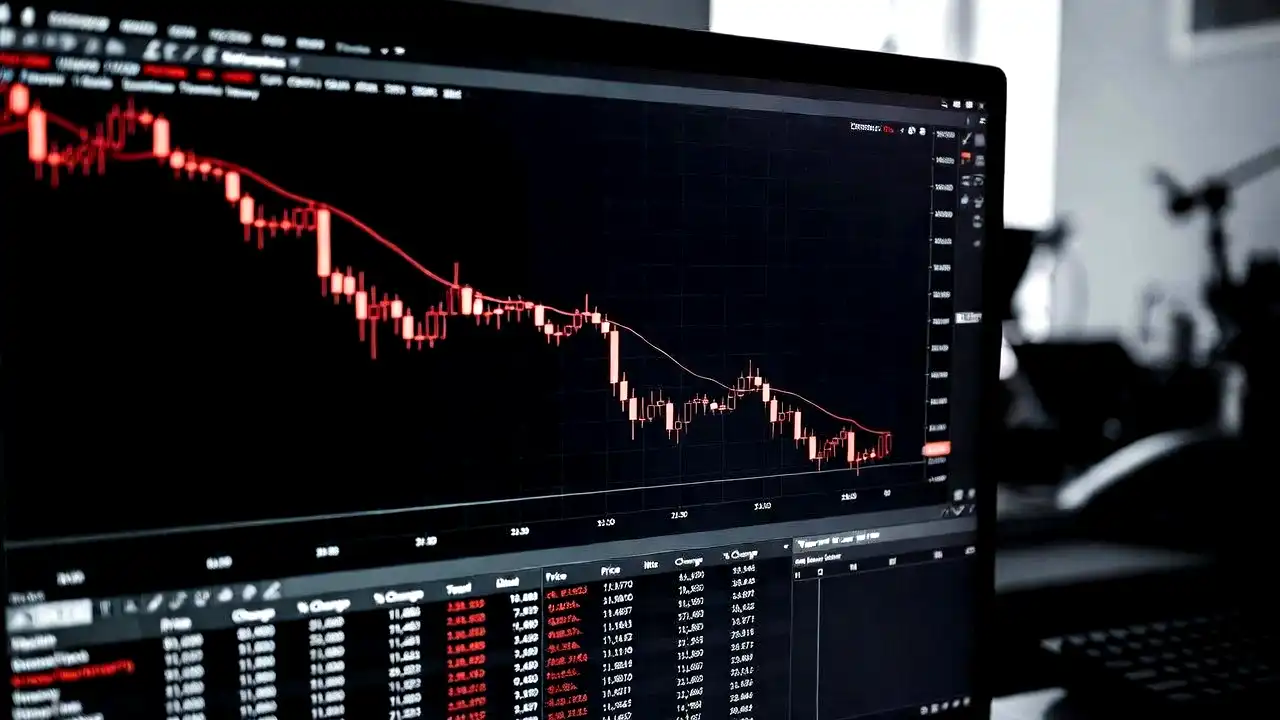
European financial markets opened firmly in the red on Friday morning. Investors reacted poorly to sudden political turbulence brewing inside the United Kingdom and the ongoing threat of a wider conflict involving Iran. The pan-European Stoxx 600 index fell 0.76% to 611.38 as trading began. Major regional markets mirrored this downward trend. In Germany, the DAX dropped 1.04% to 24,201.86, while the CAC 40 in France slid 0.88% to 8,010.83. Over in London, the FTSE 100 fell 0.94% to 10,275.63 by the early morning hours.
The political drama in the United Kingdom heavily influenced the sour market mood. Prime Minister Keir Starmer suddenly confronts a serious internal threat to his leadership. A sitting Labour Member of Parliament unexpectedly stepped aside, leaving a sudden parliamentary vacancy. This open seat creates a direct path for Greater Manchester Mayor Andy Burnham to contest a by-election and enter the House of Commons. Political insiders widely view Burnham as a strong, left-leaning alternative to Starmer. However, a strong performance from the populist Reform UK party could complicate his route back to national politics.
While British politics caused local anxiety, international diplomacy offered a slightly different picture. United States President Donald Trump concluded his highly anticipated two-day state visit to Beijing. He boarded Air Force One on Friday morning after a grand ceremonial send-off. Trump spoke enthusiastically about the trip, calling the overall visit incredible. He told reporters he secured fantastic trade deals and made real progress regarding the tense situation with Iran.
During their meetings, Trump and Chinese President Xi Jinping agreed that the Strait of Hormuz must remain open to global shipping. The Ministry of Foreign Affairs in China echoed this positive tone. Chinese officials stated that the two global leaders reached a series of new common understandings. They also agreed on a brand new vision to build a constructive and strategically stable relationship between the two nations. To keep this momentum going, Trump confirmed that Xi will visit the United States around September 24.
Despite the diplomatic progress in Beijing, the threat of military conflict in the Middle East continues to shake the energy markets. Global oil prices climbed significantly this week. Brent crude finished the week up nearly 6%. This price jump happened right after President Trump warned the public that he would not stay patient with Iran much longer. Energy traders fear that any sudden military escalation could restrict oil supplies and send fuel prices soaring.
The strong dollar and shifting economic expectations caused trouble for precious metals. Gold retreated for a fourth consecutive trading session on Friday. The price of bullion dropped roughly 2% over the course of the week. Investors sold off their gold holdings as they lost hope that the Federal Reserve would cut interest rates in the near future. A stronger dollar makes gold more expensive for foreign buyers, which quickly drives the market price down.
In the corporate sector, major European automakers made heavy strategic moves to survive the tough global economy. Labour leaders at Volkswagen drew a hard line in the sand. They firmly reassured their workers that the company will enact absolutely no plant closures within Germany. Instead of firing local workers, the union representatives remain open to entering into new defense contracts and partnerships with Chinese companies to address their current production overcapacity.
Meanwhile, rival automaker Stellantis aggressively expanded its footprint in Asia. The company signed a major new agreement with Dongfeng to produce vehicles in China jointly. Starting in 2027, the two companies will build Jeep and Peugeot vehicles for the local Chinese market. They plan to back this joint venture with a total investment exceeding $1.2 billion. This massive spending spree shows that major car brands still view the Chinese consumer market as vital to their long-term survival.
The financial sector delivered some positive news to offset the manufacturing struggles. Italian financial group Unipol posted excellent results for the first quarter of the year. The company reported a 15.4% rise in its net profit, reaching €329 million. Executives credited their core insurance business for driving this impressive financial growth.
Investors now face a highly complex landscape as they close out the trading week. Traders must balance the promising diplomatic breakthroughs between the United States and China against the looming threat of an energy crisis in the Middle East. At the same time, a shift in leadership in the United Kingdom guarantees that European markets will experience even more volatility in the days ahead.






