Key Points:
- Greece generates 45 percent of its electricity from renewable sources, but must curtail excess power because of low demand.
- Solar energy producers expect their income to drop by 40 percent in 2026 due to near-zero wholesale prices.
- The European Commission launched a major review of 4 pressure points causing high household energy bills across Europe.
- Greece plans to install 900 megawatts of new battery storage capacity by the first quarter of 2027 to save excess energy.
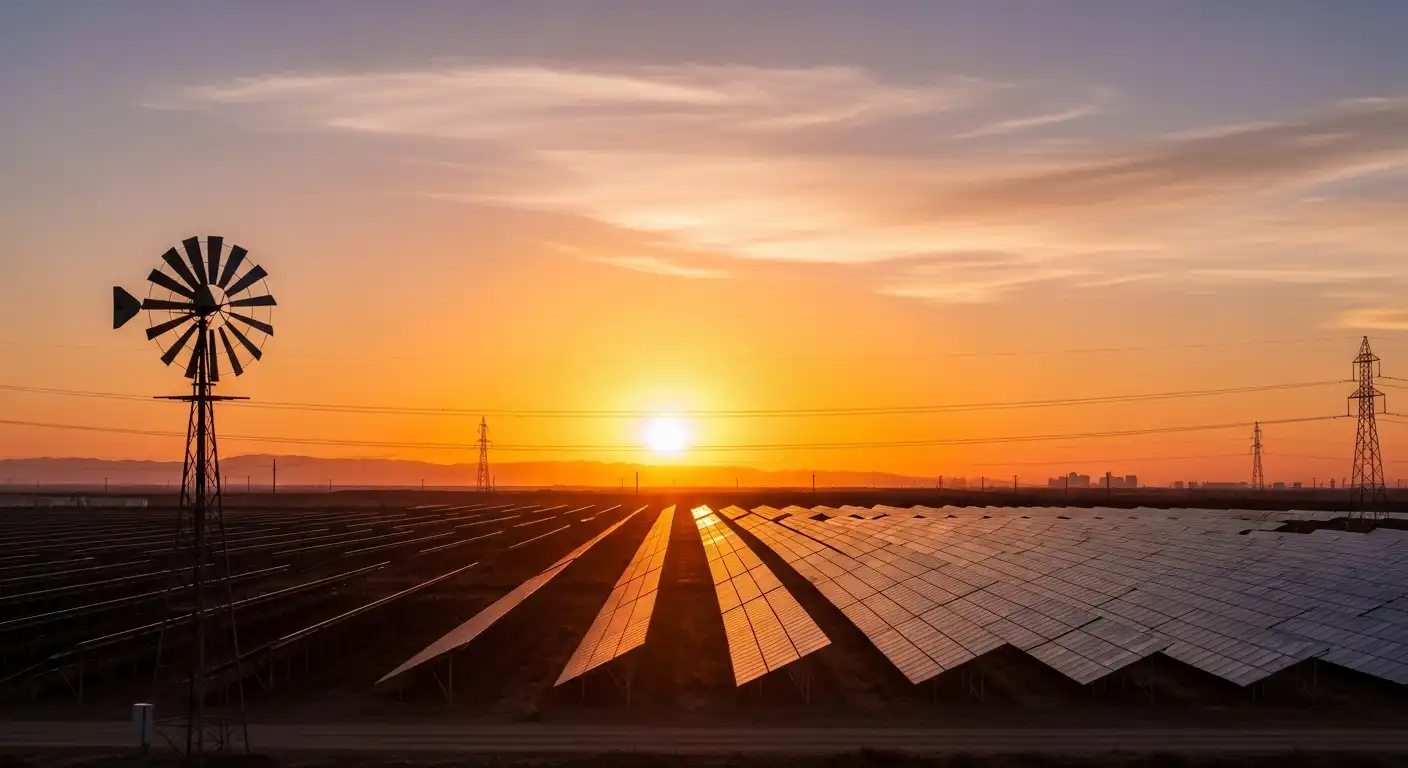
Solar energy producers in Greece issued a shocking demand this week. They want the government to halt all new renewable energy projects immediately. For years, the country spent billions of dollars importing expensive oil and gas to keep the lights on. Becoming a true energy exporter felt like a distant, impossible dream. However, a massive boom in green energy completely flipped the script. Today, Greece faces a bizarre new problem. The country generates way too much solar power and has absolutely nowhere to put it.
Currently, Greece pulls about 45 percent of its daily electricity directly from renewable sources. The country produces so much power that it actually exports roughly 20 percent of its electricity to Italy and several neighboring Balkan nations. Despite this massive success, the green energy momentum hit a hard ceiling this year. Renewable capacity now far outstrips the actual domestic demand. Grid operators must curtail, or throw away, significant amounts of clean power every single day simply because there are not enough buyers available.
Even the export market cannot absorb the extra electricity. Neighboring countries aggressively built their own solar farms and now produce their own cheap green energy. Stelios Loumakis, president of the Association of Photovoltaic Energy Producers, spoke directly about the crisis during the Energy Transition Summit in Athens on May 13 and 14. He delivered a blunt message to the gathered industry leaders, demanding they stop further expansion because the grid already holds too much power.
Loumakis warned that the financial math no longer works for power companies. He predicted that solar producers will see their total income plummet by about 40 percent in 2026 compared to last year. This massive financial hit comes directly from severe demand constraints and wholesale prices that frequently drop to near-zero levels during sunny afternoons. He acknowledged that renewable energy offers stability and low prices for consumers, but he insisted the industry cannot push beyond what the current technology can handle.
This massive disconnect frustrates regular citizens. Across Europe, the wholesale price of renewable electricity falls steadily every month, yet everyday household utility bills refuse to go down. This strange situation forces many producers to question the long-term survival of their business models. The core problem comes down to exactly how governments structure their electricity markets.
Maja Turkovic, the executive vice president at renewable energy developer CWP Europe, explained the confusing math at the summit. She noted that prices across most European energy markets follow a rule called marginal pricing. Under this rule, the absolute last and most expensive unit of energy needed to meet grid demand sets the price for everyone else. Often, that final unit comes from an expensive natural gas plant. Because natural gas remains very expensive, especially after the recent closure of the Strait of Hormuz, consumer bills stay painfully high even while solar panels generate almost free electricity.
Leathat, in Brussels, hears the growing public anger. The European Commission recently launched a massive review to figure out why energy bills remain so expensive. Regulators currently examine 4 specific pressure points within the system. They look closely at the wholesale cost of electricity, network infrastructure charges, local taxes, and regulated capacity mechanisms. Cristina Lobillo, Director for Energy Security and International Relations at the Commission, admitted the green transition creates serious unexpected problems. She stated that the main issue right now is affordability, especially in vulnerable regions such as Southeast Europe.
Engineers believe massive battery facilities offer the only real solution to the curtailment problem. If power companies can capture the surplus solar and wind power during the day and store it, they can release that cheap energy when the sun goes down and generation dips. This simple process gives consumers access to cheap electricity around the clock and prevents the grid from wasting clean power.
Greece aggressively pursues this storage solution. The government expects massive battery storage units with a combined capacity of 900 megawatts to become fully operational by the first quarter of 2027. The cost of building these huge batteries fell sharply over the last few years, allowing companies to unlock a pipeline of new storage projects. However, market experts caution that grid-scale battery technology still needs time to mature fully.
Alexandros Flamos, an energy systems professor at the University of Piraeus, fully supports the battery push. He explained that accelerating the rollout of storage facilities will directly increase the availability of cheap renewable energy on the national grid. Ultimately, he believes these batteries will drastically reduce the final costs for the end consumer.
Greek Prime Minister Kyriakos Mitsotakis attended the summit to defend his energy record. He proudly pointed out the massive progress his government had achieved over the last few years. In 2019, Greece had the highest wholesale electricity prices in the European Union. Today, the national average sits below the broader European average. The Prime also noted that Greece succeeded in cutting its carbon dioxide emissions by nearly 50 percent compared to levels measured back in 2005.
Mitsotakis promised the crowd that relief would arrive eventually. He stated that prices will continue to fall as the country adds more balanced renewables to the energy mix and as natural gas hopefully becomes cheaper. At the same time, the Prime Minister left the door open for the government to provide further financial support measures to help struggling households survive the current high cost of living.