Key Points:
- A federal jury ruled against Elon Musk in his lawsuit against OpenAI, deciding he filed the case too late.
- Musk originally invested $38 million in OpenAI but accused the company of abandoning its nonprofit mission for profit.
- The 11-day trial featured intense debates over credibility, with OpenAI lawyers arguing Musk was simply jealous of their financial success.
- OpenAI is now preparing for a potential IPO that could value the artificial intelligence company at $1 trillion.
A federal jury in Oakland, California, ruled against Elon Musk on Monday in his high-profile lawsuit against OpenAI. The jury decided that the artificial intelligence company and its leaders are not liable to the billionaire for allegedly abandoning their original mission to benefit humanity. Jurors deliberated for less than 2 hours before reaching their unanimous verdict, concluding that Musk simply waited too long to bring his claims to court.
The swift decision marked a major victory for OpenAI, Chief Executive Officer Sam Altman, and President Greg Brockman. Following the verdict, the legal team representing Musk stated they reserved the right to appeal the decision. However, U.S. District Judge Yvonne Gonzalez Rogers warned that an appeal would face tough odds. She noted that the statute of limitations running out is a clear factual issue. She told the courtroom that substantial evidence supported the jury’s finding, which is exactly why she felt ready to dismiss the case right away.
Musk launched his lawsuit earlier in 2024. He accused Altman and Brockman of manipulating him into donating $38 million to the company during its early days. According to Musk, the founders then went behind his back to create a for-profit business alongside the original nonprofit structure. He heavily criticized them for accepting tens of billions of dollars from Microsoft and other major investors. During the trial, Musk bluntly described the actions of the OpenAI defendants as stealing from a charity.
The history between Musk and OpenAI goes back to 2015, when he, Altman, and several other tech leaders founded the organization. Musk eventually left the board of directors in 2018. Just one year later, in 2019, OpenAI established its for-profit division. OpenAI strongly denied Musk’s allegations throughout the trial. They argued that Musk actually wanted to control the financial gains himself. They also insisted that he missed his window to sue over the founding agreement. William Savitt, a lawyer representing OpenAI, told the jury during closing arguments that Musk might have the Midas touch in certain industries. Still, he does not have it in the field of artificial intelligence.
The trial lasted for 11 days and featured aggressive attacks from both sides. Lawyers repeatedly targeted the credibility of both Musk and Altman. Steven Molo, the lawyer representing Musk, used his closing argument to remind the jury about several witnesses who questioned whether Altman told the truth. Molo pointed out that Altman failed to give a direct “yes” when asked whether people could completely trust him. Molo told the jury that the credibility of the CEO was the central issue of the case, arguing that the defendants could not win if the jury did not believe Altman.
Microsoft also played a major role in the trial. Musk accused the tech giant of aiding and abetting OpenAI’s actions. An executive from Microsoft testified that the company spent more than $100 billion on its partnership with OpenAI. Following the jury’s swift decision, a Microsoft spokesperson released a statement expressing relief. The company stated that the facts and timeline had always remained clear, and they welcomed the jury’s decision to dismiss the late claims.
This lawsuit drew significant attention because it highlighted the growing debates over the future of artificial intelligence. People use this technology today for many different reasons, including education, journalism, financial advice, legal research, medical diagnoses, and facial recognition. At the same time, bad actors use the technology to create harmful deep-fakes. Many citizens express deep distrust toward artificial intelligence. They worry that these new systems will eventually take away jobs and disrupt human lives.
During the trial, both sides accused each other of pursuing money rather than serving the public good. Musk claimed OpenAI wanted to enrich insiders and investors at the expense of the nonprofit while ignoring crucial safety standards. He also argued that Microsoft knew OpenAI cared more about profit than altruism from the very beginning.
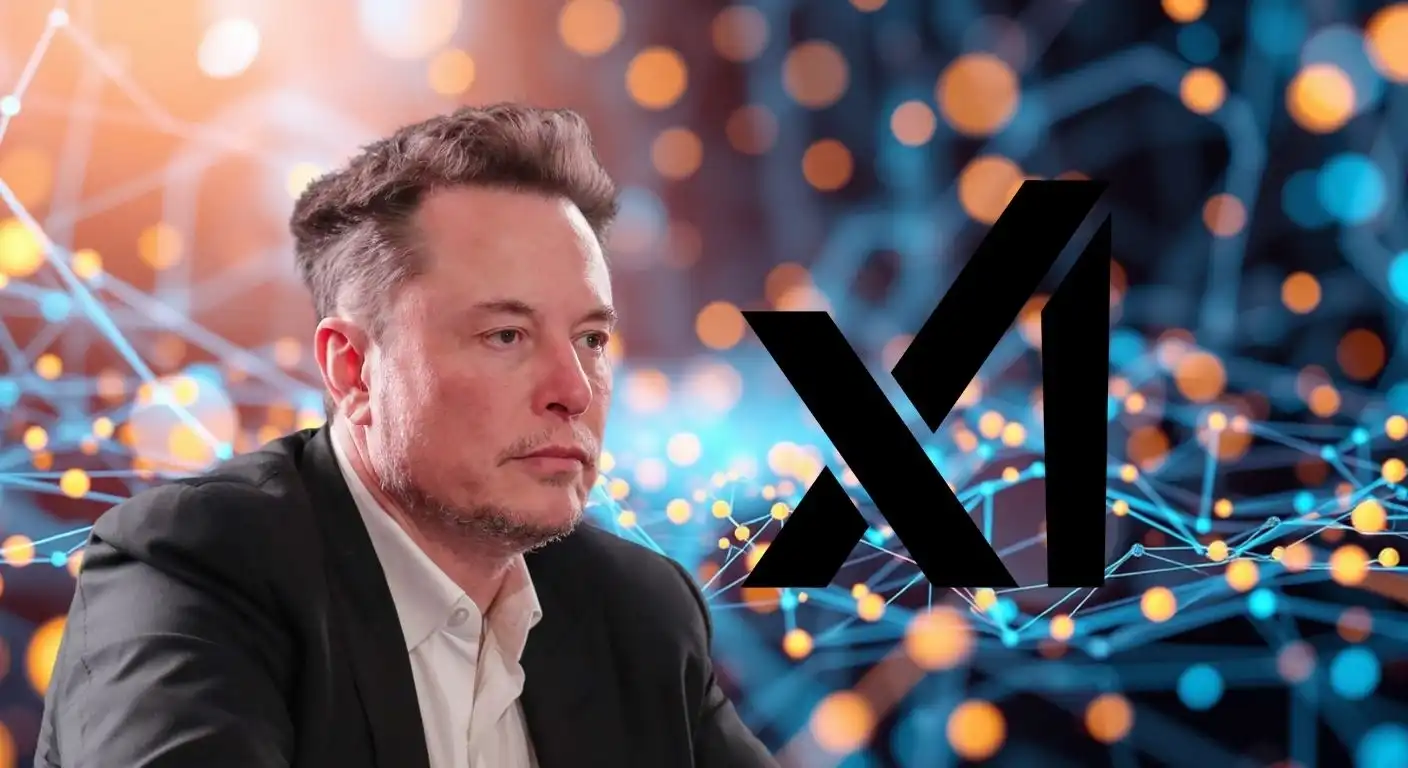
OpenAI continues to move forward despite the legal drama. The company currently competes with other major artificial intelligence developers, such as Anthropic and Musk’s xAI. OpenAI is now actively preparing for a possible initial public offering. Financial experts believe this upcoming IPO could value the business at $1 trillion.
Meanwhile, Musk continues to build his own artificial intelligence empire. He recently integrated his startup xAI into his massive space and rocket company, SpaceX. Just like OpenAI, SpaceX is also preparing for an upcoming IPO. Market watchers suggest that the SpaceX public offering could exceed the size of OpenAI’s massive valuation, setting the stage for even more competition among the tech giants.