Key Points:
- Samsung Electro-Mechanics secured a 1.5 trillion-won contract to supply essential hardware to a major American technology firm.
- The South Korean manufacturer will ship advanced silicon capacitors continuously from January 2027 through December 2028.
- Technology companies desperately need these tiny components to build powerful artificial intelligence servers and graphics processors.
- Samsung engineered these new silicon parts to consume less power and resist heat better than older ceramic models.
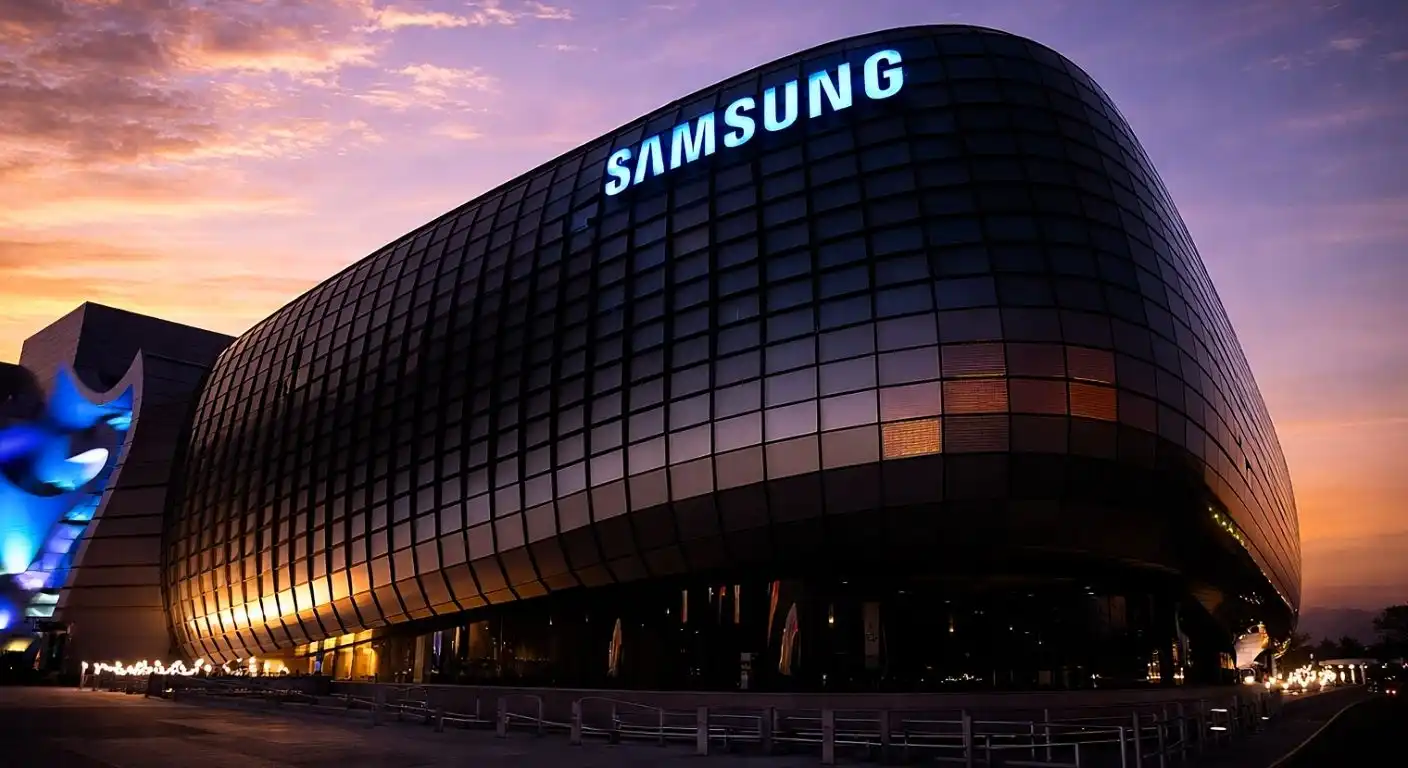
Samsung Electro-Mechanics secured a massive business contract on Wednesday. The electronic components affiliate of Samsung Electronics signed a 1.5 trillion-won agreement, which equals roughly $992.9 million in United States currency. Through this massive deal, Samsung will supply advanced silicon capacitors to a major technology corporation based in the United States. The company chose to keep the American buyer’s exact name a secret for now.
Factory workers will begin shipping these critical computer components in January 2027. The massive delivery schedule will run continuously until December 2028. This two-year supply window guarantees steady revenue for the South Korean manufacturer. It also ensures that the unnamed American tech giant has a highly reliable pipeline of essential hardware for building its next-generation computers and data centers.
Silicon capacitors play an incredibly critical role in modern electronics. These tiny parts regulate the flow of electricity inside complex computer chips. They act like tiny digital dams, storing electrical energy and releasing it perfectly so the processor does not fail or crash. As technology companies build faster and hotter chips, they desperately need better capacitors to keep their expensive hardware running smoothly.
For many years, electronics manufacturers relied heavily on multilayer ceramic capacitors. These older ceramic models worked perfectly fine for basic consumer electronics like televisions, radios, and older cell phones. However, the modern technology industry now demands much more raw power and efficiency. Samsung engineered its new silicon capacitors to replace these older ceramic versions in high-end devices completely.
The new silicon parts offer incredible upgrades over the older ceramic technology. First, engineers build them significantly smaller, which saves highly valuable space on the crowded circuit board. Second, they consume much less electricity, extending battery life for portable devices and reducing massive energy costs for giant server farms. Finally, the silicon material offers superior heat resistance and provides computer engineers with incredibly precise control over electrical flow.
This high heat resistance makes silicon capacitors ideal for the booming artificial intelligence industry. Technology companies currently race to build massive artificial intelligence servers. These giant computers use high-performance graphics processing units and high-bandwidth memory chips. These advanced processors generate massive amounts of heat and require perfectly stable electrical currents to solve complex math equations without overheating.
While the American buyer remains anonymous, the current industry context provides strong clues. Only a few major technology companies in the United States possess the massive budget required to sign a nearly $1 billion hardware contract. Companies like Apple, Nvidia, Google, and Microsoft constantly hunt for top-tier components to fuel their artificial intelligence ambitions. Securing this specific client gives Samsung a massive victory in the highly competitive global hardware market.
Samsung Electro-Mechanics holds very aggressive plans for its future. The company explicitly stated its goal to strengthen its overall presence in the high-performance computing market. By locking in this major American client, Samsung proves its technology can handle the absolute most demanding digital tasks on the planet. Company executives want to use this current momentum to attract even more global partners.
The manufacturer also looks far beyond just server farms and desktop computers. Automotive companies need these same silicon capacitors to build safe autonomous driving systems. Self-driving cars process millions of data points every single second and need flawless electrical components to prevent deadly highway crashes. Smartphone makers also want these tiny silicon parts to make mobile devices faster, thinner, and more reliable.
By expanding its reach into artificial intelligence, self-driving cars, and premium mobile devices, Samsung builds a highly resilient business model. The company refuses to rely on just one industry for its daily profits. This $992.9 million contract simply marks the first major step in a much larger global strategy to dominate the internal components market.
Global supply chains currently face massive pressure as the artificial intelligence boom drains hardware inventories worldwide. By securing a guaranteed supply of silicon capacitors for 2027 and 2028, the unnamed American buyer protects its own future production lines. This level of forward thinking completely prevents costly factory delays down the road.
As the modern world becomes increasingly digital, the global demand for high-quality internal components will only skyrocket. Samsung Electro-Mechanics now positions itself as a premier supplier for the next decade of technological advancement. The company clearly shows that building the smallest parts often leads to the biggest financial rewards.