Key Points:
- China and the United States plan to cut tariffs on $30 billion worth of goods from each side.
- Both nations will apply most-favored-nation rates or lower to these selected products.
- Officials expect this move to stabilize bilateral trade and boost global economic confidence.
- Trade teams from both countries will meet soon to finalize the specific details.
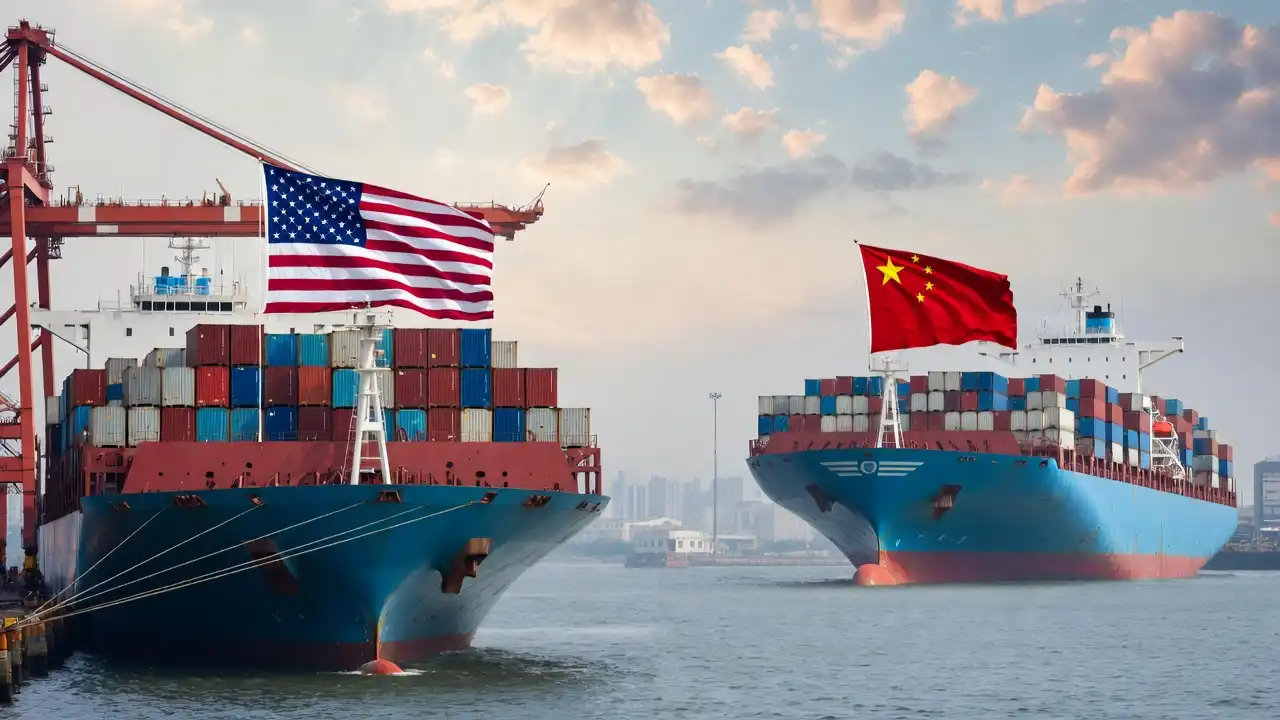
China and the United States took a massive step toward easing long-standing trade tensions on Wednesday. China’s Ministry of Commerce announced that the two global economic powerhouses had agreed in principle to discuss a reciprocal tariff-reduction framework. This brand-new arrangement targets products worth at least $30 billion on each side. The initial agreement signals a highly positive shift after years of heavy tariffs and complex trade disputes that strained global markets.
Under the guidance of the joint trade council, officials from Washington and Beijing will review specific product categories to include in the deal. A ministry official explained that the selected goods will receive most-favored-nation tariff rates. In several instances, the final rates might drop even lower than the standard baseline. This upcoming change means businesses importing these selected goods will pay far fewer border taxes, directly lowering their daily operational costs.
The $30 billion figure represents a vital volume of international trade. While the two countries exchange roughly $600 billion to $700 billion in goods every single year, targeting this specific $30 billion chunk shows a practical, measured approach to diplomacy. Instead of trying to resolve every single trade issue in a single massive deal, the two sides chose a substantial yet manageable baseline. This strategy allows both governments to test the waters of cooperation without overcommitting early in the process.
Lower tariffs bring immediate and noticeable benefits to the real economy. When companies save money on import duties, they can pass those savings on and lower prices for everyday consumers. Retailers, manufacturers, and farmers in both the United States and China stand to gain incredible value from this policy shift. For example, saving just 5% or 10% on a $1 billion shipment of raw materials frees up massive capital. Cheaper raw materials and finished goods help businesses grow, expand their facilities, and hire more workers.
The ripple effects of this agreement will naturally stretch far beyond American and Chinese borders. The ministry official pointed out that this deal will serve as a highly useful reference for global open cooperation. When the world’s two largest economies decide to lower trade barriers, other nations usually take notice and feel encouraged to pursue similar open-market policies. The agreement sends a strong, clear signal to the rest of the world that cooperation remains highly possible, even between fierce geopolitical competitors.
For many years, unpredictable tariffs created massive headaches for international supply chains. Companies struggled to plan their budgets for the future because they never knew when a new 15% or 25% tax might be imposed on their cargo ships. This preliminary agreement actively aims to stabilize and expand bilateral trade between the two nations. By locking in most-favored-nation rates for these $30 billion worth of products, Washington and Beijing provide much-needed certainty and peace of mind to global investors.
The hard work of choosing exactly which products make the final cut starts right now. The economic and trade teams from both sides plan to maintain extremely close communication over the coming weeks and months. They need to work out the specific arrangements, carefully matching up products of equivalent scale to ensure fairness. The official emphasized that both teams will push hard for implementation as soon as possible, ensuring businesses do not have to wait long for financial relief.
Market observers and financial experts will closely watch to see which specific industries benefit most from this $30 billion framework. Agriculture, advanced technology, and everyday consumer electronics usually feature heavily in these high-level discussions. If this initial $30 billion arrangement succeeds and boosts trade by even 2% or 3%, it could easily pave the way for much larger tariff reductions in the near future. For now, the global business community breathes a deep sigh of relief as the United States and China choose productive dialogue over economic conflict.
Industry leaders have already started reacting to the news with cautious optimism. Many corporate executives spent the last five years redesigning their supply chains to avoid steep import taxes. If the two governments successfully remove tariffs on $30 billion in goods, some companies might quickly shift their purchasing back to their original suppliers. This level of flexibility helps stabilize the market and gives buyers more choices when sourcing parts and products.
Ultimately, the success of this reciprocal tariff reduction framework relies entirely on execution. The trade teams face the difficult task of balancing domestic political pressures with the desire for a fair economic deal. However, the initial announcement alone brings a fresh wave of positive energy to the global trading system. As both nations sit down at the negotiating table, they have a clear opportunity to rewrite the rules of their economic relationship and build a more stable financial future for everyone.