
Key Points:
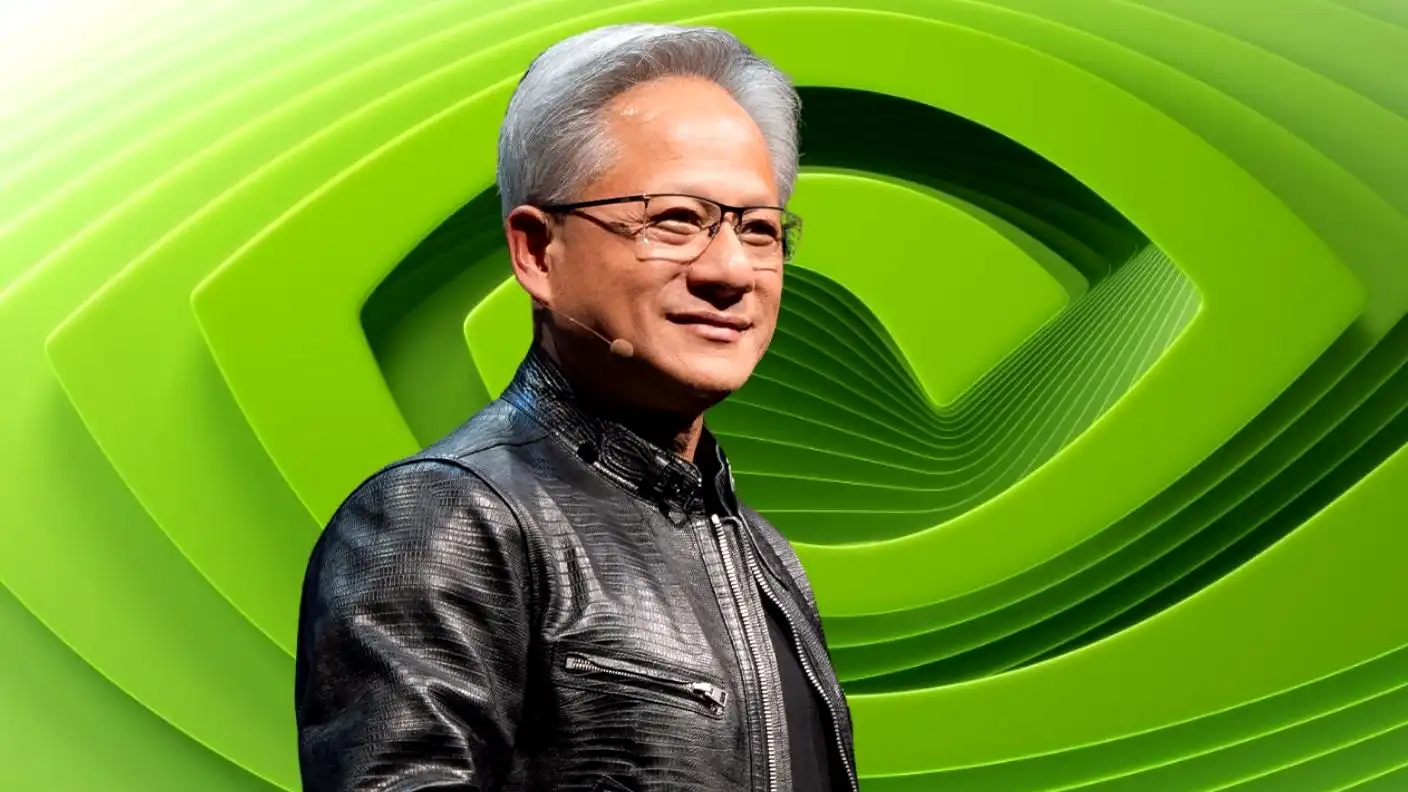
- Nvidia CEO Jensen Huang will arrive in Seoul on Friday for a four-day visit to expand alliances in artificial intelligence and robotics.
- Huang will host a casual dinner with the heads of SK Group, Hyundai, LG, and Naver to discuss high-bandwidth memory and autonomous systems.
- The itinerary includes meetings with gaming pioneers NC Corp and Krafton to explore partnerships for premium Windows laptops and physical AI.
- A closed-door meeting with local AI and robotics startups marks the first time the chip chief will consult directly with the country’s robotics sector.
A highly anticipated corporate summit is taking shape in East Asia as the world’s leading semiconductor executive prepares to land in Seoul. On Friday, June 5, 2026, Nvidia Chief Executive Officer Jensen Huang will arrive at Gimpo International Airport aboard his private jet to kick off a critical four-day visit to South Korea. Fresh off his high-profile appearance at the Computex trade show in Taipei, Huang plans to hold a series of high-stakes meetings with top conglomerate heads, gaming executives, startup founders, and academic researchers. The visit signals a massive push by Nvidia to secure the cutting-edge hardware and manufacturing partnerships necessary to power the next phase of the global artificial intelligence boom.
The crown jewel of the trip will occur on Friday evening when Huang hosts a casual dinner in Seoul with the elite leaders of South Korea’s industrial landscape. The guest list includes SK Group Chairman Chey Tae-won, Hyundai Motor Group Executive Chair Euisun Chung, LG Group Chairman Koo Kwang-mo, and Naver Chairman Lee Hae-jin. These four conglomerates represent the foundational pillars of the country’s technology, automotive, and digital ecosystems. Industry insiders expect the dinner conversation to focus heavily on high-bandwidth memory (HBM) supply chains, next-generation AI data centers, autonomous driving systems, and the emerging field of physical AI.
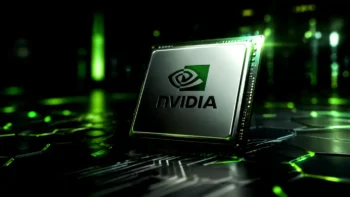
The timing of these discussions is highly critical for Nvidia’s global manufacturing pipeline. With the global market for artificial intelligence hardware projected to expand rapidly, securing a steady supply of high-bandwidth memory remains Nvidia’s single most pressing operational bottleneck. South Korea’s SK Hynix and Samsung Electronics manufacture nearly 90 percent of the world’s premium HBM3e and HBM4 chips, which are essential for cooling and powering Nvidia’s advanced graphics processors. By strengthening personal ties with SK Group’s Chairman, Huang aims to secure a massive supply allocation, potentially amounting to multi-billion-dollar contracts.
The participation of Hyundai and LG highlights Nvidia’s growing interest in autonomous vehicles and physical robotics. Hyundai Motor Group, which owns world-class robotics pioneer Boston Dynamics, has steadily integrated advanced machine learning into its self-driving car platforms and robotic assembly lines. Meanwhile, LG Group recently committed nearly $1 billion to acquire 10,000 Nvidia Blackwell GPUs to train its proprietary AI models and simulate humanoid robots. During Friday’s dinner, the executives will likely discuss how to integrate Nvidia’s powerful digital brains with South Korea’s world-class physical manufacturing capabilities.
This informal dinner strategy has previously yielded highly successful results for the chip billionaire. During his last visit to South Korea in October, which coincided with the Asia-Pacific Economic Cooperation (APEC) CEO Summit in Gyeongju, Huang drew widespread public attention when he joined Samsung Electronics Chairman Lee Jae-yong and Hyundai’s Euisun Chung for a late-night meal of Korean fried chicken and beer. These relaxed, face-to-face gatherings allow the global tech leaders to bypass standard corporate bureaucracy and establish the personal trust required to execute complex, long-term technological alliances.
Over the weekend, Huang will shift his focus to South Korea’s highly lucrative gaming and interactive entertainment sectors. On Sunday, the Nvidia chief plans to meet with Kim Taek-jin, the chief executive of legendary online gaming publisher NC Corp. Although both companies have kept the exact meeting agenda confidential, discussions will undoubtedly center on integrating generative AI tools directly into game design engines. By utilizing Nvidia’s local processing software, game developers can create highly responsive virtual environments and automated non-playable characters that react naturally to human players.
Huang’s weekend schedule also includes a key meeting with Chang Byung-gyu, the executive director of Krafton, the blockbuster studio behind the global hit PlayerUnknown’s Battlegrounds. The two tech leaders plan to discuss hardware partnerships related to Nvidia’s RTX Spark, a highly efficient semiconductor designed specifically to run premium AI tasks on thin Windows laptops. Additionally, the conversation will cover physical AI opportunities, especially since Krafton launched an independent robotics division, Ludo Robotics, earlier this year, aiming to combine gaming software with physical machinery.
On Monday, Huang will host a closed-door roundtable discussion in Seoul with the founders of leading South Korean artificial intelligence and robotics startups. This meeting represents the very first time the Nvidia chief has held a dedicated consultation with the country’s emerging robotics sector. South Korea’s domestic robotics market is growing by roughly 15% annually, driven by intense labor shortages and a rapidly aging workforce. By directly engaging with local startup founders, Nvidia hopes to identify promising early-stage companies and integrate its Jetson robotics chipsets into their experimental designs.
To round out his packed four-day itinerary, Nvidia executives are coordinating plans for Huang to visit the prestigious AI institute and robotics research center at Seoul National University. Huang has also expressed a strong personal interest in speaking directly with local engineering students to understand their research goals and career aspirations. By building strong ties with academic institutions, Nvidia is securing its future talent pipeline, ensuring that the next generation of software developers and hardware engineers remains trained on Nvidia’s proprietary CUDA programming language.
In the end, Jensen Huang’s highly anticipated visit to Seoul underscores South Korea’s central role in the global technology supply chain. While Silicon Valley remains the undisputed home of software innovation, the physical implementation of artificial intelligence requires the advanced memory chips, electric vehicles, and industrial robots that South Korean companies build best. As Nvidia continues to expand its high-performance computing empire, this four-day diplomatic blitz will likely cement the cross-border industrial alliances that will define the next decade of physical and digital technology.